


Five years after her groundbreaking debut, CTRL, SZA returns with SOS, a sprawling, 23-track opus that delves deep into heartbreak, self-discovery, and the jagged path of healing. Genre-bending and unflinchingly personal, the album is a masterclass in emotional storytelling, seamlessly weaving elements of R&B, pop, alternative, and even hip-hop into an intricate sonic tapestry.
SZA—born Solána Rowe—has solidified herself as one of modern R&B’s most relatable storytellers. From the side-chick confessions of The Weekend to the fragile self-doubt explored in the raw acoustics of Supermodel, she has a rare ability to turn life’s messiest moments into melodic gems. And while CTRL captured the zeitgeist of mid-2010s R&B, SOS showcases her evolution, both as an artist and a woman.
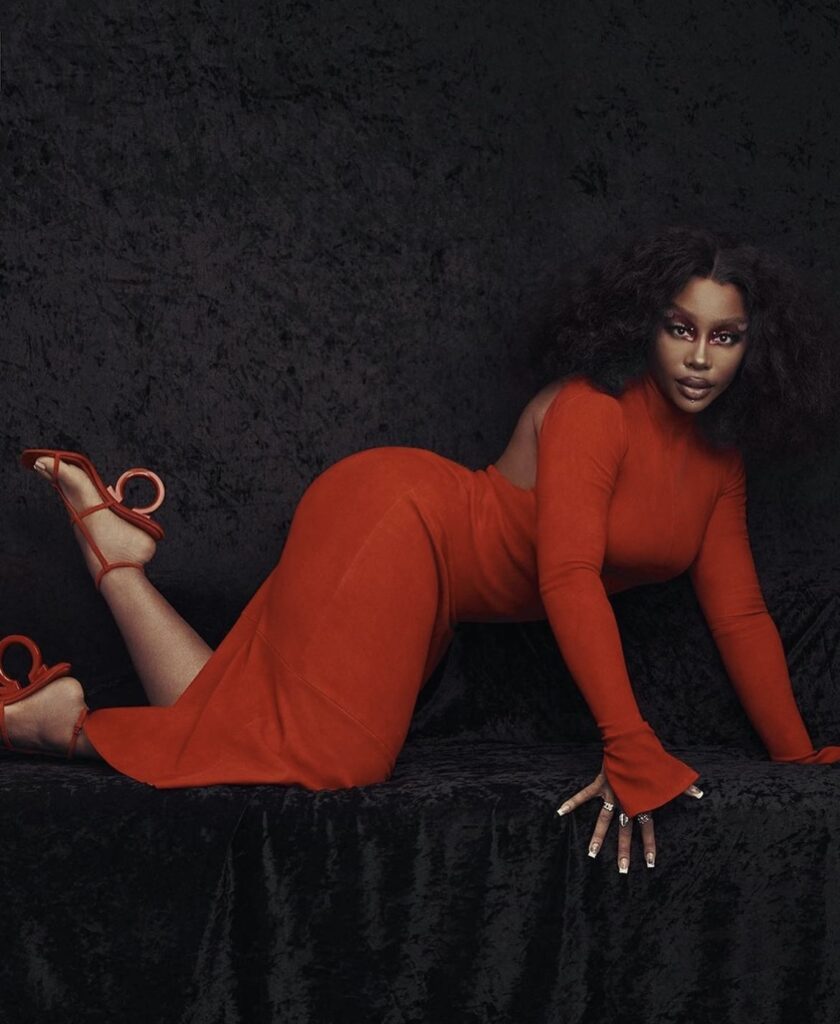
The album’s title track opens with braggadocio that’s almost startling coming from an artist once defined by vulnerability. On SOS, SZA wields her rap-sung cadence with razor-sharp precision, boasting, “Ain’t no writers, it’s just me,” over thumping drums and minimalist keys. It’s a declaration of independence and a shot at her critics, setting the tone for an album that oscillates between defiance and introspection. This newfound confidence carries into Conceited, a swaggering track driven by a punchy bassline, where she sings, “I just got my body done, ain’t got no guilt about it.” These moments of self-assurance feel like a shedding of old skin, a reclamation of her narrative.
Yet, even amid her declarations of self-empowerment, SZA isn’t afraid to confront her darker side. The standout Kill Bill is both chilling and tender, a morbid love song inspired by Quentin Tarantino’s cult classic. Against a backdrop of haunting strings and muted percussion, she fantasizes about killing her ex and his new partner, crooning, “I’d rather be in jail than alone.” The cinematic brilliance of the track lies in its ability to make such a violent premise feel heartbreakingly relatable. Similarly, on “Special,” SZA strips everything back to deliver a lo-fi lament drenched in self-loathing and regret, blaming an ex-lover for making her feel inadequate: “I wish I was special, I gave all my special away to a loser.”
The album’s genius lies in its duality. SZA balances her growth with glimpses of the insecurities that have long haunted her. On “Shirt,” she wrestles with lingering self-doubt, singing, “Still don’t know my worth, still stressing perfection,” over a hypnotic groove. Meanwhile, Blind finds her longing for self-approval even as she acknowledges her flaws in hushed, vulnerable tones, accompanied by subtle strings and delicate percussion.
Musically, SOS is a triumph. SZA and her collaborators experiment fearlessly, incorporating everything from stripped-down acoustic guitar to lush orchestration, trap beats, and even surf-rock-inspired riffs. Tracks like F2F veer into pop-punk territory, while songs like Snooze and Notice Me offer lush, layered arrangements reminiscent of 90s R&B. Her voice—sometimes whispery, sometimes soaring—acts as the connective tissue, imbuing each track with raw emotion and authenticity.
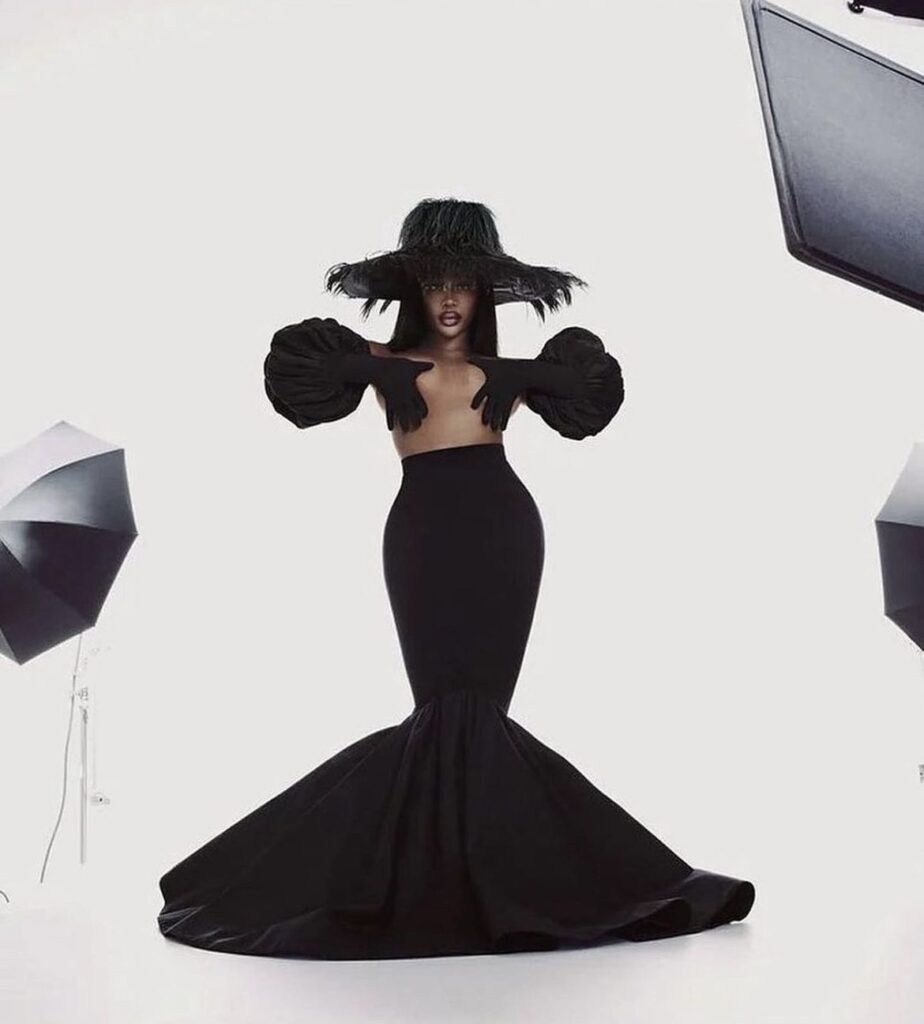
Even the album’s visuals speak to its themes of isolation and resilience. The SOS cover art, which depicts SZA perched on a diving board surrounded by endless ocean, was inspired by a famous photo of Princess Diana. SZA has said the image conveys loneliness, a fitting metaphor for the solitude that often accompanies growth.
Ultimately, SOS isn’t just a sequel to CTRL—it’s an evolution. With its fearless genre-hopping, brutally honest lyricism, and bold sonic experimentation, the album cements SZA as not just an artist but a cultural force. Through SOS, she chronicles the messiness of healing and the beauty of transformation, reminding us that growth is rarely linear—but it’s always worth the chaos.
Stream SOS by SZA.


