


Divinity has a knack for manifesting itself in a multitude of expressions. Be it the Father, mother, the holy spirit, the grounding path of ancestry, the alternative spiritual discourse of indigo children, star seeds, or wonder children. The language in which we engage with a higher source reflects the connectedness we feel in soulistic elevation. Born in Overport, Durban, and raised in the sacred flower of the greater Edendale area in Pietermaritzburg, Imbali’s star seed, Zoë Modiga, has sunk into sacred chants, hymns, and prayers, balancing both the sanctity of the divine masculine and feminine in her new album nomthandazo and placing particular focus on feminist spirituality.
In the liminal space between ancestry and futurism, Zoë Modiga’s nomthandazo emerges as a celestial hymnal for the digital age. The award-winning vocalist, performer and composer’s latest opus is a sprawling 18-track journey that defies easy categorisation, blending various elements of cosmopolitan spirituality with avant-garde soundscapes and deeply personal narrative.
Modiga crafts a world where the lines between the sacred and secular blur and familial history intertwines with cosmic questioning. It’s a work that feels intimately grounded in Modiga’s Zulu and Mpondo heritage and untethered from earthly constraints, floating in a self-created astral plane.
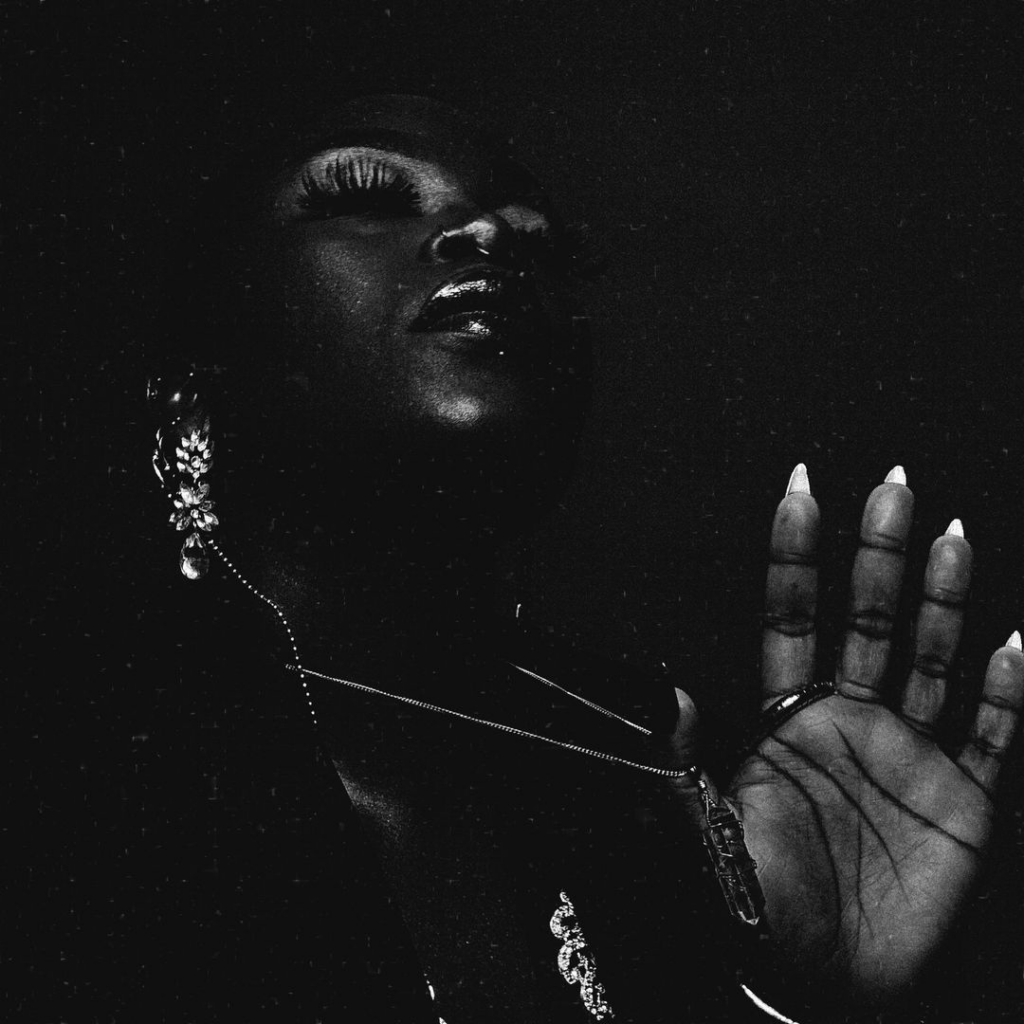
Zoe Modiga | SUPPLIED
The album arrives at a moment when global interest in African spirituality and indigenous knowledge systems is surging, yet Modiga resists the urge to position herself as a guru or guide. Instead, nomthandazo offers itself as a mirror, reflecting the listener’s own spiritual musings back at them through a prism of lush harmonies, skittering rhythms, and Modiga’s arresting vocals.
From the familial warmth of “siyabonga” to the existential pondering of “where do people go?”, Modiga traverses emotional and sonic terrains with a dexterity that belies the album’s weighty themes. It’s a work that demands – and rewards – profound, repeated listening, revealing new layers with each spin.
When I conversed with Modiga to dissect this ambitious project, one thing became clear: nomthandazo is a living, breathing artefact of an artist grappling with heritage, identity, and the very nature of existence itself. In doing so, Modiga has created something rare in contemporary music – a work that feels timeless.
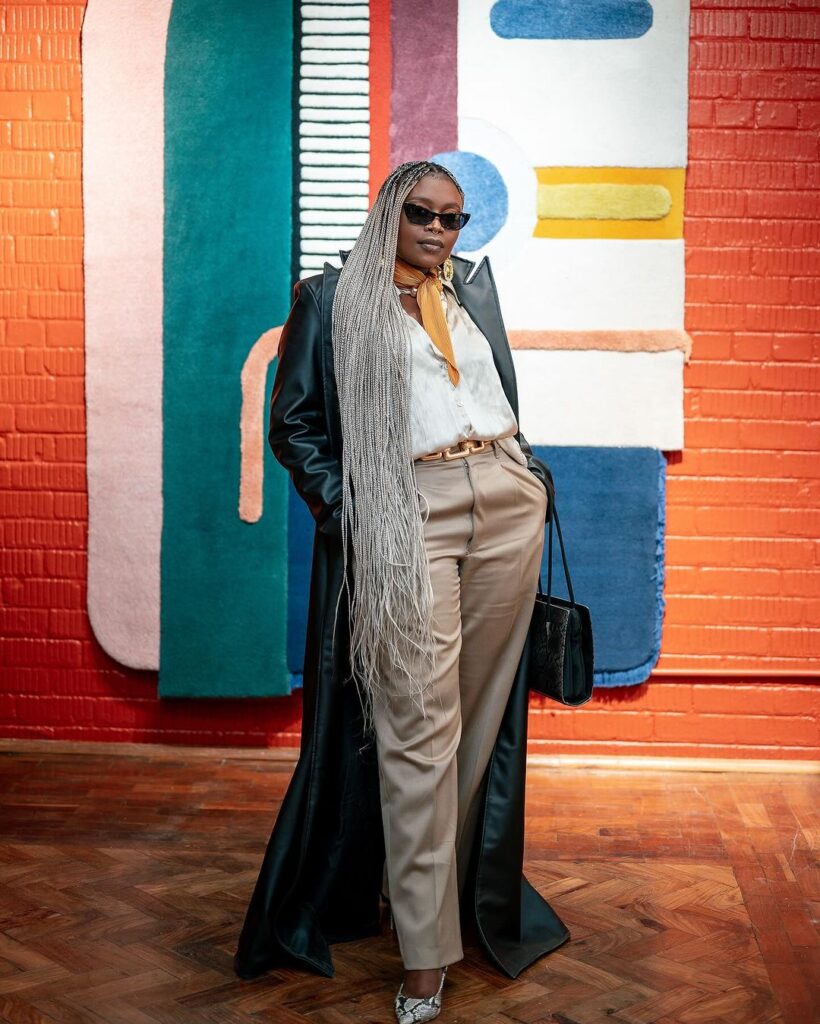
Zoe Modiga | SUPPLIED
What I appreciate about the album is how you went out of your way to be a vessel of history, preserving our culture and lineage. Why was it necessary to document and create a historical artefact that can be embedded into the Modiga archive of knowledge?
Zoë Modiga: “The background of this album really stems from the thick of the 2020 lockdown. We released our sophomore album Inganekwane during that time, which was an incredible yet scary process. We didn’t know what was happening or what would become of us. During that period, I found myself in a very prayerful state, especially creatively. Many songs from that time are now part of this third album. It’s a very spiritual work with a prayerful essence.
“The spiritual heartbeat behind this music is deeply personal to me. When I think of spirituality, I think of my grandmother, whose name is Nomthandazo – mother of prayer. It’s also a name given to me by my grandfather. With this album, I wanted to honour my lineage and my idea of womanhood, acknowledging that I was raised by women of prayer. I wanted to celebrate the divinity within us all. Drawing from my legacy, personal experiences, and the God I see in myself and those around me was important. I’m excited to see the many lives this music will touch and influence.”
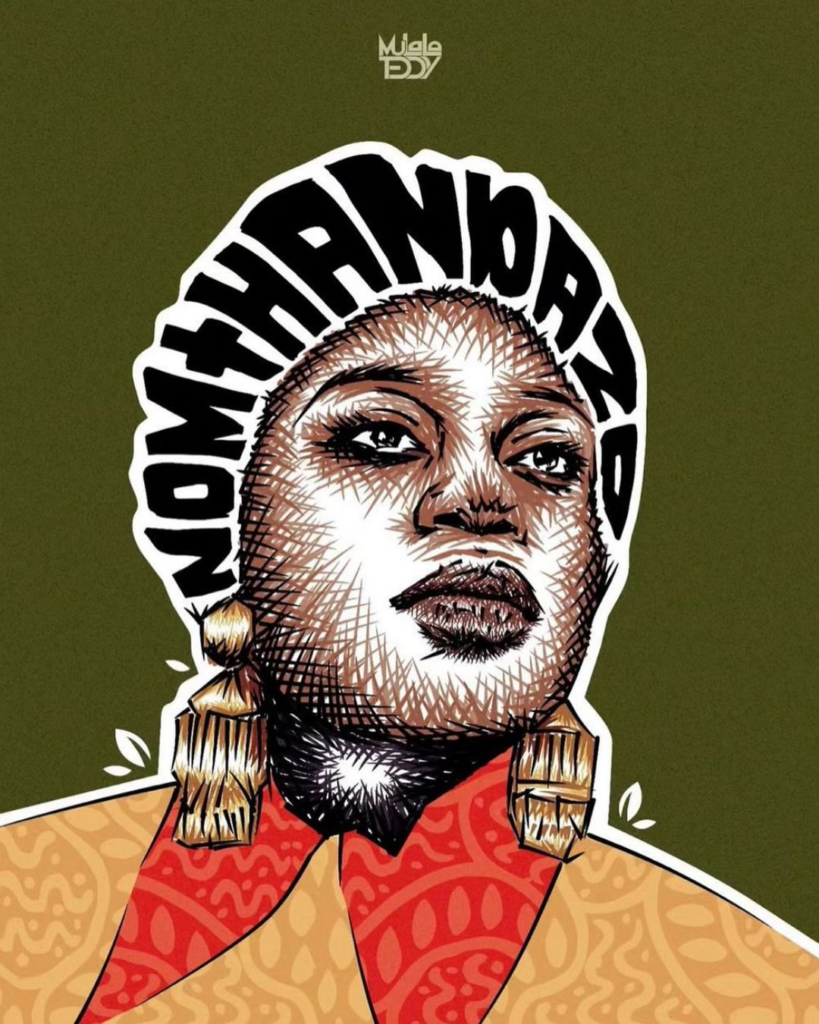
The visual language of nomthandazo from the visualisers, album art and the like thematically explore your homage to the divine feminine. Please take me through the creative direction that went into communicating this with grand poise.
Zoë Modiga: “The idea for the visuals actually came from realising the incredible talent I get to work with—people like Tatenda Chidora, Nao Serati, Tammi Mbambo, and John Baloy, who were all part of this project. I noticed that many of the images we create to build these beautiful worlds often end up on social media. It felt like these images had more life and potential than just static posts online. That’s when the idea of creating moving pictures came to me—something that could transcend just being a still image and almost breathe off the screen.
“I’ve been fortunate to collaborate with many of the same incredible people over the years, from Yellow, The Novel to Inganekwane. It’s been beautiful to grow in a space where we invite something greater into our creative process—knowing it’s not just my vision but a collective genius. As someone who strives to build worlds, we must go beyond just songs and lyrics. We aim to create an entire universe, and the visual story is a crucial part of that. When people can taste, touch, see, feel, hear, and even remember an image associated with it, it becomes a powerful experience.”
Watch “Indlela Visualiser Here:
With songs like “Ntando yakho,” “amen”, and “indlela”, your album is rooted in your African spirituality. What impact does said spiritual path have on your creative output?
Zoë Modiga: “I would say that nomthandazo is not specifically about African spirituality. It’s an album that explores what spirituality can mean for different people. It looks at various forms of spirituality and how people connect with a higher power. That’s really the essence of this album. While Inganekwane was more rooted in African spirituality, nomthandazo is more of an open exploration—it’s not about providing answers but rather about asking questions. It’s about finding your own path to connect with the divine, especially considering the rich and complex history of spirituality in the Black community.
“I was raised Roman Catholic but was also exposed to Jehovah’s Witnesses, charismatic churches, and different roles like being a worship leader. I’ve also encountered Eastern and Western philosophies. My curiosity about African spirituality grew from these experiences. Through these diverse spiritual encounters, I’ve noticed a common thread: we’re all trying to make sense of life and the challenges we face as human beings. As you mentioned, we are spiritual beings with a human experience, and we’re all trying to understand that experience in many ways.”
“Get lifted” expands on your spiritual expansiveness, detailing your oneness as a lightworker, a star seed, a wonder child, and a divine one. Why was it important for you to share your spiritual expansiveness with your audience?
Zoë Modiga: “I think it was vital to highlight that we are spiritually expansive people. We’re not just one thing. Even outside of spiritual conversations, we are multi-dimensional. If I were to pass away, and people who love me gathered at my funeral, I imagine they would have many different things to say about me. Some things might not be favourable, while others would be, but that’s part of being human. We are complex beings.
“Spirituality is often viewed as black-and-white, but as long as we remain curious, we realise there is so much we don’t know. There is always more to discuss, explore, and understand. Sometimes, you think you have figured out your spiritual journey, only to encounter a new perspective or knowledge that completely reshapes or expands your understanding. I love the word expansive because it captures what I hope for all of us while we’re here, trying to figure it all out.”
Stream “Get Lifted” Here:
“nkunz’emdaka” deals with loss and grief. How has the process of creating music about loss affected your own grieving process?
Zoë Modiga: “’nkunz’emdaka’ is a letter to one of my older brothers, who is no longer with us. I wrote it around the time I lost him, at least in this physical world. When I decided to name the album ‘Nomthandazo,’ which is not just a name but my own, it made me question my willingness to be vulnerable. How do you name something after yourself and then not share anything personal? I’ve always been protective of my family and those who love me the most because, in many ways, they feel like all I have. I don’t want to share that with the world. But I realised that while there are things I might prefer to keep private, everyone can relate to loss—whether it’s the loss of a loved one, a part of themselves, or even an acquaintance. I knew that sharing something so vulnerable might be difficult for me, but it could also be meaningful for others who are listening. That understanding encouraged me to share this part of my story.
“As for how it has helped with my grief, I believe that grief and loss are things that stay with you, and you learn to live with them. I’ve come to understand that the pain I feel isn’t something to shy away from. It’s evidence that someone significant and valuable to me is no longer here, and I can’t create new memories with them beyond the pain of losing them. That’s how I relate to grief now.”
Stream “nkunz’emdaka” Here:
The concept of legacy is prominently featured in your overview. How do you hope this album will contribute to your legacy as an artist and cultural figure?
Zoë Modiga: “For me, legacy is like what India Arie described when she said that sharing something is like planting a seed—you may never get to sit in the shade of the tree that grows, but you plant it anyway. That’s how I see my legacy. I hope and believe it will outlive me, even though I don’t know how people will interact with it long after I’m gone. But I’m willing, and even compelled, to plant these seeds. It feels like my purpose to do so.
“So, I’m just continuing to plant my seeds and following the calling given to me. I hope that by doing so, I encourage others to plant their seeds, find their own purpose, and not just be spectators of what I share. I want my work to inspire people, help them see and love themselves, and create something meaningful in their lives. That’s all I can really hope for.”
Stream “nomthandazo” Here: https://orcd.co/nomthandazo
Connect With Zoë Modiga
X (formerly Twitter): @Zoe_Modiga
Instagram: @zoemodiga
Facebook: @zoemodiga
Tik Tok: @iamzoemodiga
YouTube: @iamzoemodiga


