


Healing is not a linear journey. There are days when you feel whole again as if nothing was ever broken, and others when you unravel completely, drowning in waves of overwhelming sadness. As Jay-Z once professed, “You can’t heal what you never reveal.” For award-winning multimedia powerhouse Nadia Nakai, the grief of losing her partner and collaborator Kiernan “AKA” Forbes has been nothing short of devastating. Rather than surrender to this wreckage, Nakai has chosen to reclaim her power from the clutches of depression. Her new album Braggacy stands as both tribute and testimony—honouring AKA’s legacy while blending vulnerability with braggadocio to achieve purge and closure in profound ways.
The album’s narrative arc—from devastation to reclamation—unfolds with cinematic precision. Opening with the orchestral “Well Done (Intro),” Nakai immediately establishes a haunting atmosphere that resonates with AKA’s own legacy. When Jonathan Hamilton and Ziyon intone, “You give your best, it’s time to rest, well done,” the words hang in the air like a funeral oration—the first indication that this album isn’t merely about personal catharsis but about constructing a cultural monument.
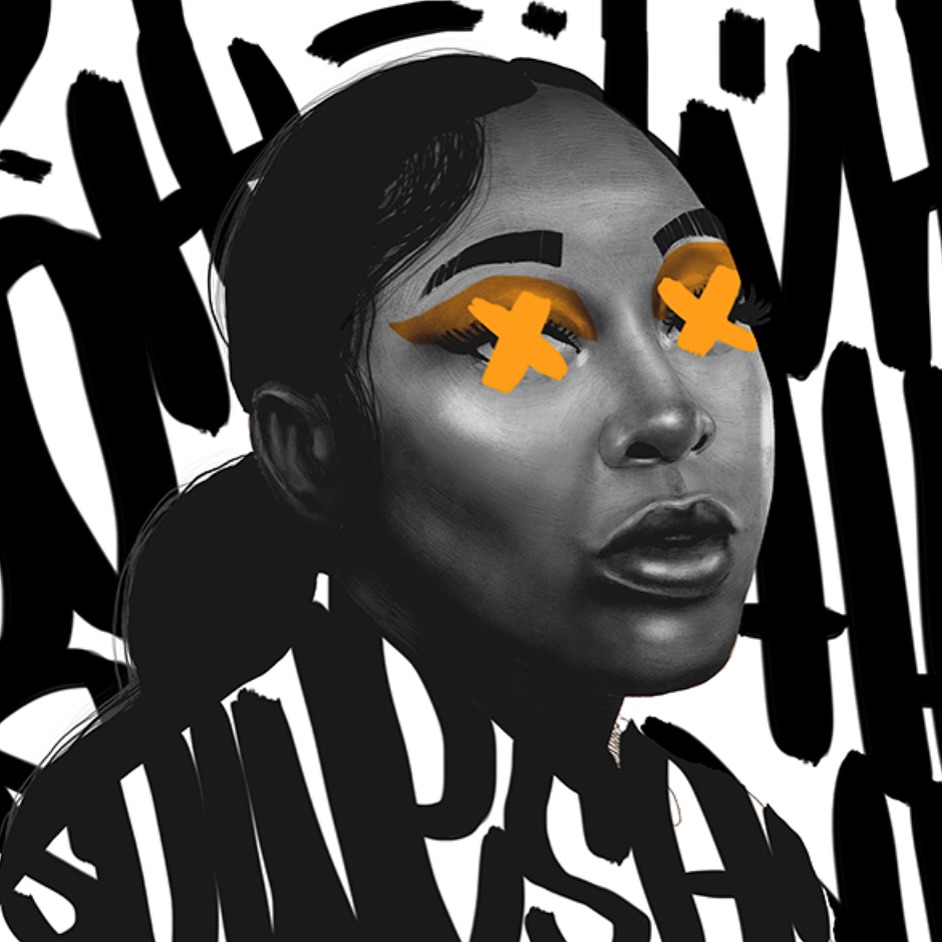
Braggacy album cover | SUPPLIED
“Never Leave” functions as the emotional core around which the album’s conceptual framework revolves. When Nakai confesses, “Hard to stay afloat/I’ve been in the dark I’m trying to hold onto my hope,” she articulates personal anguish and connects to a universal experience of grief that transcends her specific circumstances. The track’s raw emotionality exposes the artifice of contemporary hip-hop’s often superficial engagement with trauma, proving that true vulnerability requires neither aesthetic compromise nor commercial calculation.
What elevates Braggacy beyond mere memorial is Nakai’s refusal to be defined solely by her loss. “No Problems (Sandidaro)” marks a pivotal shift, introducing a dancehall-infused sensibility demonstrating her comprehensive understanding of pan-African musical traditions. With its subtle log drum presence, the marriage of Afrobeats and Amapiano represents sonic experimentation and a philosophical stance: grief doesn’t negate joy; it complicates it.
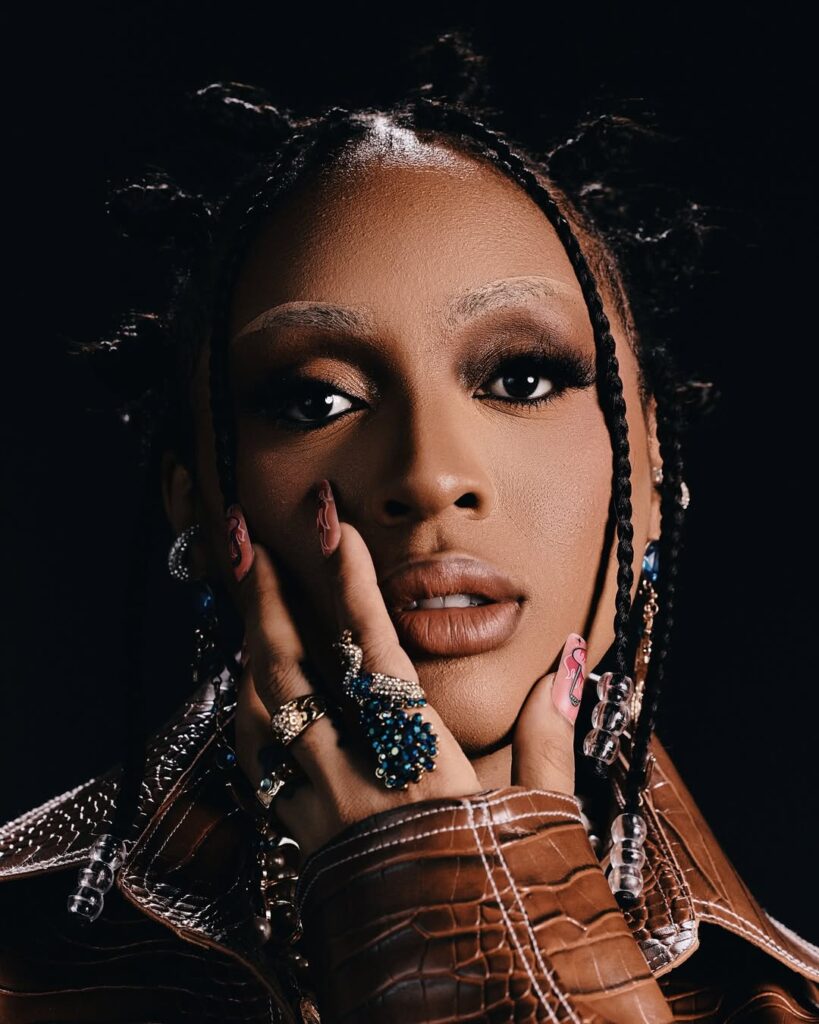
Nadai Nakai | SUPPLIED
This complexity manifests throughout the album’s middle section, where Nakai oscillates between introspection and assertion. In “Don’t Know Why,” her declaration that “Might have seen the worst, but you’ll never see me cry” speaks to the performative requirements placed on women in Hip-Hop—the necessity of projecting strength even in moments of profound vulnerability. Boskasie’s haunting observation that “I know up above he watching, I can feel it in my soul” introduces a spectral element that haunts the remainder of the project: AKA’s presence simultaneously becomes absence and omnipresence.
“Sous Chef” and “Siphithipithi” serve as necessary counterpoints, reasserting Nakai’s pre-grief identity through lyrics dripping with materialistic bravado. When she enlists needs like “I need flights/I need checks/I need Prada on my neck” and “I need sex & respect,” she’s not merely flexing—she’s reclaiming agency. These tracks function as cultural artefacts that document the delicate balance between femininity and masculinity within contemporary African Hip-Hop, with lines like “The opps don’t flip/so its fully loaded clips”, establishing Nakai’s street credibility while simultaneously questioning the gendered expectations of the genre.
Watch “Sous Chef” here:
The album’s most politically charged moment arrives with “Umfazi,” where Nakai invokes the South African feminist battle cry “Wantinta umfazi wathinta imbokodo” (“you strike a woman, you strike a rock”). Her double-time flow and the track’s Afrotech sensibilities demonstrate how grief can be politicized without becoming polemic. The song achieves what few contemporary hip-hop tracks manage: making people dance while delivering substantive cultural commentary.
“Shots In LA” represents the album’s most explicit tribute to AKA, with Manu WorldStar’s refrain “Long live Mr. SupaMega!” functioning as both eulogy and celebration. The track’s vibrant visuals and choreography transform mourning into movement—a kinetic expression of grief that honours AKA’s commitment to creating authentically African music that resonates globally. Nakai’s confession that “It’s been a while since I really moved them/beggin on my knees I don’t wanna lose them” reveals the precarious position of the artist in mourning: how to honour the dead while still serving the living.
Watch “Shots In LA” here:
On “My Body,” Nakai’s comparison of her relationship with AKA to “the Jigga to her Queen B” situates their partnership within global hip-hop’s pantheon, elevating a personal relationship to cultural significance. The track’s log drum-infused production creates a sonic palette that’s simultaneously intimate and expansive, mirroring the way private grief becomes a public spectacle for artists of Nakai’s stature.
The album’s final act marks Nakai’s emergence from the shadow of loss. “Top of the Mountain” samples AKA himself speaking about Africa’s musical future, transforming his voice from memory into prophecy. When Nakai raps over his words, she’s not merely responding to them but continuing a conversation cut short by tragedy—establishing herself as the custodian of his cultural vision.
“Missing You” could easily descend into maudlin territory, but Nakai’s admission that “Tears run dry, but I’m hurting” acknowledges the performative requirements of public grief while revealing its limitations. The collaboration with Shekhinah and Zakes Bantwini creates a textured soundscape that elevates the track beyond simple balladry into something more nuanced and profound.
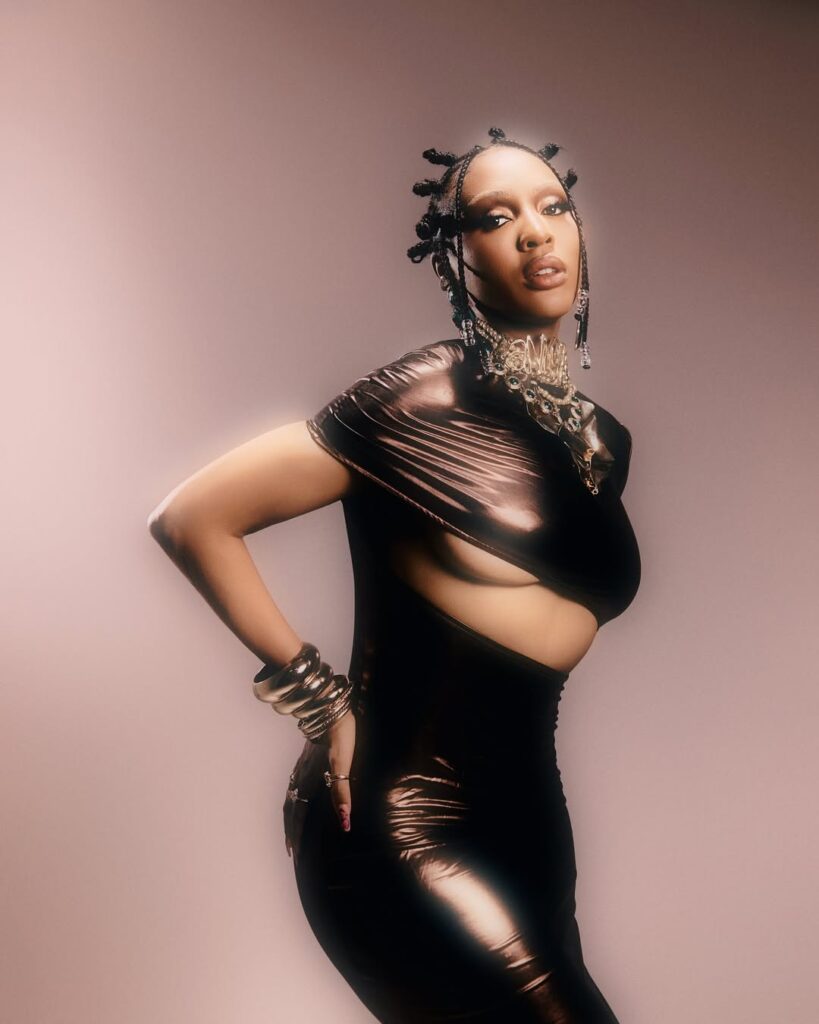
Nadai Nakai | SUPPLIED
By the time we reach “M.E.G.A,” Nakai has completed her transformation. When she declares, “I’m ready for war ngiyafana noWinnie Mandela,” she’s placing her personal struggle within South Africa’s broader political narrative. Her self-description as “A phoenix on the rise” is equally personal and national—positioning herself within a tradition of South African resilience that transcends individual circumstances.
The album’s bonus track, “Talk”, functions as an emphatic full stop, with Nakai mocking her detractors through lines like “Talk Talk Talk, talking around but you don’t come with the action/you and the boys is looking like petrol attendants, all of you gassing.” The track’s street sensibility and nod to Cardi B’s “Bodak Yellow” flow demonstrate Nakai’s global awareness while maintaining her distinctly South African identity.
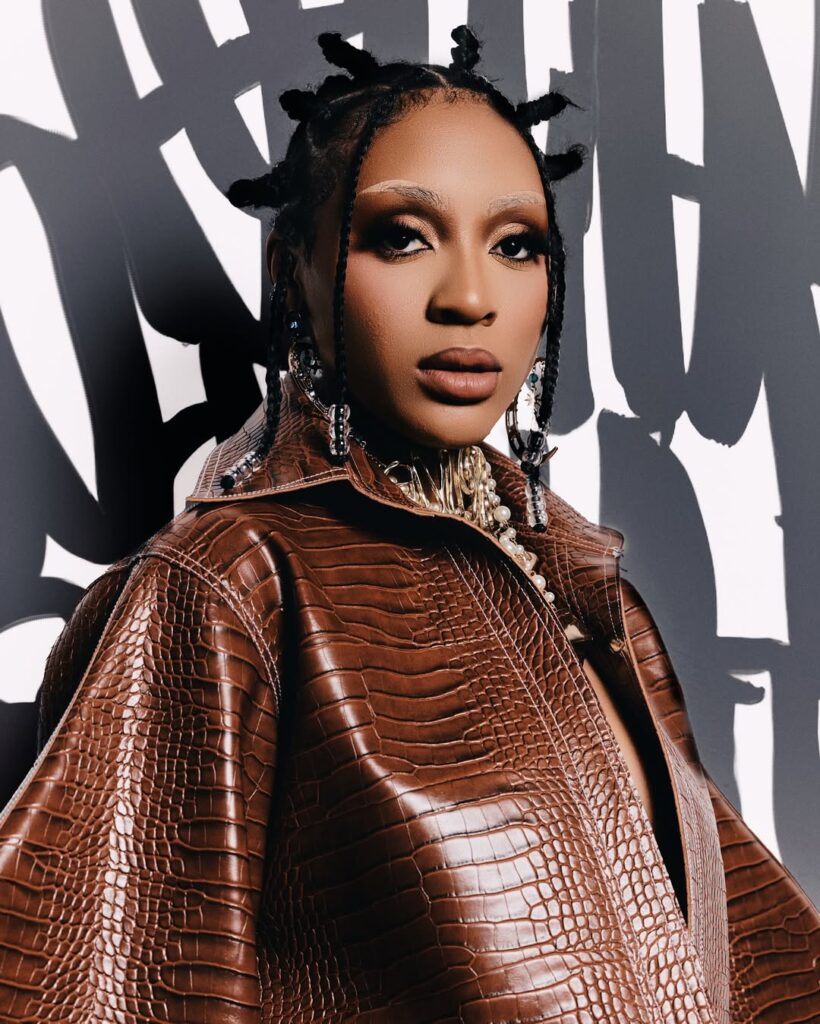
Nadia Nakai | SUPPLIED
Braggacy ultimately succeeds where many grief-inspired albums fail: it neither wallows in despair nor rushes toward facile resolution. Instead, it documents the messy, non-linear healing process with unflinching honesty and artistic sophistication. Braggacy stands ultimately as a profound testament to Nadia’s love for the late Supamega, offering both therapeutic release and a pathway toward closure. Throughout the album, we witness her navigate the complex stages of grief with remarkable courage, though, as noted earlier, healing follows no linear trajectory.
Music again proves itself as one of humanity’s most potent vehicles for processing pain—yet there’s a distinct difference between finding solace in another’s artistic expression and creating that vessel yourself. In laying bare her vulnerability, Nadia achieves a more profound catharsis that listeners can only glimpse. Her willingness to share this intensely personal journey deserves our respect, reminding us of love’s enduring importance, even in its most painful manifestations. Long live Supamega, and may Bragga continue to find peace as her path toward healing unfolds.
Stream Braggacy here


