


From his iconic breakout hook on AKA’s 2014 hit single “Run Jozi (Godly)” to shaking the streets with “Utatakho”, Mthatha-born rapper and singer-songwriter Yanga “Yanga Chief” Ntshakaza has long etched himself into the honour roll of South African hip-hop. From consolidating his spot as one of the country’s most impactful songwriters to erecting his own legacy with his solo projects, Yanga’s path to greatness is one paved by those he learnt from and those who came before him. However, his own footprints, in the shape of Becoming a Pop Star (2019) and Pop Star (2020), can be found in terrains less travelled, musical expeditions that have not only won him the hearts of listeners but also industry awards such as the South African Music Award for Best Hip Hop Album in 2021 for his debut EP.
After five long years, Ntshakaza independently-released his sophomore LP, titled Lord Faku: The Life of a Dyan. Met with generous plaudits since its release, it is led by the single “What If? (Mngani)”, which has broken Spotify records and sparked a movement with viral “What If?” challenges on social media.
The “Ntoni” hitmaker spoke about the indigenous thought that went into christening the album, hearkening back to the 17th century and braiding the history of amaMpondo into the naming of the album, particularly the last monarch of the Mpondo people: King Faku ka Ngqungqushe.
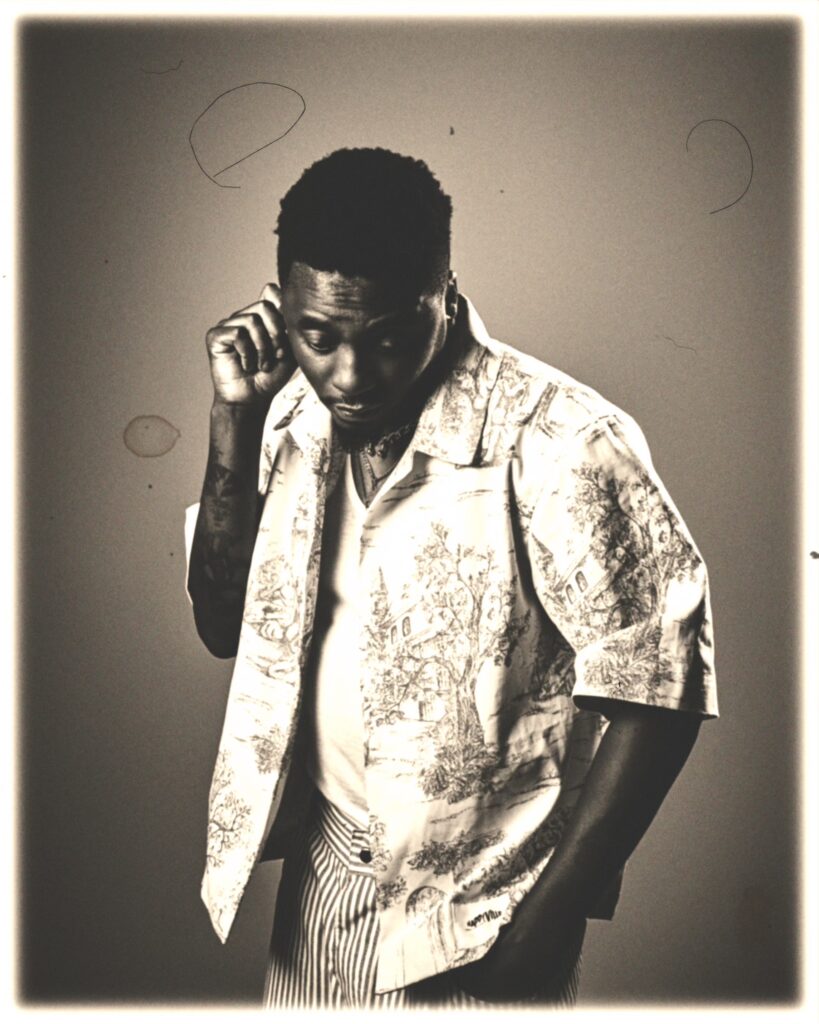
Yanga Chief | SUPPLIED
“When it comes to the name of the album Lord Faku, it speaks of my surname, and I wanted to highlight that as a descendant of King Faku and being proud of that fact. And also, “The Life of a Dyan” was to showcase the life I have been living for the past four years, running over from my previous album and showing how my thought processes have changed and matured overtime.
“When it comes to the sound of the album, it’s hip-hop that I grew up listening to. I’ve always been a fan and a student of mainstream and commercial hip-hop, and that’s the direction I wanted to take with this project without fear or favour. My aim was to make a classic hip-hop album for a change,” he said.
With every single project that lines the shelves, it’s a common pattern among musicians to venture into other modes of creativity to extract the most out of themselves in future projects. From dipping their toes in other genres to tweaking the songwriting process, growth and progress are the key and go-to ingredients for artists seeking to break frontiers and charter unfamiliar territories.
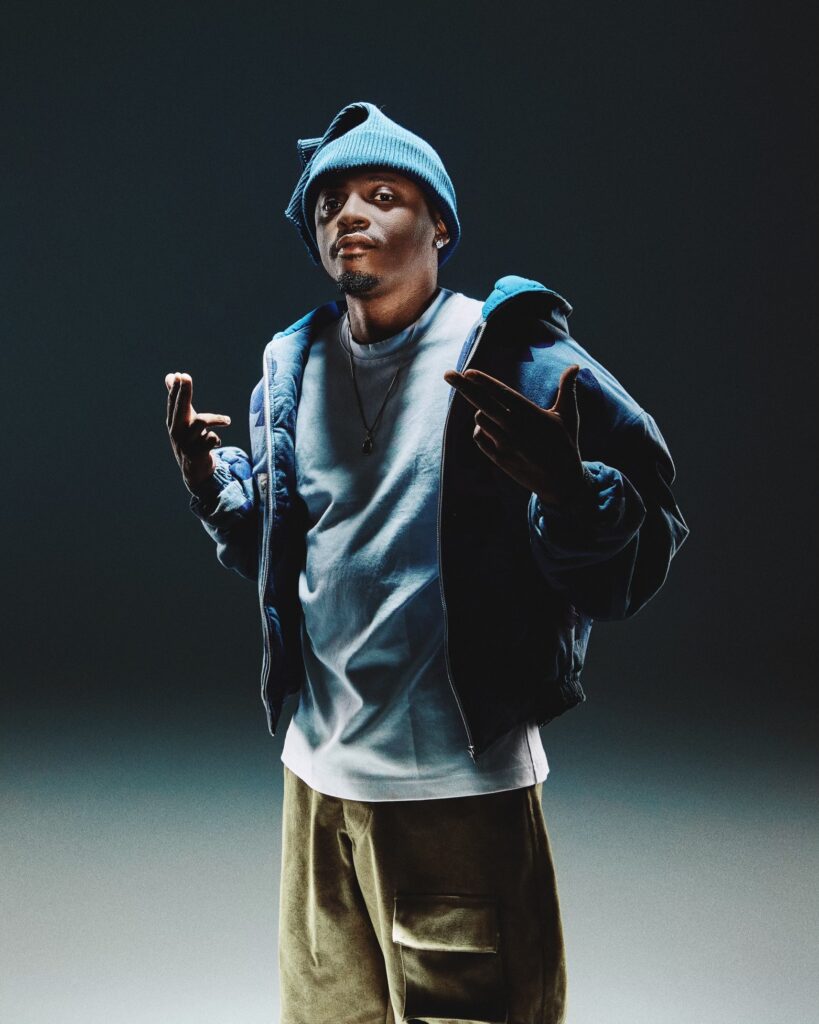
Yanga Chief | SUPPLIED
For Yanga Chief, going against the grain has not only defined him and his artistry, it has been the cornerstone of his ability to make consistent records, which are true to his core and are able to grow with him as time goes. On the heels of his SAMA-winning extended play Becoming a Pop Star and his debut Pop Star, Yanga spoke about how making Lord Faku wasn’t about besting his past works but rather building a unique album that would be true to self as was the case with his other opuses.
“I wasn’t trying to do anything different on Lord Faku. I think, naturally, if you take time to do something every day, you grow and become a different person. So, the approach I used for this album is the same one I applied to my previous projects; the only difference is that right now I’m a different person than I was four years ago. And to be honest, I feel like that’s the only way to make music openly and honestly. I’ve never looked at my other albums and felt like they needed improvement or to be changed or anything like that because, over the years, I’ve felt a natural progression and growth, which is obvious. And I guess this project is a result of me staying true to myself and my processes throughout the years I’ve been making music,” he said.
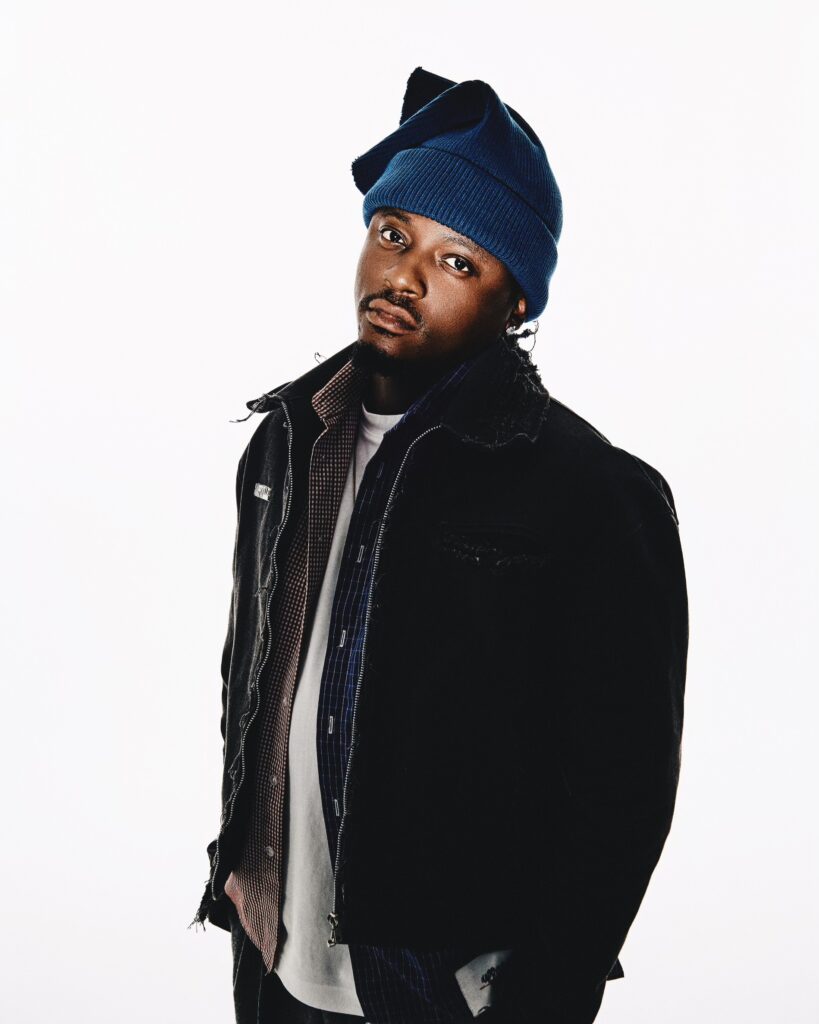
Yanga Chief | SUPPLIED
Yanga shared his two cents about his journey as an indie artist after the independent drop of his latest album.
“Independence is hard work, man. I wouldn’t advise it for anybody just starting out in the game. I think I’ve learnt a thing or two, even though it took me some time to figure some things out – and I’m still learning even today. If you’re not signed to a label, you have got to have a team around you of people that you trust and that are willing to put in all the hours with little to no renumeration at times because they believe in the dream.
“So things like that are not easy because you can’t do everything yourself. Independence, I’ve learned, is not for everyone, or at least as yet. It might be a good idea to start under a label and then grow into independence as you learn more about the business itself. For me, it took some time, and I’m still learning every day,” he said.
Lord Faku: The Life of a Dyan came in hot and loaded with a stacked guest list, including Khuli Chana, 25K, Stogie T, and a posthumous appearance from the Supa Mega himself, AKA, amongst many others. Yanga highlighted the importance of maintaining healthy relationships in the industry, something he credited as contributing to the chemistry he had on the songs with his musical visitors.
“I’m a fan of every person I featured on the album. I know that my style is unique, but I’ve always been curious to hear how some rappers would sound on certain songs. And fortunately, for me, I had good relationships with the artists, and we were able to find common ground on the songs. When you listen to them, they sound like we know each other and are cool with one another. So that’s something I appreciate. Our relationships came out on the songs,” he said.

Yanga Chief | SUPPLIED
Closing off the conversation, Yanga’s bookending remarks indicated that he was satisfied with the current trajectory that hip-hop has been on for some time now. Spotlighting the genre’s longevity and its sustained relevance through incorporating other genres, he spoke of his feelings concerning new artists and the life-threatening danger of complacency.
“When it comes to the state of the game, I’d say that I’m always happy to see new faces coming in, and how after a while they become household names themselves. That speaks to the progression of hip-hop itself in this country. My only hope is that I get to see a little bit more courage from producers and artists in terms of experimenting with the music. I think South African hip-hop has always been multi-genre in its sound. From jazz to kwaito and house, SA hip-hop has always managed to carry all the other genres in it, and that’s why it has survived for so long. So I’d like to see a little bit more moving forward, but I think we are in a comfortable place – even though being comfortable can be dangerous at times,” he said.


