


Blooming from the soil of Nigeria, based in the United Kingdom and born Omobosola Grace Adegbite, the stage name of afro-soul musician Ossi Grace is a synonym that stands tall next to love, healing, and hope. Having charted rough times while making the most out of the scant, her album, titled In a Hopeless Place, is a musical quilt that is as mature musically as it is grounded in the broken reality it sees the best in. And the project is merely a start.
The singer-songwriter spoke about the unconventional poles that existed from her perspective: the black and the gold, with the former representing the negatives and the latter standing for higher ideals. She talked about how her experiences have shaped her since she was a little girl and how things have influenced the way she sees life.
“I lived quite a full and colourful childhood. I experienced a lot of things and seen life in both the most beautiful and the most darkest ways, and I feel like the older I got, it got to a point where I had to decide what I wanted to accept between the black or the gold. When I talk about gold, I mean love and hope and anything else that’s pretty much good. That’s hard to work towards,” Ossi said.
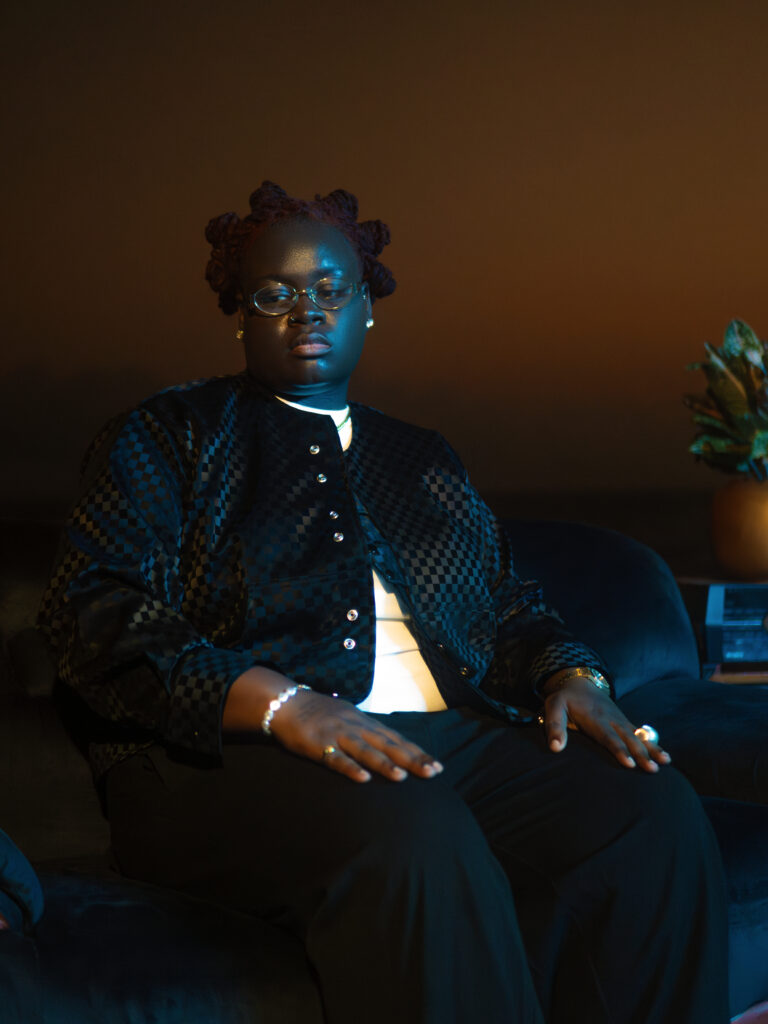
Ossi Grace | SUPPLIED
A recent signee of the United Kingdom chapter of Sony Music, Grace spoke about juggling odd jobs with pursuing a career as a musician, as well as the transition from being an indie artist to being under the auspices of an established record label.
“My initial aim was to release music all by myself. I already had plans for that while working some other jobs at the same time. When the deal came about, it was life-changing because it’s one thing doing something by yourself and you doing the same thing with a team of people who know what they are doing. It’s a turnaround I was not expecting and that I’m also grateful for,” she said.
Using the industry as her university, Ossi Grace shared how being a full-time musician came with the fear and the pressure of assuming a lifestyle becoming of a star in the making. From media training to finding her poise while striking a pose for the cameraman handling her PR images, she expressed gratitude, feeling that the experience of becoming has helped her to moult and to become a much more streamlined brand.
“I’m a person who had to learn on the job, and I think that’s a good thing because I used to have this fear just watching the way artists performed and carried themselves because I understood that those things take time. You have to learn that. So I’m grateiful that I’ve been able to throw myself into photoshoots, music videos, and interviews. To make mistakes and use what I learn from them to come back better,” she said.
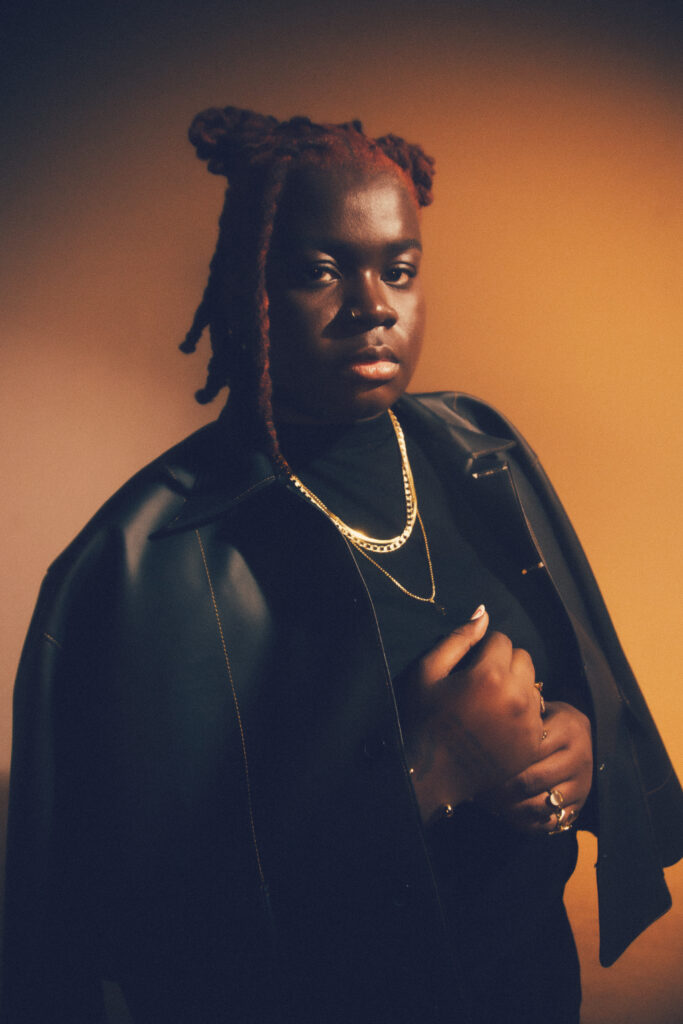
Ossi Grace | SUPPLIED
Grace talked about her album In A Hopeless Place, how much of herself she invested into making it, and freeing herself from the fetters of pleasing the masses with her artistry.
“I think that how you present yourself to the world at times differs from your actual life experiences. My personal life experiences, to an extent, are things I can’t control, so getting signed didn’t necessarily influence my project. The album was me building a project around the experiences, even before I got signed.
“The creative process for the album started with me making a decision of me letting go. Letting go off what people expected of me since that came with a lot of pressure. I remember not being able to come up with anything after getting signed because of that mindset, so once I released the expectations, I started being able to make music from a space of freedom,” she said.
Powered by the strength to leave a mark of hope and healing, Ossi Grace also shared her ambition of rewriting the script of what a Naija artist—continental or diaspora—should be cast into.
“What I’d like people to take away from this project is hope and healing. Because the particular time of my life the album came from wasn’t a fun time. There was a lot of turbulence, the type that can throw you off. So, I want to leave a spirit of hope and healing with people, and I also want to change the mindset of people about what an artist should look and sound like. Coming from Nigeria, we could agree that there’s a certain sound that is expected of you, a certain look—even traditionally. So, I want to change the narrative of what a Nigerian should sound like so that future artists don’t get boxed in by looks or sound,” she said.
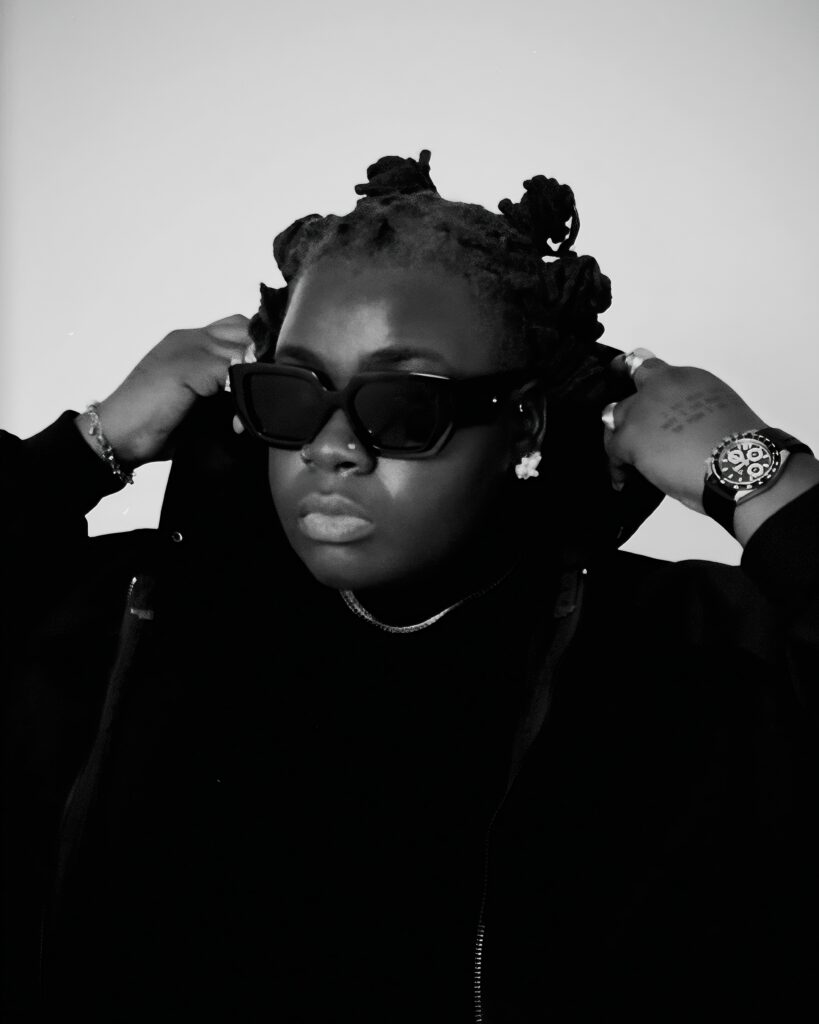
Ossi Grace | SUPPLIED
Ossi highlighted the importance of remaining loyal to one’s own taste and the creative profit that comes with staying true to what resonates with one’s inclinations.
“From what I’ve been able to achieve so far and the support I’ve gotten, being yourself is important. You will know what sound connects with your heart and you’ll know what kind of style is for you. It’s something I feel like is innate to all human beings. Like when you are out shopping and you catch something or a colour that you like. You know when you hear your type of sound whether it’s for you or not, and it doesn’t matter whether it’s trending or not or whether Burna Boy or Wizkid is on it,” she said.


