


Summer Walker has always been a reluctant protagonist in her own story. The Atlanta R&B singer built a career on radical vulnerability, yet often retreated from public life, letting her music and messier headlines speak for her. Finally Over It, the trilogy-closing double LP, attempts to reclaim that narrative — not through shock or spectacle but through a deliberate, 90s-leaning sound and a visual rollout that is as layered, absurd, and self-aware as the music itself.
The album cover — a recreation of Anna Nicole Smith’s 1994 wedding to J. Howard Marshall — sets the tone. A young bride, an elderly groom, rose petals falling like confetti over a transaction disguised as romance. It’s satire but also a provocation: What does it mean to choose security over love? What does it cost to perform happiness for public consumption? Walker leans fully into this motif, using the imagery to interrogate the economics of womanhood, desire, and survival. The album never gives a clean answer — she isn’t selling neatness. She’s choosing discomfort as truth.

Her voice has changed too. She still floats between breathy croons and half-spoken lines, but there’s firmer lyrical posture here. On “No,” sampling Beyoncé’s “Yes,” she rejects domestic servitude with a clarity bordering on delight: “You want me slaving over a hot stove… You want me to cater to you… You want me to lose myself just to keep your home”. The refusal feels like a thesis. “Scars” opens the record quietly but bluntly — “I can’t see you for who you are if you won’t show me what’s beneath those scars.” Transparency becomes both an emotional request and an artistic demand.
Disc One: For Better
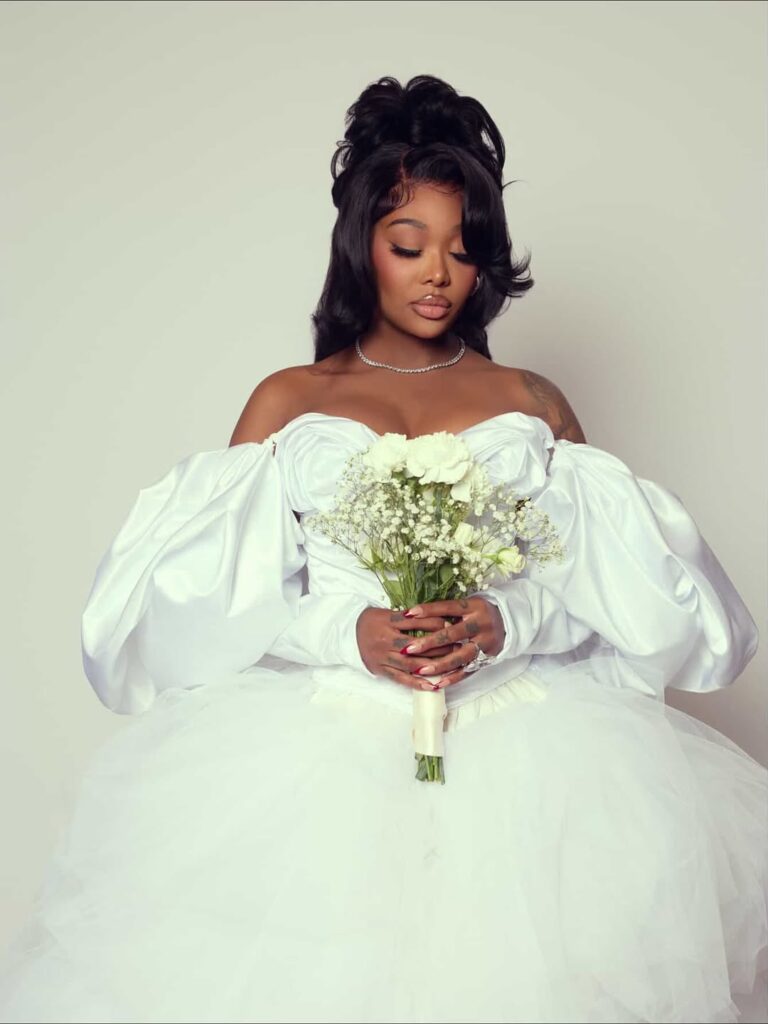
The first disc leans into slow jams, R&B balladry, and mid-tempo grooves, and it’s where Walker’s writing is at its sharpest. “Go Girl” is an addictive ode to self-care and feminine solidarity with Latto and Doja Cat trading playful verses. Doja is the standout, though the repetitive flow across the trio dulls the track’s impact. The Chris Brown feature on “Baby” — built over a Mariah Carey flip — adds little beyond name recognition. His contribution feels more like an industry mandate than a genuine artistic choice, feeding into the song’s overall hollowness. Despite its glossy production, “Baby” never moves past a generic sheen; the writing feels thin, the energy muted, and the arrangement too short to build any real momentum. It’s part of a broader, slightly puzzling trend of R&B women repeatedly tapping Brown for features even when the collaborations don’t elevate the music — and here, the result is another track that lands with a soft thud rather than a lasting impression.
“1-800 Heartbreak” is more successful. The first half is polished, melodic, deceptively upbeat — Walker pretending she’s fine while spiralling. Anderson .Paak’s verse, delivered from his mom’s phone because she blocked him, is chaotic in a way that honours the song’s emotional mess. His clownery reinforces the album’s core idea: self-reckoning is more honest than self-mythology.
But the moral hinge of Disc One is “Heart of a Woman.” Over tender, quiet-storm keys, she names the imbalance: forgiving too much, loving too hard, enabling dysfunction while resenting it. “Only thing that’s saving you is the heart of a woman” is less romanticism than resignation. It’s compassion and exhaustion held together by sheer force.
“Give Me a Reason” with Bryson Tiller continues that thread, though Tiller’s clichés flatten the moment, making the collaboration feel like filler. The cohesion of the first disc relies almost entirely on Summer’s pen — not the guests.
Disc Two: For Worse
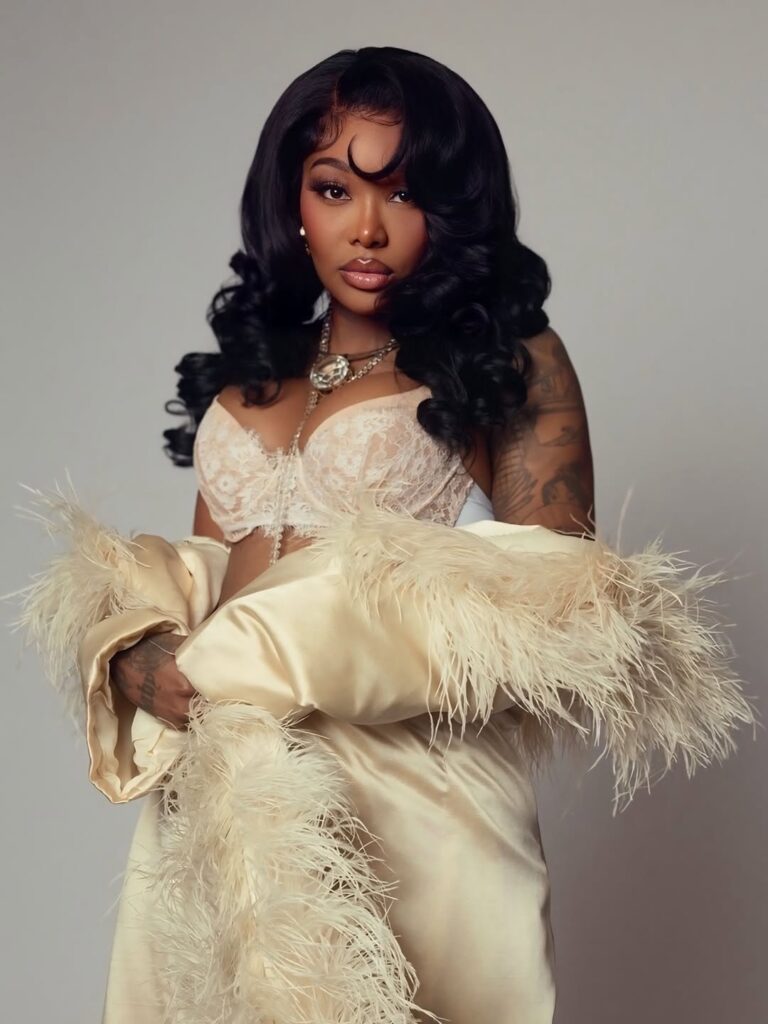
The second disc is intentionally murkier. Sonically varied, emotionally reactive, and occasionally chaotic, it mirrors the rough terrain between anger and closure. But it’s also where the cracks show.
“FMT” (“F*ck My Type”) finds Walker rejecting the idea that a partner must match her fame. She swaps cynicism and sincerity over a punchy pop production, though her vocals don’t fully lift the track. “How Sway” is fun but lightweight — breathless sex banter with a forgettable SAILORR feature.
“Baller” is the album’s most chaotic diversion: a campy NeNe Leakes intro, a Roberta Flack & Donny Hathaway sample begging for mercy, and verses from GloRilla, Monaleo, and Sexyy Red that sound painfully out of place and wouldn’t even work as a club record. It utterly derails the album’s emotional arc. “Number One” with Brent Faiyaz continues the slump, giving Summer the strange position of sounding like a feature on her own song.
The disc is salvaged by the introspective pieces. “Don’t Make Me Do It/Tempted” plays like an argument with herself — layered harmonies, internal conflict, a tug-of-war between desire and self-preservation. “Get Yo Boy” is a sharp warning about misplaced male loyalty, punctuated by a 21 Savage verse dripping with misogyny. Ironically, his posture proves her point. Can we start a petition to get male rappers off R&B songs?
The Trilogy’s Final Word
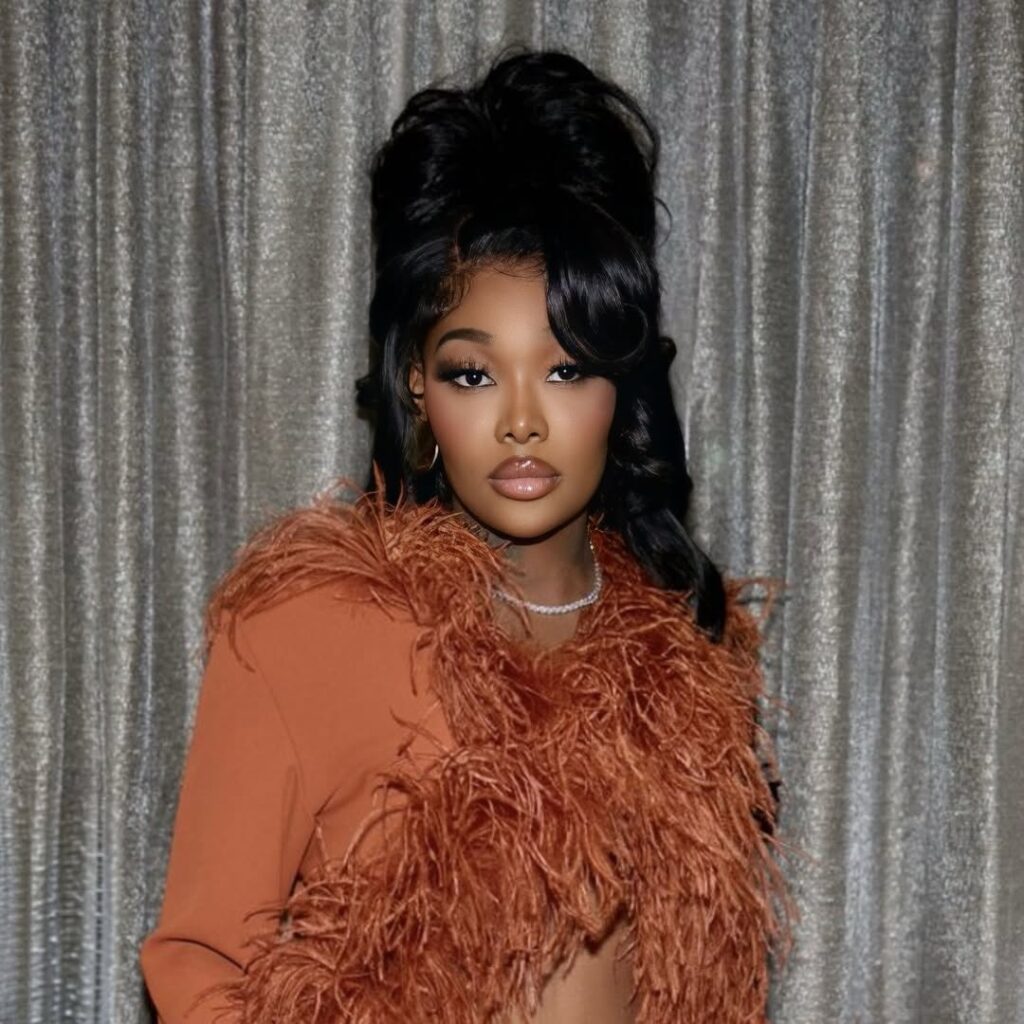
The trilogy’s ending comes through clearest in the last three songs. “Stitch Me Up” is a sex ballad that sneaks in a plea for emotional repair — learning to ask for help instead of performing invulnerability. “Allegedly” pits her softness against Teddy Swims’s powerhouse vocals; he steals the show completely, but the emotional honesty works. The title track brings relief: “All the mess, over. All the stress, over.” She sings acceptance like an exhale, not a victory lap.
Finally Over It doesn’t fully justify its double-disc concept. Disc One is cohesive; Disc Two feels scattered. Many features drag down the momentum. Some writing lacks her usual incisiveness. The production — polished, expensive, 90s-obsessed — can feel legible to a fault, sanding down her rawest edges.
Yet none of these missteps feel like evasion. Summer is no longer begging for love or trying to decode men. She is outlining her standards, examining why she tolerated less, mocking old patterns, indulging new desires, and holding contradictions without shame.

For an artist once memefied for awkwardness, now showing up to talk shows in wedding dresses and commanding A-List rollouts, this is a reclamation. A lover girl choosing herself — even if imperfectly. The trilogy ends not with closure but with agency.
She’s finally over it. Not with a triumphant scream, but with the quiet steadiness of knowing her worth—well, sort of.
Stream Finally Over It by Summer Walker.


