


There are producers who make music for the dancefloor, and then there are producers who understand that the dancefloor is a spiritual space. Sun-El Musician belongs firmly to the latter camp. On his latest offering, Under the Sun, he doesn’t just curate grooves, he builds a sanctuary. This isn’t merely an Afro-house album; it’s a meditation on connection, memory, and emotional endurance disguised as rhythm.
From the first moments, the album feels intentional. Warm percussion rolls in like distant thunder. Basslines hum rather than thump. Synths shimmer instead of scream. Sun-El has always mastered restraint, but here that restraint becomes the album’s defining philosophy.
Nothing feels rushed. Nothing feels like it’s chasing the algorithm. The music breathes, and in that breathing, it invites you to slow down, breathe and stay in a calm state.
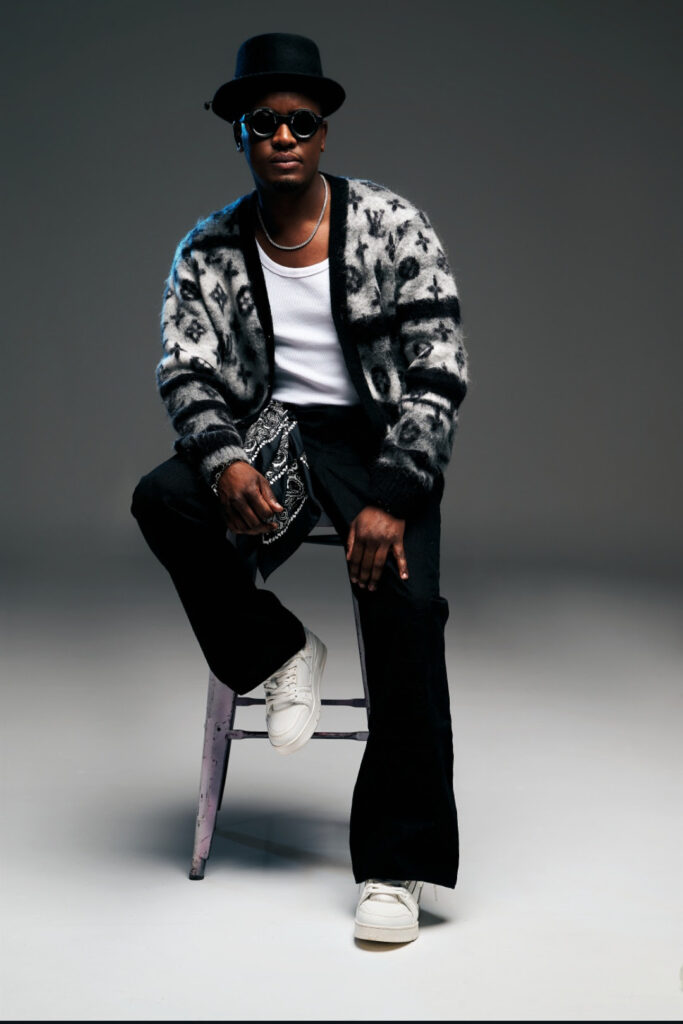
Sun-El Musician | SUPPLIED
Under the Sun feels more grounded, more human. There’s a quiet maturity in how the arrangements unfold. Songs stretch patiently, allowing melodies to bloom and vocals to sit fully inside the mix. The production doesn’t overwhelm the voice, it cradles it, showing an artist who’s on top of the game.
Longtime collaborators like Msaki and Ami Faku bring that unmistakable emotional clarity a kind of ache that feels both intimate and communal. Mthunzi adds texture, while Zakes Bantwini brings seasoned depth. These aren’t features for decoration; they’re structural beams.
Each collaboration feels deliberate, reinforcing the album’s themes of loyalty, love, and perseverance.
But what makes Under the Sun compelling is how Sun-El stretches beyond comfort. The inclusion of artists like Nasty C adds a surprising yet seamless cross-genre tension. It doesn’t feel like a bid for commercial crossover, it feels like a reflection of where South African music stands now, fluid, unboxed, fearless. There’s something powerful about hearing hip-hop cadences ride atop deep, pulsating house rhythms without either genre surrendering its identity.
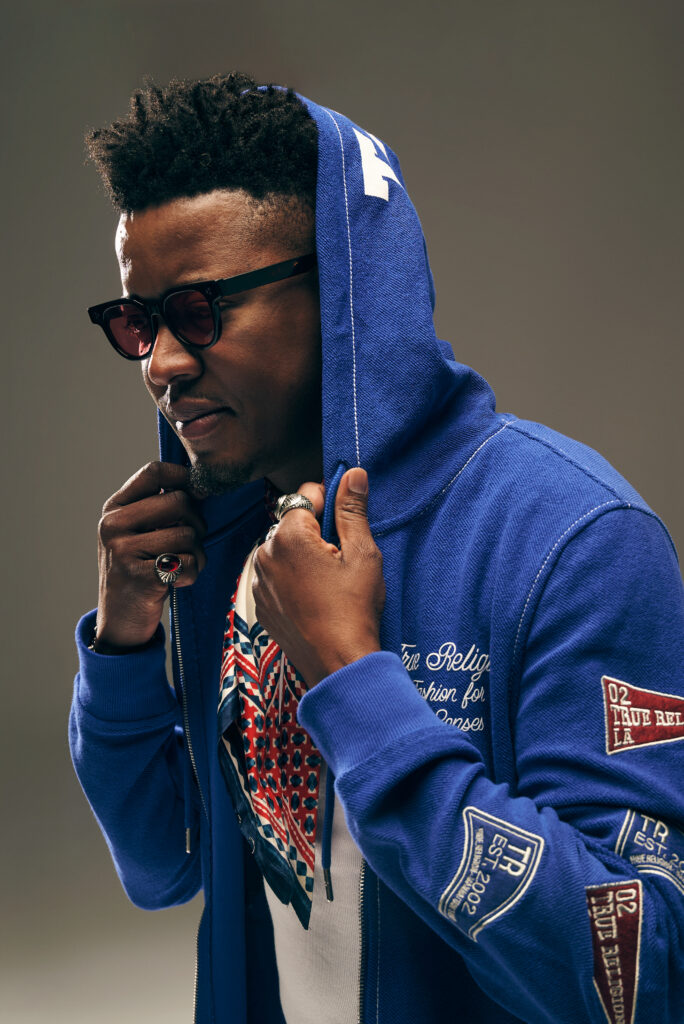
Sun-El Musician | SUPPLIED
Lyrically, the album circles around reassurance and presence. Tracks like “I’ll Be There For You” feel less like love songs and more like promises, vows made in the language of basslines and harmonies. In a world that feels increasingly fragmented, Sun-El’s message is disarmingly simple: stay, support, endure.
Thematically, the sun becomes more than branding. It represents exposure and vulnerability.
To stand “under the sun” is to be seen fully, flaws, scars, light and shadow alike. That vulnerability seeps into the arrangements. Even in its most danceable moments, there’s an undercurrent of reflection. You’re moving, yes, but you’re also thinking.
Production-wise, the album is meticulous. Percussion is layered with almost architectural precision. Pads swell gently in the background like emotional undercurrents. Guitars and keys shimmer with warmth. The mixing prioritizes clarity over bombast. It’s music engineered not for shock value but for longevity. And that’s the album’s greatest strength, it doesn’t feel disposable. Under the Sun isn’t chasing a summer anthem. It feels built to age well, the kind of project you return to years later and find new meaning in.
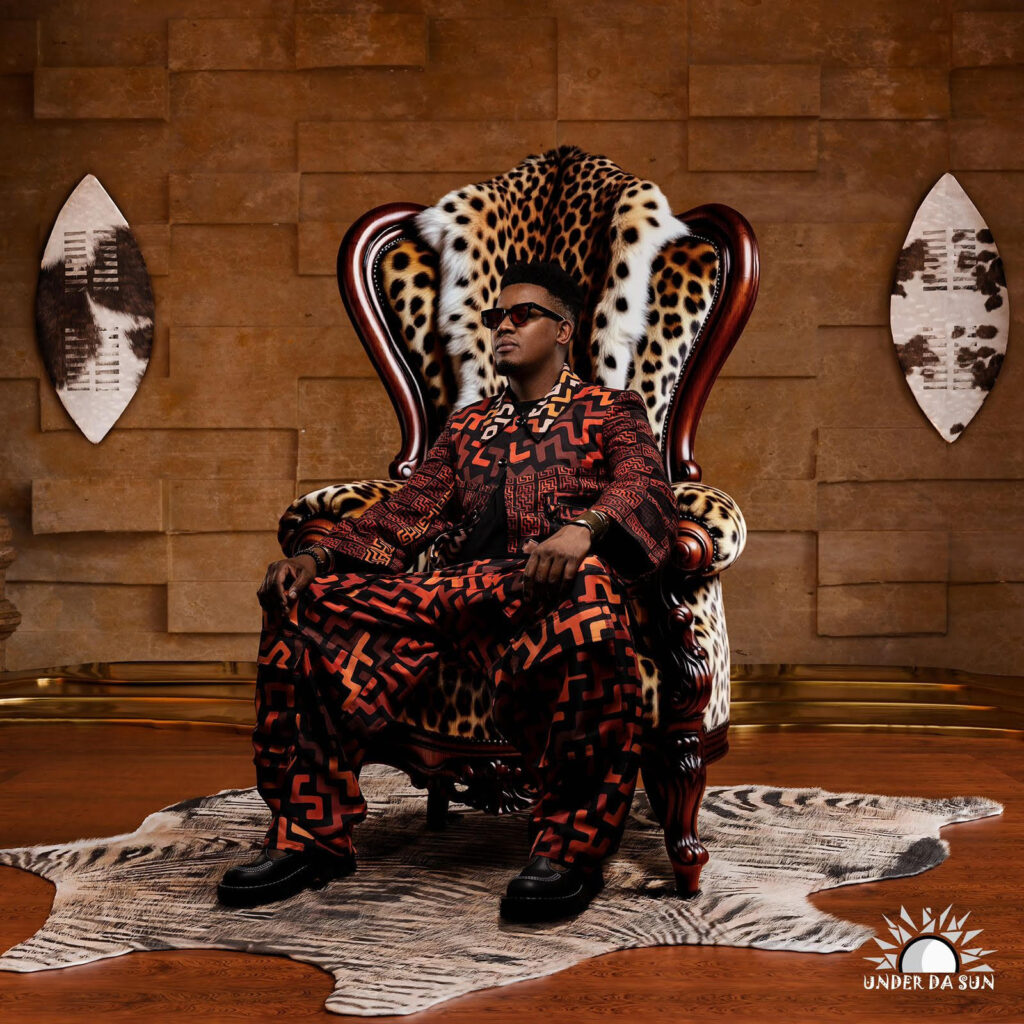
Sun-El Musician | SUPPLIED
By the time the closing moments arrive, the journey feels complete. Not explosive. Not dramatic. Complete.
Under the Sun is Sun-El Musician at his most refined and emotionally articulate. It’s an album about presence, about choosing warmth over noise, depth over spectacle. And in doing so, it quietly cements his status as one of the most important architects of modern African electronic sound.
Words by Zimiso Nyamande


