


Grief does not announce itself the same way twice. Sometimes it arrives loudly, demanding space in a room. Other times it settles quietly into the architecture of a place, into the way light falls through a window, or the way a particular chord progression makes a listener feel like someone is still present even though they are not. Kabza De Small has always understood this.
What makes his new material remarkable is that he has found a way to build that feeling into music without ever having to explain it.
Tutu, his forthcoming album, a tribute to his late grandmother arrives with two lead singles released simultaneously, “Impilo”, a collaboration with fellow South African musician MKeyz, and “Khanya Njalo”, featuring vocalist Zawadi Yamungu. Taken together, the two tracks function less like standalone releases and more like a diptych, two panels of the same emotional painting, each illuminating a different dimension of the album’s central theme. That theme is deeply personal. Tutu is a sonic memoir, a tribute to the matriarchs whose love continues to echo through generations. Understanding the two singles in that context changes how you hear them. These are not club records wearing emotional clothing. They are genuinely devotional music. He establishes emotional range from the beginning, making clear that Tutu will not be a one-note project. The two tracks are in conversation with each other, and the conversation is worth following closely.
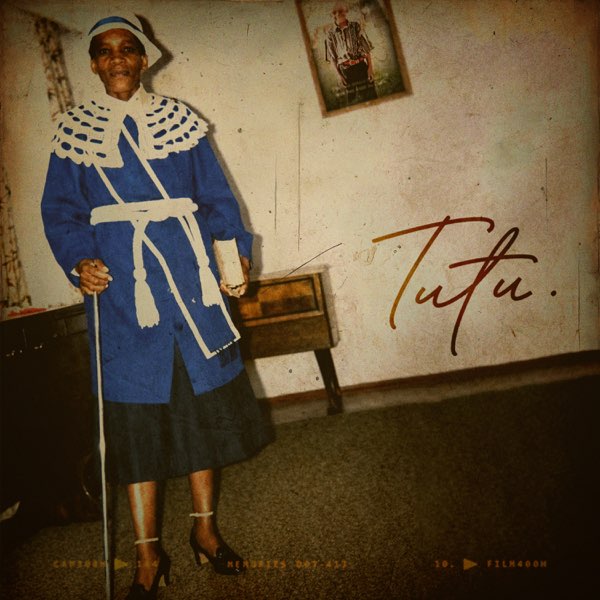
Tutu cover art | SUPPLIED
“Impilo” is the more interior of the two. The title means “life” in Zulu, but not life in the triumphant sense the word often carries in popular music. This is life as it is actually experienced, as something heavy and beautiful and non-negotiable. The production reflects that understanding. The opening is almost uncomfortably patient, warm piano chords suspended in a mix that feels deliberately uncluttered, as if Kabza cleared the room before inviting you in. The log drum arrives late and sits low. It does not drive the track. It anchors it.
That is a meaningful distinction. The log drum is amapiano’s most recognisable element, and the instinct among many producers is to place it front and centre as a signal of genre belonging. Kabza uses it like a foundation stone, present, load-bearing, but invisible once the structure above it takes shape. MKeyz moves through the track as though the instrumental is a place rather than a beat. The vocal does not perform. It inhabits.
“Khanya Njalo” is the turn. Where “Impilo” sits with the weight of loss, “Khanya Njalo” looks up from it. The title “shine always” is the kind of instruction grandmothers give. Not advice. A directive. You will keep shining. Zawadi Yamungu carries that directive with her voice, and the production opens up to meet it. The piano work here is warmer, the rhythm section more forward, the overall texture less sparse. There is still the Kabza restraint, nothing overplays, nothing chases the drop, but there is movement where “Impilo” had stillness. The emotional arc between the two singles mirrors something true about how people carry grief, you sit with it, then you stand, then you move, but the sitting was necessary for everything that comes after.

Kabza de Small | SUPPLIED
What holds both tracks together is Kabza’s understanding that amapiano is not simply a genre. At its core, it is a mood-delivery system, and mood, unlike energy, cannot be manufactured. It has to be felt first by the person making the music, or the listener will know. This is why so much contemporary amapiano, despite being technically accomplished, lands as hollow. The craft is there. The feeling is not. On “Impilo” and “Khanya Njalo”, the feeling arrives before anything else, and the craft quietly serves it.
The honest critical question, though, is one that follows Kabza wherever he goes at this stage of his career. His sonic language is now so established that it has become, in a sense, its own genre within a genre. The lush chords, the spiritual vocal textures, the slow-burn patience of the arrangements, these are not just stylistic preferences anymore. They are expectations. And expectations, even when met beautifully, carry diminishing surprise. The question is not whether Kabza can continue to execute this aesthetic with integrity. He clearly can. The question is what happens when the architect decides the building needs a different shape entirely.

Kabza de Small | SUPPLIED
That question belongs to a future project. For now, Tutu announces itself through two singles that are quietly, deliberately extraordinary. Extraordinary, in the way that it stays with you long after you are done listening to it. The kind of music that does not ask for your attention immediately but earns your reflection later, when you are somewhere else entirely and a particular chord comes back to you uninvited.
Kabza De Small is making music for that moment. In a landscape built around the instant, that is either the most stubborn or the most courageous creative decision a producer can make.
Words by Zimiso Nyamande


