


The release of “Define My Name” on the 19th of April 2024 was the gradual and comforting realisation of a prophecy purist hip-hop heads spent decades waiting for. Long-awaited and teased since the 90s, a Nasty-Preemo collaboration album was often spoken about with the air of a mythical cryptid—something said to exist and a curious object of mass musical fascination for which there was hardly ever any evidence of it being an actual thing. The scintillating drop of “Define My Name” changed that, with the song’s dynamic lyricism from Nas and Preemo’s signature scratch-imbued production bookended with the promise that the album was still “going to happen.” And happen it did.
On the 12th of December 2025, Light-Years finally saw the light of the day, with Queensbridge icon Nasir “Nas” Jones linking up with long-time collaborator and Texan veteran producer DJ Premier for the first time in album mode. Fresh off his Grammy-winning three-year run with California beat master Hit-Boy (a stint which yielded six albums across the King’s Disease and Magic trilogies), the album is Nas’s seventh collaborative project in the 2020s, extending his prolific rebirth in style and proving that at 52, a man can still reimagine what feeling young truly is.
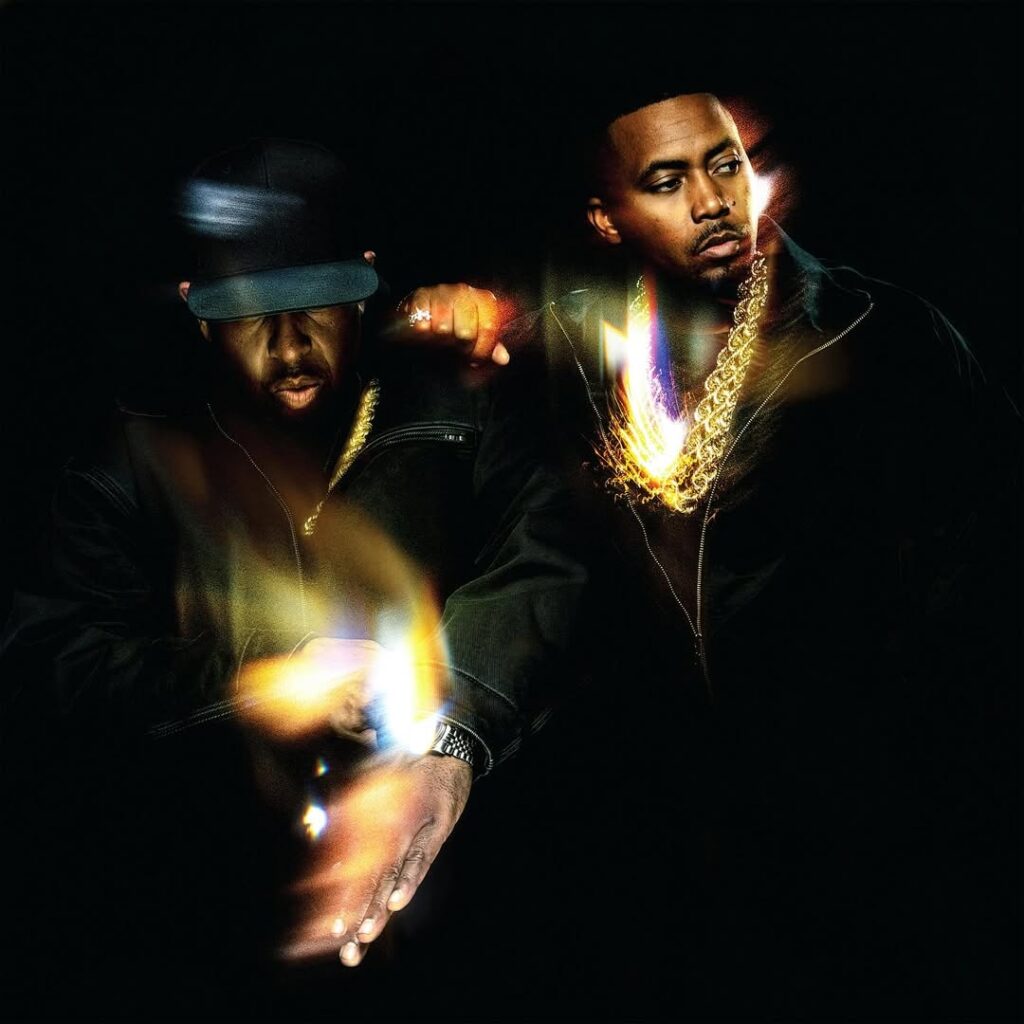
Light-Years album cover | SUPPLIED
Unlike his three-peat with Hit-Boy, the music in Light-Years is old-school in its interpretation of hip-hop fletched with the Houston-born producer’s trademark scratches. Touched with small puffs of soul and R&B, the album is stylistically ancient, with boom-bap making an appearance as well gritty production that hearkens all the way back to the days of Illmatic (1994), an album which is an appreciable influence as seen in some interpolations from the seminal debut along with some tidbits broken off the sound. Truly, Light-Years is Nas reverting to his previous form before his 2020s makeover.
Throughout the fifteen-song spectacle, God’s Son showcases the blind gleam of his penmanship with the worldview of a wealthy Black man who not only knows his worth but also cherishes—and aspires for the—uplifting of the Black community. This is old-man rap, to put it bluntly but without giving such a derogatory sting. The songwriting is laced with life lessons, financial wisdom, edifying narratives rich with Nas’s experience through the years. However, the heaviness of life doesn’t cause the music to sag—the content enriches the vigor of the output. If anything, much like the song “3rd Chilhood”, Nas exemplifies that age means nothing with the legend flexes poly-syllabic rhyme schemes, half-rhymes, internal rhyme combinations and wordplay that sets him apart as one of the world’s best at the moment and easily one of the all-time greats.

DJ Premier and Nas (from left to right) | SUPPLIED
On Light-Years, Nas simply does with he does best, which is to tell stories with emphatic performances and a gusto he hasn’t lost an ounce of over the past three decades of his career. His keen eyes for the street life dominates “NY State of Mind Pt. 3”, which samples and interpolates some content from the original classic released in 1994—in a way, the song echoes its ancestor with its grimy production and graphic lyricism too vivid to leave anything to one’s imagination. Most of the stories on the album are reflections from his younger self, such as on “Pause Tapes”, “Writers”, as well as “Nasty Esco Nasir”.
A man of the community, Nas also shows love to the Black boys of the world with “Sons (Young Kings)”, impressing it upon the listener that the little ones deserve love and to experience healthy relationships. Jones also explores the celebration of women on “Bouquet (To the Ladies)”, with the rapper paying homage to all the women who have had an impact in his life and his career, while giving special shoutouts to Doja Cat, Ice Spice, Azalea Banks, Coi Leray, City Girls, and Sexyy Red, among others.
Listen to “NY State of Mind Pt. 3”:
What would the Cryptocurrency Scarface’s album be with a little preening about his inimitable abilities such as on “Git Ready”, furnished with braggadocious bars about business and big money, or “Madman”, where he beats his chest about predating the likes of late greats such as Pac and Biggie or even “Junkie”, where he likens his propensity for rapping to a drug addict’s need for their next fix?
Light-Years is a dense listen from a masterly wordsmith and a producer with the skill to match his mate. Its legacy remains at the hands of time, but one thing’s for sure, history has already been made.
Preview Light-Years:


