


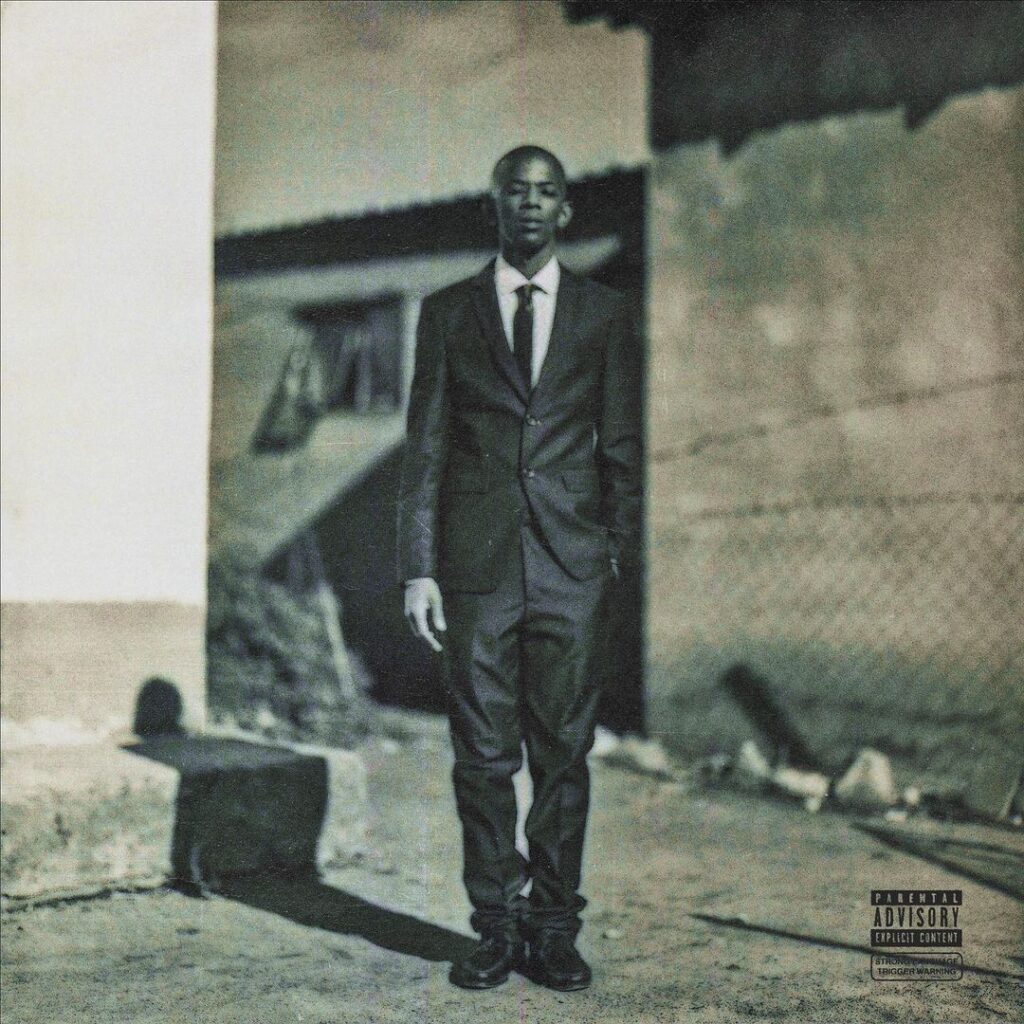
After hitting multiple home runs as South African hip-hop’s cheat code feature, 018’s finest wordsmith, Maglera Doe Boy, has finally unleashed his highly anticipated debut album, Diaspora. The twelve-track montage cinematically paints pictures of township chronicles, and Maglera plays the protagonist and corner store connoisseur. Walking in the footsteps of Motswako originators such as Khuli Chana and the late HHP, the raconteur recounts compelling tales about street dreams and the struggles of the less privileged in South African townships.
Township Chronicles
Reporting live from the corner, Maglera narrates “the memoirs of skebekwas (criminals)” in the album’s genre-bending track “Goni”, featuring songstress Miss Ready and Halo Yagami. Produced by sonic genius MashBeatz, the euphonious song is an eclectic fusion of soul, R&B, and hip-hop, with occasional hypnotising log drums that simulate amapiano. Maglera tells stories of hopelessness that manifest as crime and lawlessness in the township. In the song’s chorus, Miss Ready mentions crime-related words such as “dubula (shoot)” and “khuthuza (rob)”, reinforcing the song’s theme of lawlessness. Further painting a grim picture of how the social hierarchy puts townships at a disadvantage, Maglera says: “Why the black kid always ends up at the stasie (station)?”, alluding to the high incarceration rate of young Black men in South African townships.
The complex township is further explored in the album’s lead single, “Makazana”. Comprising a percussive bass, the vibrant song ushers us in with news report recordings about the scourge of crime in Kanana, his North West hometown. The poetic emcee utters the words “You are now tuned in to the township” before taking us on an imaginative expedition around his hood, showcasing all its facets – the good and bad. Maglera embraces his Kanana roots in the upbeat track but makes it crystal clear that he doesn’t want to spend the rest of his life in the embattled township, rapping: “I spent my life in this township, but I don’t want to die mo Makazana.”
Dreams Money Can Buy
Doe Boy explores the dichotomy of a grimy come-up and the pursuit of luxury in the album’s groovy track “Banyana”, featuring singer KayGizm. Expressing his desire for the finer things in life, Maglera raps: “me, I’m from the trenches, but I like ballin’.” The laidback track sees the lyricist give us wordplay through lyrics such as: “Game like Juventus” and “n*ggas talkin’ funny, ke bo Loyiso Gola.” Maglera also spins a yarn about a love interest with expensive taste, rapping: “Shawty from the trenches, but she likes prawns / mimosas in the morning.” Surprisingly, the emcee shies away from calling her a gold-digger: “[I] know what it’s like to want more.”
Made In His Image
Themes of religion and spirituality are a regular occurrence in Maglera’s work. The emcee shows a glimpse of his sentimental side in the provocatively titled KayGizm-assisted lead single “God Is A Black Woman”. Pouring his out to his lover, Maglera sings: “Don’t know Modimo (God), but I know a goddess.” Doe Boy also croons “I pray to you” in the serenade’s chorus.
Ironically, Maglera proclaims his faith and belief in a higher being by reciting a prayer in the album outro, “Thapelo”. The emcee raps: “Made in His image / I love all my features”, which alludes to the religious belief that human beings are made in God’s image. Maglera also acknowledges that prayer and spirituality are subjective by rapping, “It don’t matter who you believe in, live life purely, and ska lebala go rapela” (don’t forget to pray).
The rising sun’s hoarse voice and masterly storytelling captivate the listener, setting in motion a painterly experience of Mzansi’s township realities. Aside from flaunting his lethal pen game, Diaspora showcases Maglera Doe Boy’s versatility which had somewhat been hidden in the shadows before his latest montage. The artiste graces us with Shakespearean hood raps in “The Running of the Balls”, featuring 25K while getting us in our feelings with heartfelt ballads such as “Dor Do Povo”.


