


Lesotho-born singer-songwriter Maleh is entering a deeply reflective new era — one defined by surrender, sonic bravery and spiritual clarity.
Her latest album, Dithapelo, is not just another addition to her catalogue. It is, in her own words, “an offering” — a body of work shaped by prayer, personal conversations with God and a renewed commitment to creative freedom.
Rooted in her Basotho heritage, Maleh has long been known for weaving Afro-soul, Afro-pop and gospel textures into music that feels both intimate and expansive. But on Dithapelo, she pushes that signature sound further, allowing herself more room to experiment while remaining anchored in the neo-soul warmth her audience knows and loves.
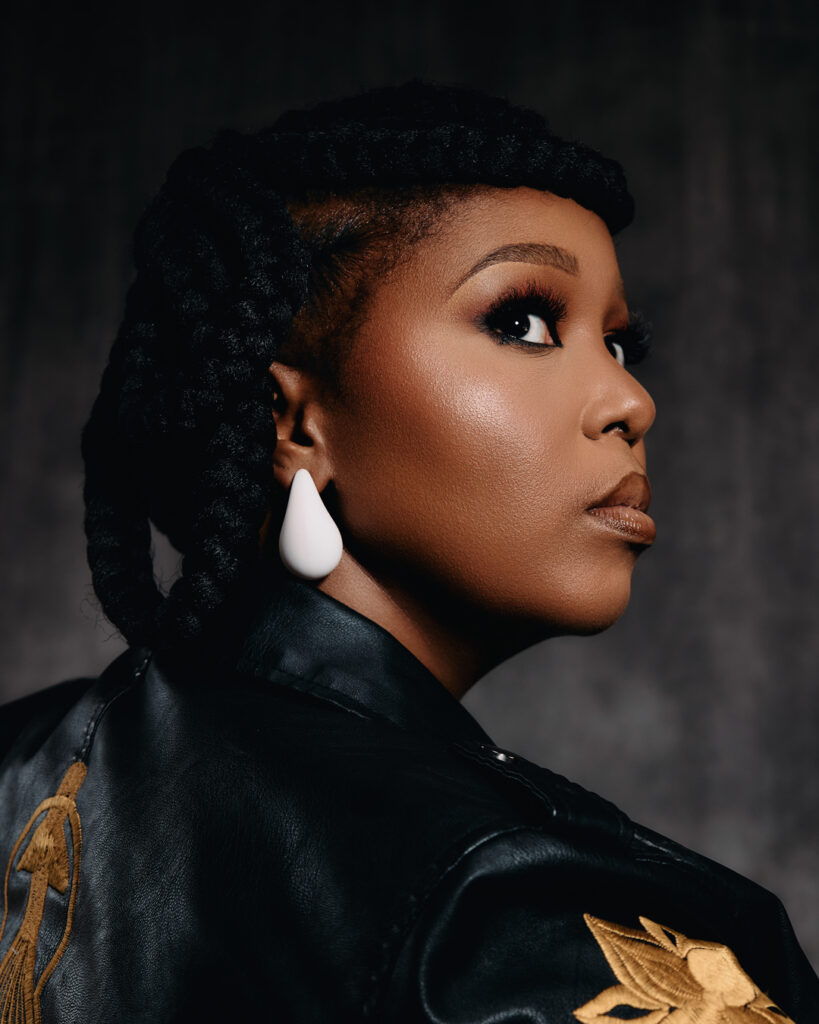
Maleh | SUPPLIED
At the heart of the album is her continued collaboration with producer Goldsmith on the Beat (Lerato Laka). Their creative partnership, now on its second full project together, provided what Maleh describes as a safe and fluid studio environment.
“We’ve developed such a great relationship in the studio,” she explains. “There’s a real understanding of how our creative processes work, which makes it easy to be open to all the different ideas that come up.”
That openness becomes one of Dithapelo’s defining themes — both sonically and personally. While much of the album carries Maleh’s introspective fingerprint, she intentionally broadened the project’s emotional and sonic palette through carefully chosen collaborations.
The title track features rising Mosotho Afro-pop artist Mzizi, while Moya oa Hao brings in the rich vocal presence of Siphokazi. On the more rhythm-forward side, “Bula Ditsela” sees her stepping into amapiano and dance territory alongside Kamoh Xaba and Kamza HeavyPoint. There is also a poetic layer added by Botswana’s Kelesitse Walebowa, giving the project a textured, pan-African feel.
“It’s been a while since I’ve collaborated with other artists,” Maleh says. “So for this project to have three collaborators, it is pretty exciting for me. It brings such a beautiful colour.”
Listen to “Bula Ditsela”:
Perhaps the album’s boldest moment arrives on Jonna Oe, where Maleh deliberately disrupts listener expectations.
Sung in Sesotho but carried by a distinctly Mali-sounding guitar arrangement, the track embodies the kind of cross-continental fusion she felt newly free to explore.
“When you listen to the instruments, you would not expect the Sesotho on that particular sound,” she notes. “That creative fusion is something I’m really excited about.”
Yet even as she experiments, Maleh is careful not to abandon the emotional core that built her following.
“A big part of how audiences have experienced me still remains in the music,” she says. “The soul of Maleh — that neo-soul factor — is still very big in the project.”
Lessons in Letting Go
If there is one personal breakthrough that shaped Dithapelo, it is the lesson of creative release.
“The process taught me not to restrict myself,” Maleh reflects. “I really allowed myself to flow. I let go a lot more than in previous times.”
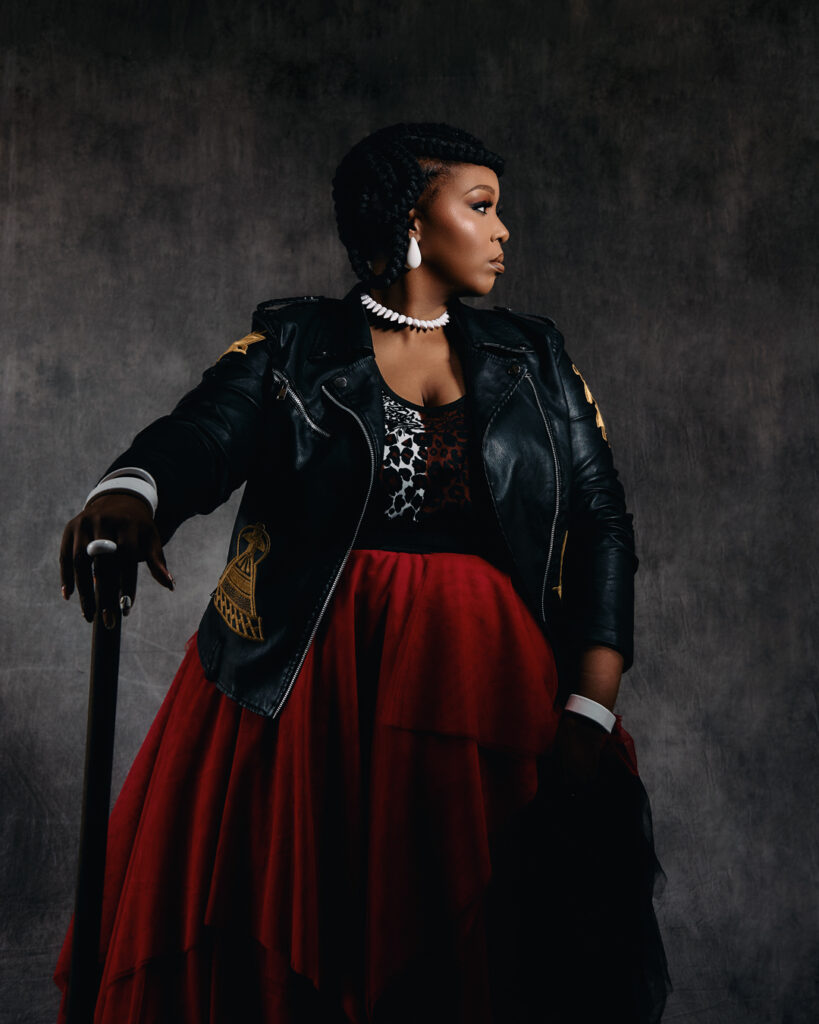
Maleh | SUPPLIED
That freedom did not come without cost. As an independent artist funding her own production, the album demanded significant financial and emotional investment — a reality she speaks about candidly.
“There is a resilience that comes with it,” she says. “A determination and sacrifice. When you decide to go for something, you make sure it happens, regardless of the pain that comes with it.”
In an industry often driven by trends, Maleh remains intentionally grounded in self-definition. Even when stepping into newer sounds — including the three-step dance energy of “Bula Ditsela” — her compass remains internal.
“I just do what I feel most comfortable doing creatively,” she explains. “Exploring is what I do, but being authentic when I do it — that’s what keeps me anchored.”
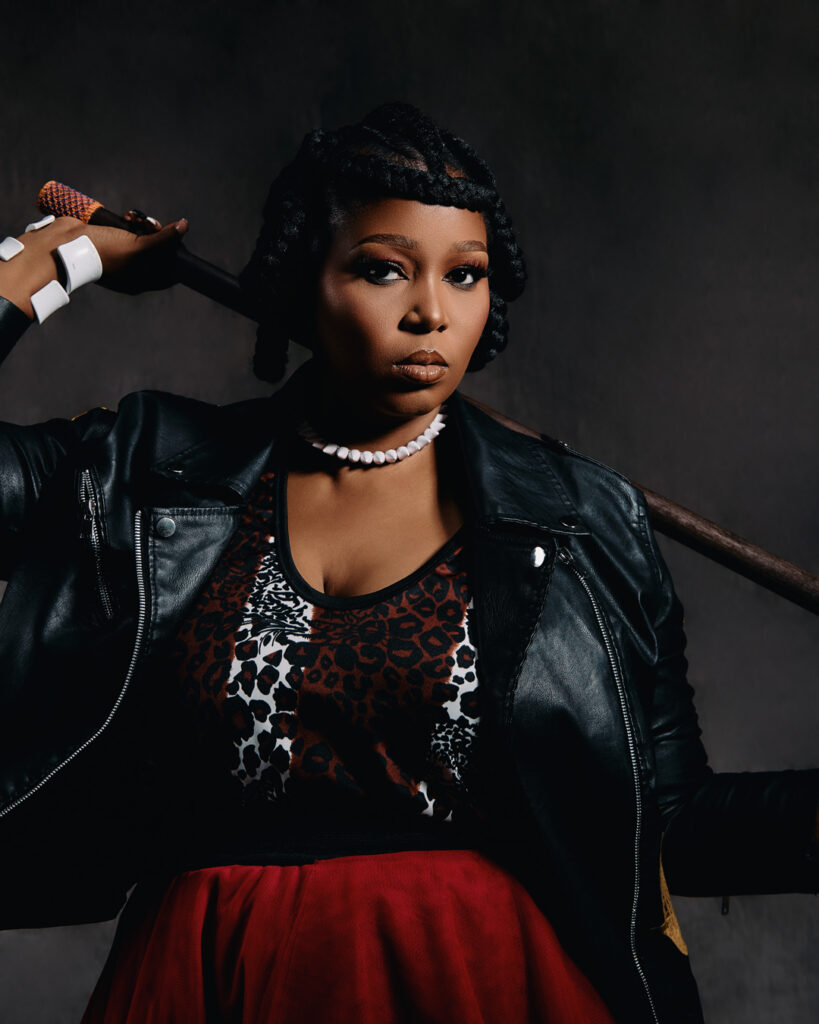
Maleh | SUPPLIED
Across its 16 tracks, Dithapelo moves deliberately through varying tempos and emotional states. It opens gently with “Kgotso le Lesedi”, drawing listeners into what Maleh clearly frames as a worship-centred body of work, before gradually introducing more groove-driven moments.
“It’s an opportunity for people to worship, to praise, to dance, to feel,” she says. “I trust and pray that people will be uplifted and reminded of God’s love.”
With Dithapelo, Maleh does more than release new music — she offers a vulnerable, faith-soaked chapter that finds her balancing experimentation with spiritual stillness, and independence with intention. And if this project proves anything, it is that Maleh’s greatest evolution may be her willingness to finally create without fear.


