


There is a certain kind of confidence required to make a lead single feel less like a promotional tool and more like a thesis statement. With his new visual release for “H1/Inhliziyo Ye Sqhwaga”, Lowfeye does not approach the camera like an artist trying to announce himself. He moves with the assurance of someone already aware of the emotional world he wants to build. The music video attached to the album’s lead single feels intentionally cold, distant at times, but never empty. That distinction matters. Too many emerging artists mistake detachment for depth. Lowfeye understands that atmosphere only works when there is tension underneath it, and throughout the video, tension becomes the language driving every frame. The visual never begs for attention, it earns it slowly.

Lowfeye | SUPPLIED
Sonically, the track operates in that blurry intersection between alternative trap, ambient melancholy, and internet-era emotional rap. But what separates Lowfeye from artists merely borrowing from those aesthetics is how internal the performance feels. His delivery is restrained, almost emotionally compressed, as if every line is fighting against numbness. The production leaves deliberate space around his voice, allowing silence and texture to become part of the storytelling. Rather than overloading the listener with hooks or dramatic vocal runs, the song leans into repetition and mood as psychological devices. The result is hypnotic. It feels less like a song demanding replay value and more like a state of mind gradually consuming the listener.
Visually, the music video understands modern alienation with unusual precision. The framing, movement, and pacing all contribute to a feeling of emotional dislocation. Even when Lowfeye occupies the center of the screen, he appears spiritually detached from the environments around him. That becomes the video’s strongest idea, presence without connection. The cinematography avoids excess glamour, choosing muted aesthetics and controlled emptiness over overstylized chaos. In an era where many underground visuals are obsessed with rapid edits and algorithmic stimulation, this video succeeds because it trusts stillness. It allows moments to breathe. That patience gives the imagery weight.
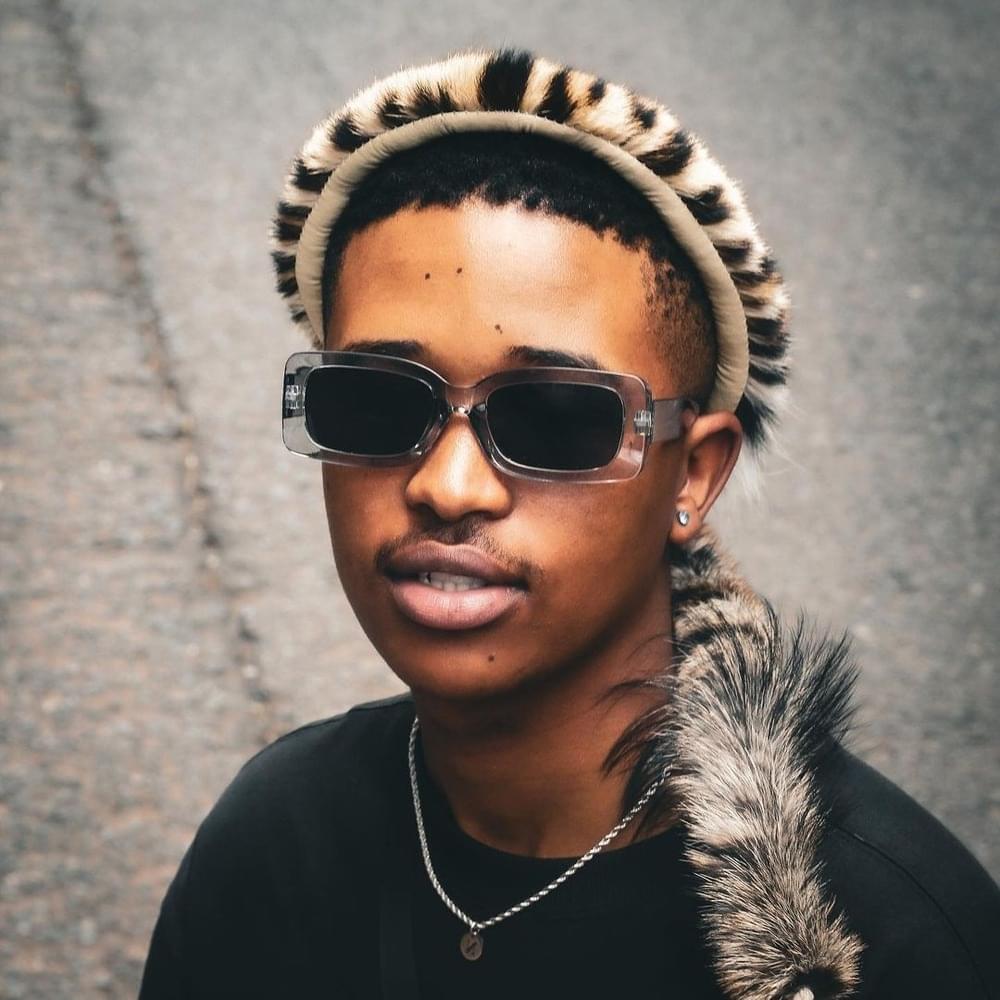
Lowfeye | SUPPLIED
What makes the release compelling beyond aesthetics is its sense of identity. A lot of artists influenced by internet-born alternative rap often disappear into imitation, recycling the emotional vocabulary of artists like Playboi Carti, Yeat, or Destroy Lonely without adding personal architecture. Lowfeye avoids that trap by grounding the performance in emotional realism rather than aesthetic cosplay. There is a believable loneliness running through both the music and the visual language. Not performative sadness, not carefully curated “mysterious” branding, but the exhaustion of someone navigating detachment in real time. The song feels aware of how emotionally fragmented young masculinity has become, especially online, where expression exists but genuine intimacy rarely survives.
As a single, “H1/Inhliziyo Ye Sqhwaga” succeeds because it establishes tone more than narrative. It does not reveal everything about the album, instead, it creates curiosity around the emotional universe Lowfeye intends to explore. That is the mark of a strong opening statement.
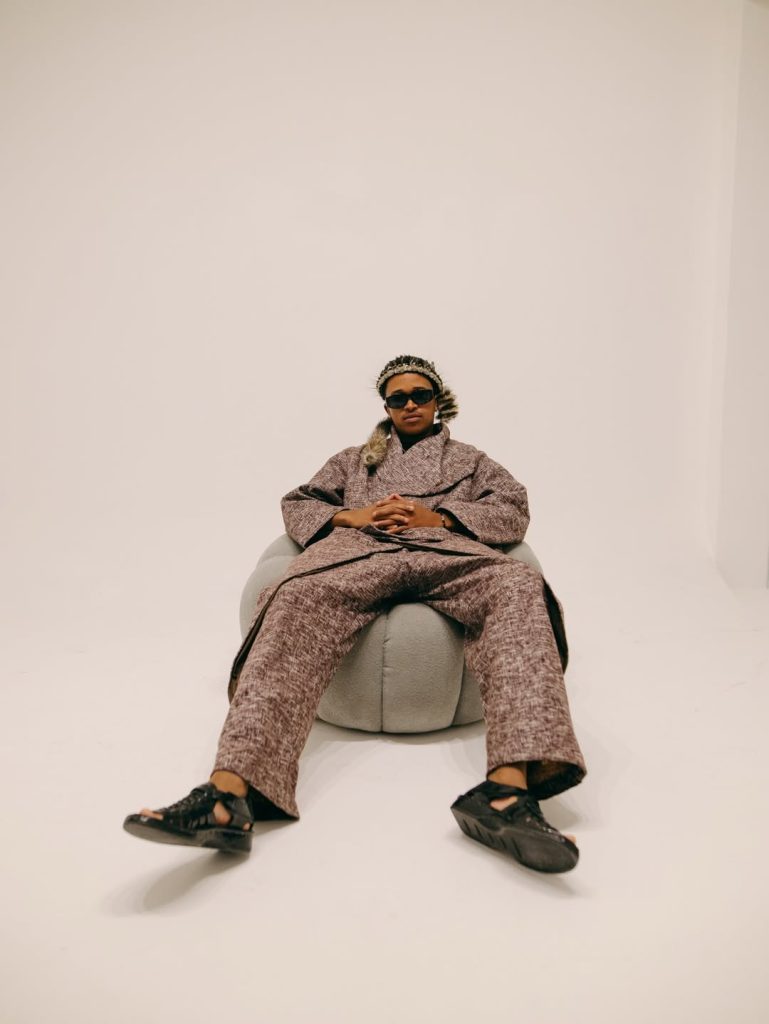
Lowfeye | SUPPLIED
The track and video together suggest an artist more interested in world-building than chasing immediate virality. Whether the full album reaches the same emotional consistency remains to be seen, but this release already proves that Lowfeye understands something many emerging artists do not, style only matters when it is attached to emotional truth. Without that, visuals become decoration. Here, the visuals become psychology.
Check out the song:


