


Coming in last among the generation’s famed Big Three of American hip-hop with an album release post the 2024 beef, Canadian superstar Drake has released his long-awaited Iceman, his ninth studio album and the first of the trilogy he dropped alongside Habibti and Maid of Honor.
So many albums deep into his career, Drake has scaled enviable heights during his feature-killing era of 2011 to 2015, embraced and reinvigorated pop-influence within the rap game and weathered a few beefs here and there, with some noteworthy scalps like Meek Mill and heavy losses to Pusha T and most recently Kendrick Lamar. Aubrey has had a full and successful career with sales, records, and accolades to back this up. There’s no much to do once the summit has been surmounted and when all the trails passed have been marked off as explored. Graham knows this, and he compiles his experiences into an unusually dense body of work that reads with the solemn consistency of a journal, which should make the album strong overall, but not exactly because of a number of questionable bars and shallow framing.
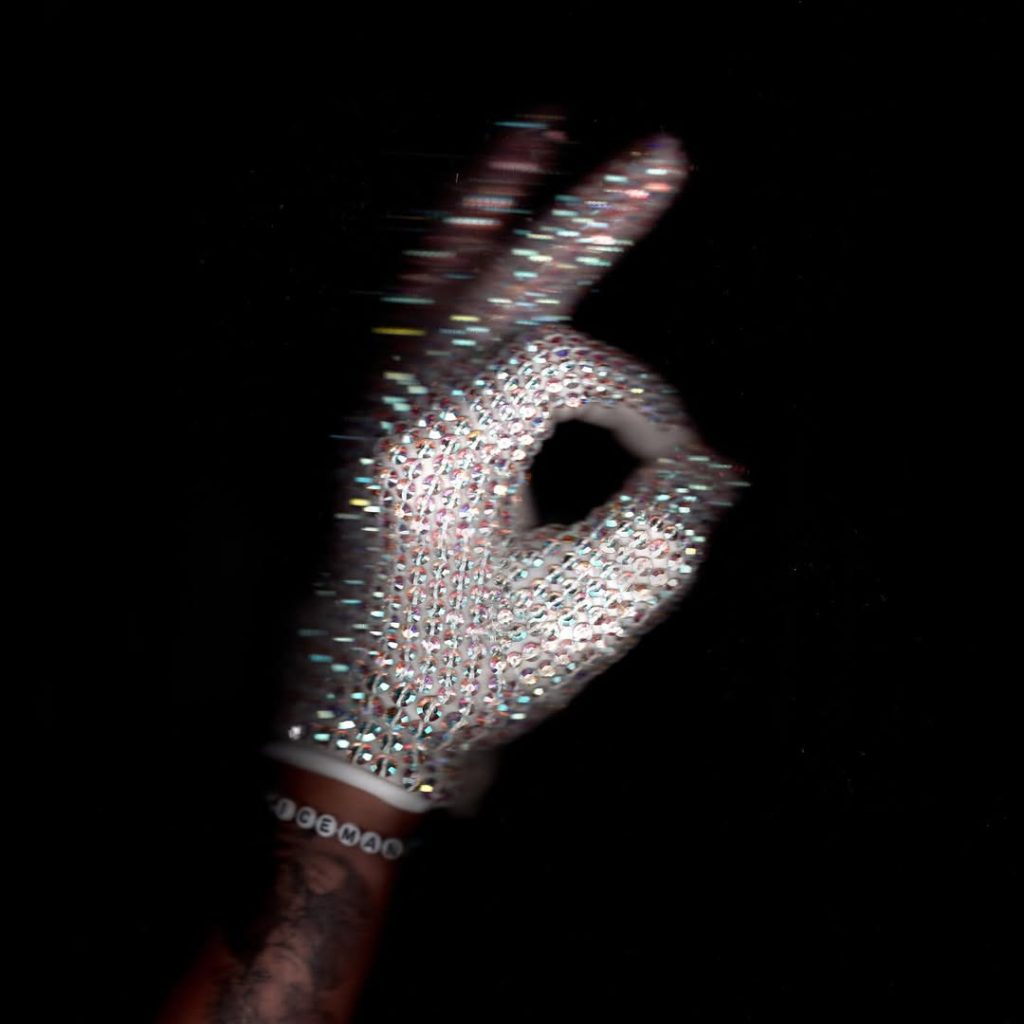
Iceman album cover | SUPPLIED
Vulnerability is the foundation of the album, which is the opus’s defining quality in a good and in a detrimental way. In the former sense, it is because of Drake’s unbreakability over the years filled with relentless challenges, and in the latter sense, it’s because of Graham’s poor and plainly narcissistic framing that makes him painting himself as a survivor something that elicits a roll of the eyes rather than a contemplative nod of respect.
Wearing his heart on his sleeve, “Make Them Cry” is a strong and emotive performance that continues Drake’s tradition of crafting epic openers, and this one sits close to the near untouchable echelon of 2013’s “Tuscan Leather”. With retro production values and beat switches, it’s the perfect storm for Drake to offload, setting the tone with themes of betrayal, discovery of self, the meaning of family as well as his father’s battle with cancer.
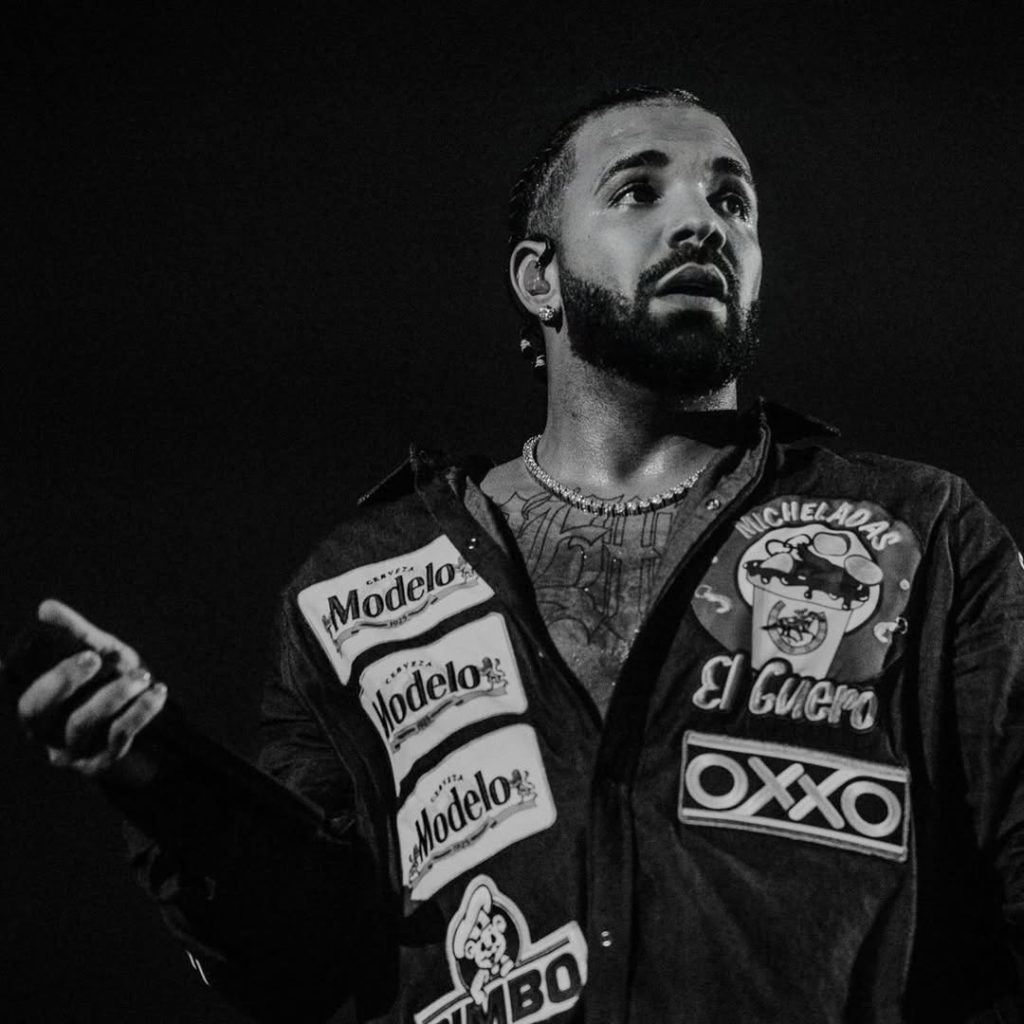
Drake | SUPPLIED
“What Did I Miss?”, arguably one of the several high points of the projects, was released as another guiding star for the project. Sequencing and subject matter scope considered, the song is a mere brushstroke in the grand artwork of 2024 beef recollection alongside songs such as “Make Them Remember” and “Dust”. Add “Make Them Pay” and “Burning Bridges” to that basket and the intent is clear: there is a guillotine erected for every single traitor who either threw a stone or their hands up during the battle royale against Lamar two years ago. J. Cole, Rick Ross, A$AP Rocky and DJ Khaled—the disses are hardly sneak attacks; the added context adds enough colour to eliminate any element of ambiguity. Graham wants nothing to do with any of these people he regards as phonies even though it would serve him well to look at himself in the mirror before labelling people first. And while this particular side of Drake is two years too late, the revenge feels justified, even though the direct approach is schoolboy-ish since he already put his feelings on wax with “Family Matters” and “Push Ups”.
The greatest flaw of this album is the backwards thematic scheme the songs follow, with most of the album being based on the obsessive desire to rewrite the events of 2024 in feeble attempts to sway public narratives about him and to revise history rather than revisiting it with a positive and progressive outlook. Whether he’s trying to shrug off pedophile allegations from five-time Grammy-winning smash diss single “Not Like Us” or going back to the bar about him running to Atlanta (he even has a song on the album named “Ran to Atlanta”) to get a feature, Iceman’s tendency to look back doesn’t feel introspective, let alone mindful. It paints a picture of emotional retardation, and every time Drake tries to flip Kendrick Lamar bars about him, the failure only strengthens those same appraisals of him. After all, how could it be that the world’s biggest music star still hasn’t gotten over “What is it, the braids?” when there are far more important things to address with his music? Priorities altogether skewed.
Check out “What Did I Miss?”:
Glimmers of something that remotely resemble anything like heydays Drake shine only when Drake focuses on having fun and making good music to dance and vibe with. “Janice STFU” and “Ran to Atlanta” and “B’s on the Table” are special exhibits of this phenomenon, and it’s in groovy and upbeat songs with club-friendly production that Graham seems to be worried less about everything that has happened and is happening to him. In these asymptotes of unfiltered fun moments of relative peace, he is just as on song as he is when he is sombre and talking about his life problems without making excuses for his mistakes or cadging for sympathy with entitlement.
Core Drake fans will appreciate this, which isn’t exactly a compliment to the album because the fanbase is used to a diet of monotonous slop that has little nutritional value on the lyrical side of things. And while it’s not all bad, it has its shining moments, but the quality of the content in the grand scheme of things doesn’t justify the two-year wait for this project and it’s certainly not a redeeming album like J. Cole’s The Fall-Off or a strong bookending album post the beef like GNX. Iceman is just an alright album, and in the context of things, that’s as good as saying it’s not worth a listen unless you have nothing inherently interesting or important to do with your life instead.
Preview Iceman:


