


The 7th of August 2026 marks a new chapter for Grammy-nominated jazz singer-songwriter Somi Kakoma with the release of What Does It Take to Bloom?, her first record since Zenzile: The Reimagination of Miriam Makeba (2022). Exploring self-discovery and returning to oneself as the answer to the question of belonging, the pages of Somi’s current pages might’ve been culled in Nigeria, Senegal, France, and the United States, but the message of finding a home in oneself is the universal call that binds the record.
A cosmopolite of East African descent, and has touched grass in Zambia, Kenya, Tanzania, and the United States, Somi talked about her rich history. Though she struggled to describe herself, it wasn’t for a lack of self-knowledge but because of the complexity of the personage behind the musician.
“I find it hard to talk about myself from the angle of being a musical persona, but if I were to talk about who I am, I am a girl in love with poetry, storytelling, performing and the magic of being on stage. I also see myself as someone who tries to listen to her heart and is a lover of family, community, and Africa as a whole. Beyond that, I think of myself as a global citizen who is unapologetically proud of my identity and the histories I’ve lived and survived,” she said.
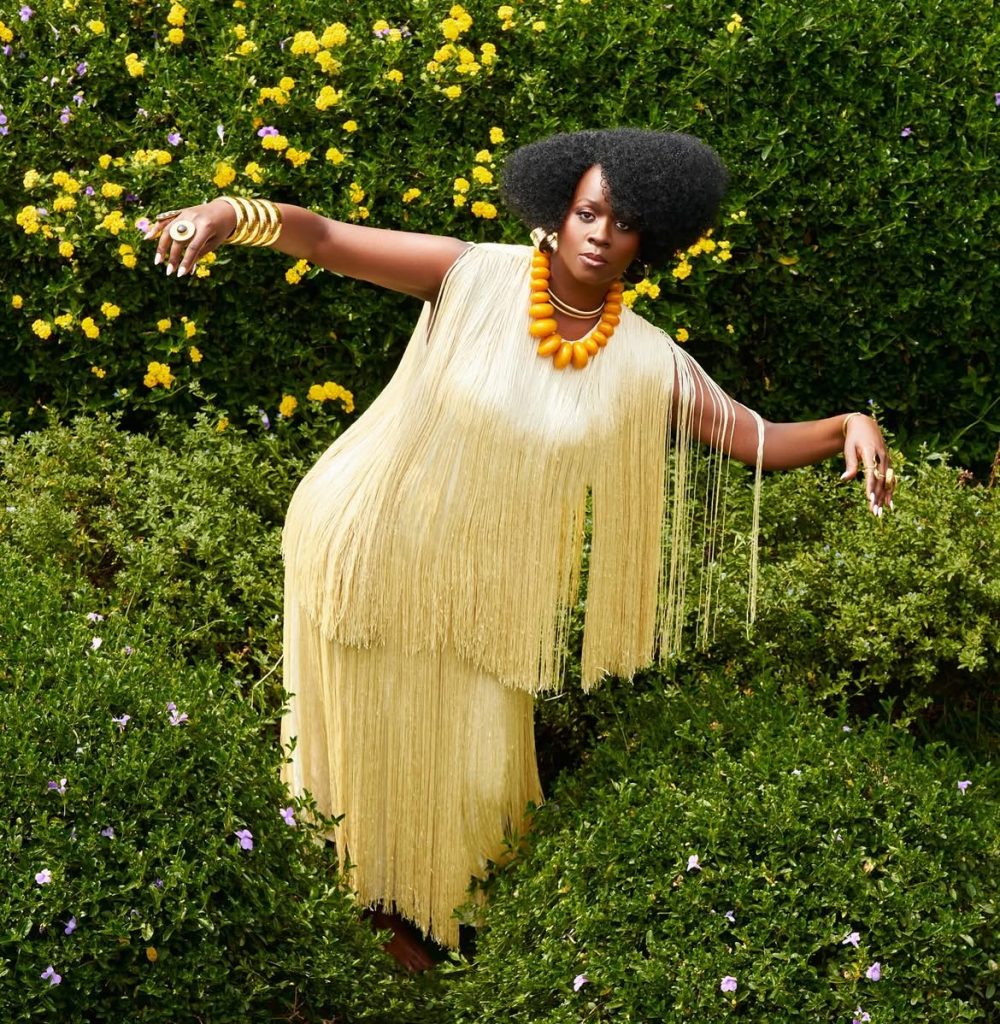
Somi | SUPPLIED
Written while in Nigeria and released for the love of summertime, Somi released “Sometimes Love” as the second single leading up to her studio album What Does It Take to Bloom?. Recorded as the first song of the album, she talked about the thinking behind the drop and the reason for choosing the record to pave the way for her project.
“I chose my second single because the warmth of it feels like what I’d like to offer in this moment. ‘We’re All Falling’ was kind of a sober reflection on our shared humanity and the ways in which we need to extend grace to ourselves and to each other based on the amount of fleeting time we have and the things we go through. So the message behind the first single was a real one, and ‘Sometimes Love’ is about how love can show up at any moment in our life’s journey and that we need to remain open to it. I also decided to share it because it’s summer in the Northern Hemisphere, so I wanted to go with music that’s warm, and it also just so happens that the song was written under the heat of Lagos and recorded in New York,” she said.
The singer-songwriter shared what she hoped her listeners would take away from the single as well her opus in its entirety.
“I hope people will appreciate the open-heartedness and vulnerability behind the songwriting of ‘Sometimes Love’. The album itself is an invitation to encourage listeners to come home to themselves, to feel a sense of home in the music while witnessing me to come home to myself,” she said.
Listen to “Sometimes Love”:
Somi expressed the intentionality behind being an advocate of African music with the album.
“I’m a pan-Africanist at heart. While I do see myself as someone who is pushing the envelope for East Africa, I’m a representative of the whole continent. I’m grateful for the opportunity of representing where I’m from. This year I’m trying to be more intentional about being and living in Africa—not just coming to be here for a certain time. I’m hoping this work does more than simply being about representation and that it becomes a lot more about advocacy for African arts at large,” she said.
Generosity as well as giving back are at the heart of Somi’s motivations, with the crooner highlighting the desire to pave the way for future generations and being responsible for the quality of her ambassadorship.
“I’d like to believe there will be music in my heart until my last breath. I’d love to be remembered as someone who was a generous person—a person who gave to others and the less fortunate. That also comes in the shape of me being someone who is intentionally making space for other voices, artists, and creatives who will occupy the space I’m in sometime in the future. I have been blessed with being the first in many things, so I’d like to believe that I will not be the last as well.
“There’s a need to count more African voices in the global jazz economy as important. I think people in the international space truly know about jazz, jazz-adjacent, and heritage-rooted alternative music being made in the continent in an abundant way. There are a few jazz acts from the continent breaking into the global space, but I feel like there are so many more of such musicians just waiting to be discovered in this continent. I would like to be someone who contributes to this as a whole. As the first African woman to be nominated in a jazz category of the Grammys is a responsibility all in itself—it means being intentional about building the bridge between African music and the world,” she said.
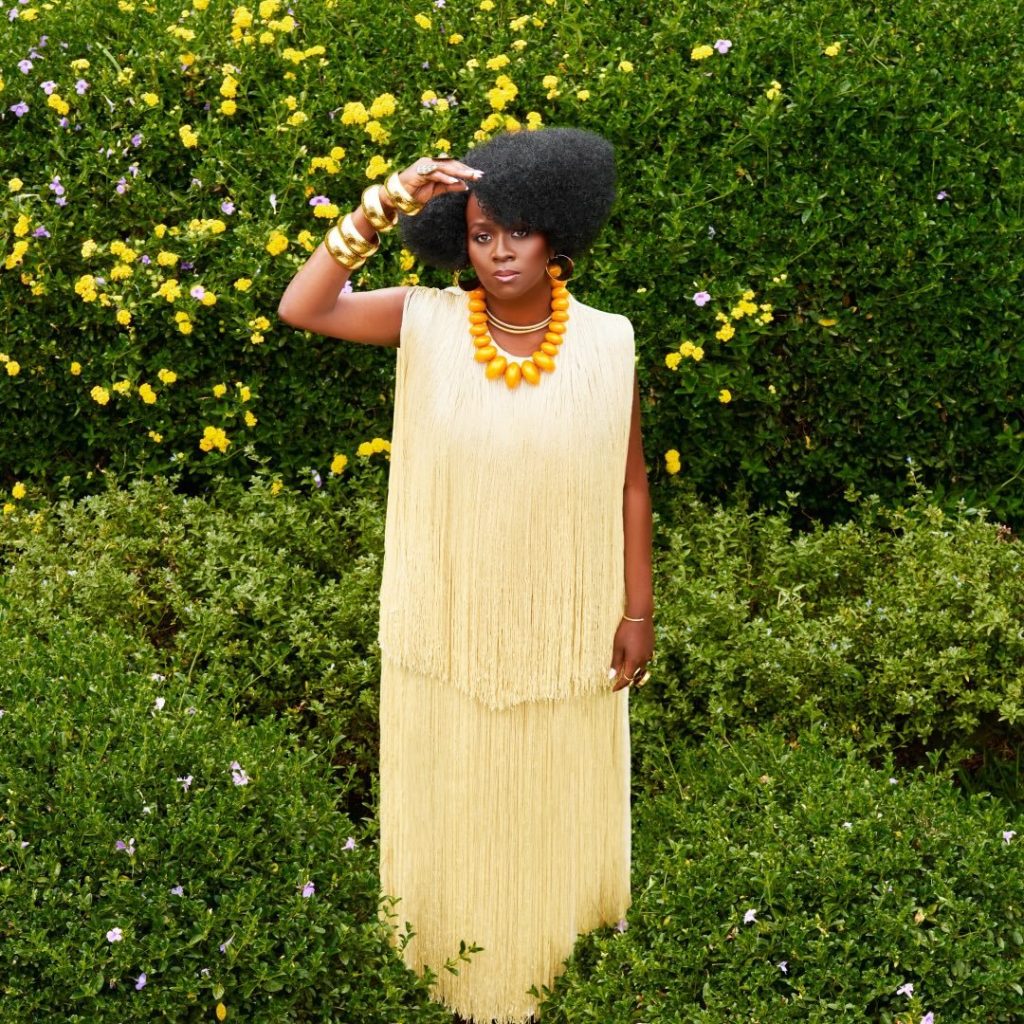
Somi | SUPPLIED
The jazz muso spoke about the evolution and growth and what it takes, according to her, for artistry to grow authentically.
“As an artist, when you think about yourself, you have to think about the extension of that creative practice. What are the things that shift, inspire, motivate and evolve around that practice and yourself? I’m someone who loves all kinds of music, and I think that to grow as a musician, what’s important is to continue to surrender yourself and to stand inside of categories, genres and rooms that feel uncomfortable and to understand that from that discomfort can come growth. Because in that you also learn to stay true to yourself and to not follow trends and conform with the times,” she said.


