


Few artists have sustained a conversation about accountability with the consistency of Winky D. For more than two decades, the Zimbabwean artist has used music to question existing structures, examine leadership and confront the distance between the promises made to African people and the realities they continue to face. At the centre of his work is a difficult question, have the systems established in the name of progress delivered the freedom, dignity and opportunity that generations of Africans were promised? For Winky D, patriotism cannot be separated from the willingness to ask that question, even when the answers are uncomfortable. This makes him a true patriot, for a true patriot is not the one who defends the status quo, but the one willing to challenge it for the greater good of the people.
Born Wallace Chirumiko, Winky D has played a defining role in the evolution of Zimdancehall and Zimbabwe’s contemporary music landscape. Over two decades, he has built a body of work that examines identity, leadership, accountability and human dignity while producing records that have become part of the country’s cultural memory. His connection with audiences has endured because his music recognises the contradictions of everyday life, giving expression to the frustrations, aspirations and experiences of ordinary Zimbabweans. His work has consistently demonstrated that music can serve as entertainment while creating space for public reflection.
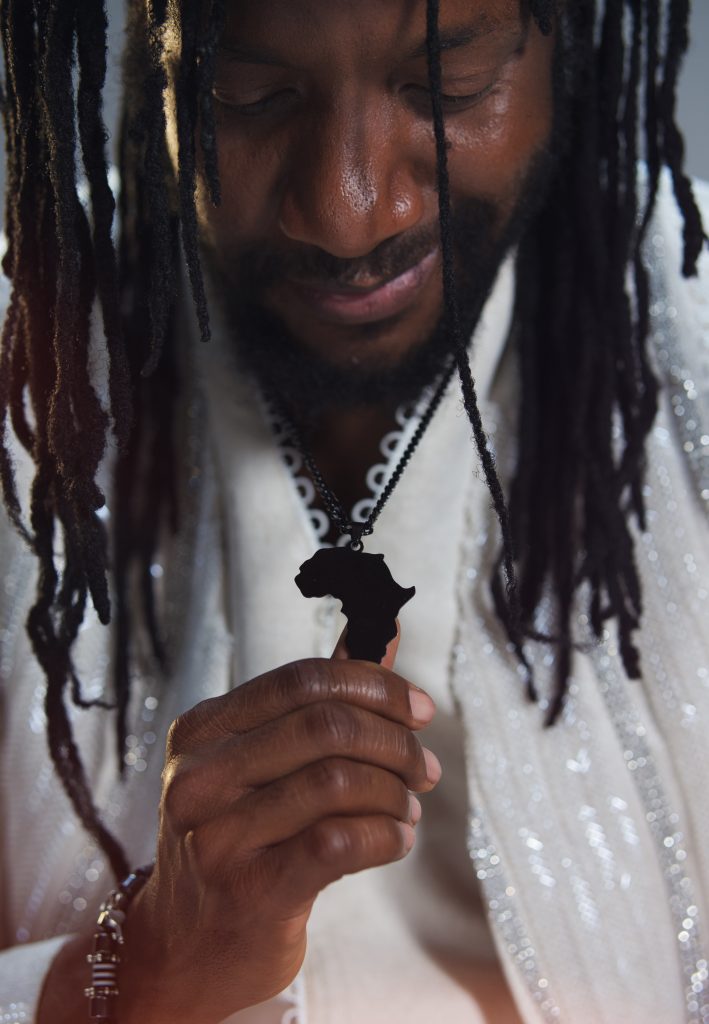
Winky D | SUPPLIED
With Tête-à-Tête (Hello Africa), Winky D extends that conversation beyond Zimbabwe, examining the experiences that connect African societies despite their different histories, languages and political circumstances. The album brings together roots reggae, socially conscious storytelling and cross-continental collaboration, with contributions from Nigerian artist Patoranking, Ghanaian reggae musician Rocky Dawuni and Raybekah. Across songs such as “Leadership” and “Blind Patriots,” the project examines the relationship between power, responsibility and national identity, asking listeners to consider what freedom means when people remain excluded from opportunity and what patriotism demands when the institutions entrusted with public welfare fall short. Its title signals an invitation to conversation, recognising that the questions confronting Zimbabweans are often echoed elsewhere on the continent.
In a conversation with The Music Review, Winky D discusses the thinking behind Tête-à-Tête (Hello Africa), the responsibilities that accompany leadership, and the distinction between loving one’s country and holding it accountable. He also reflects on Pan-Africanism beyond musical collaboration, the need for greater ownership within the African music industry, and the responsibility artists carry towards the people who listen to them. At a time when African music is gaining international recognition, his perspective raises a further question, what does that recognition mean if it does not translate into greater agency for the people creating the music or meaningful progress for the communities whose experiences inspire it?
The Music Review: Your music has long reflected Zimbabwean realities. What inspired you to extend that conversation to the rest of Africa, and what connections between African experiences do you hope to explore?
Winky D: Zimbabwe remains the ground beneath my music. But often times, when you listen closely to what people are experiencing here, you begin to hear conversations taking place elsewhere on the continent particularly young people whose education has not opened doors, families separated by the search for work and indeed greener pastures, communities surrounded by wealth that does not improve their lives. The circumstances differ, but there is undeniable recognition. Tête-à-Tête (Hello Africa) grows from that recognition. I am interested in the distance between what our people contribute and what they receive, between independence as an inheritance and freedom as a daily experience.
Our history matters deeply, including the injustices that continue to shape our position in the world. Yet we must also examine the decisions we make ourselves like simple things detailing who receives opportunity, who controls resources, and who answers when public promises fail. I wanted to widen the conversation without pretending that Africa has one experience. We have different languages, histories and possibilities. Those differences give us more to learn from one another.
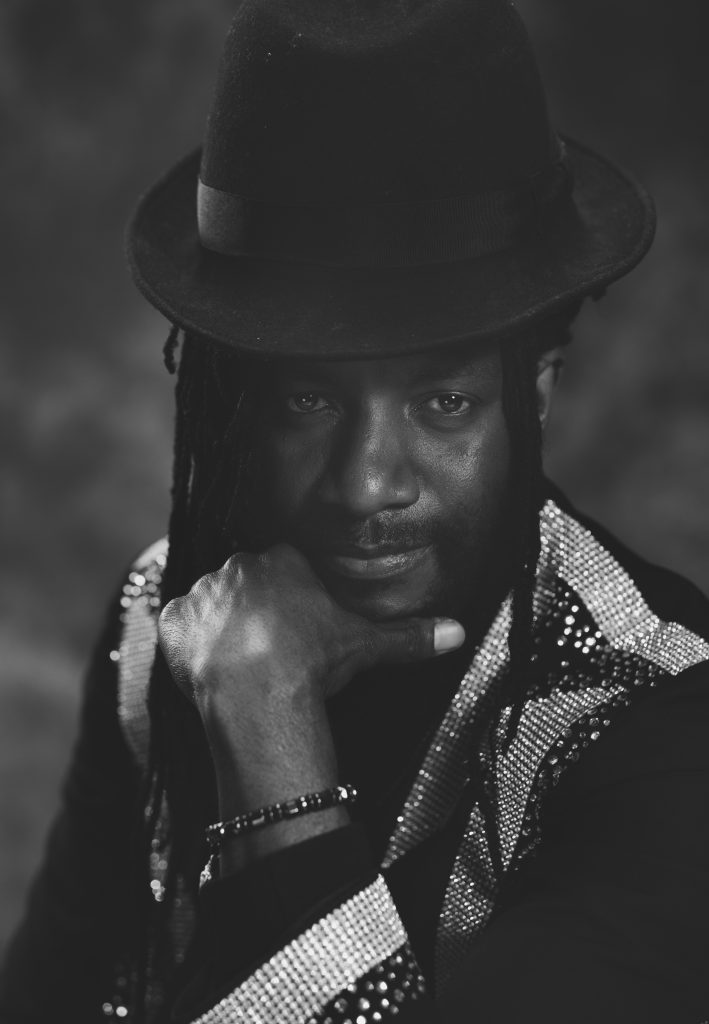
Winky D | SUPPLIED
TMR: Roots reggae has historically carried messages of resistance, identity and liberation. What drew you deeper into this tradition, and how has it helped you when expressing your perspective on contemporary Africa?
WD: Reggae has always given ordinary people room to speak about extraordinary pressures. It can carry pain without surrendering to despair, and resistance without abandoning reasoning. That has a natural relationship with the lyrics I express. Going deeper into roots reggae gave these conversations space to breathe and a home to live. There are questions that need patience, what does freedom mean when a person cannot provide for their family, what value does dignity have when survival requires constant humiliation by the wealthy and whose progress is it when people feel excluded from it.
The African and Caribbean connection also carries memory. It reminds us of separation, survival and the determination to remain human under systems that denied our humanity. But that inheritance brings responsibility. If we sing about liberation today, we must ask whether our own conduct allows others to live freely. The music helps me hold that question open.
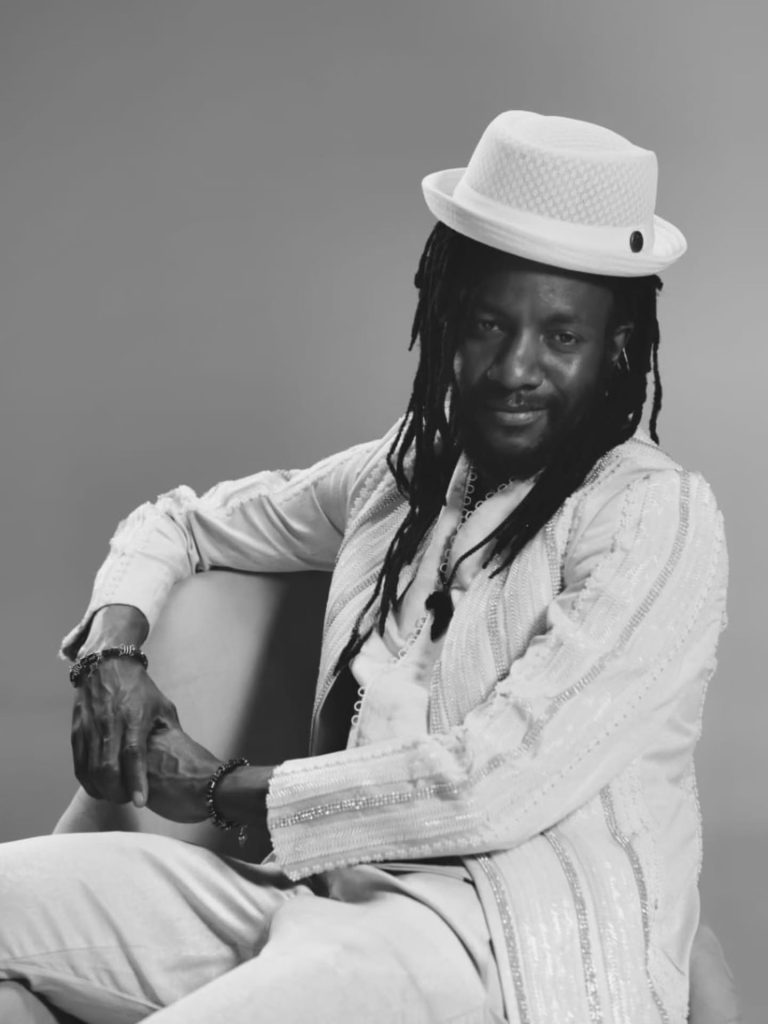
Winky D | SUPPLIED
TMR: Pan-Africanism is a central idea behind Tête-à-Tête (Hello Africa). What do you believe African artists must do beyond collaboration to build meaningful connections across the continent?
WD: We must become interested in one another beyond the moment when we need a feature. A meaningful connection involves learning how another audience lives, understanding its languages and history, and respecting the people who sustain its culture. Then we must build something that survives the song like reciprocal relationships, shared opportunities, mentorship, distribution networks and fair business arrangements. An emerging artist should be able to benefit from the connection after the established names have left the studio.
Pan-Africanism also asks something of our behaviour. We cannot celebrate African unity onstage and remain indifferent when Africans are mistreated because they come from another country or region. Our solidarity must reach the migrant, the unfamiliar language and the smaller market. Cultural connection becomes meaningful when it changes whom we welcome and whose voice we make room for.
TMR: “Leadership” explores authority and responsibility. What questions about leadership were you hoping to raise through this song, and what do you believe accountability should look like in practice?
WD: The central question is what happens to the people after someone acquires power, whether their lives become more secure, does this make the future generations imagine a future at home and whether they can question decision without fear of reprisal? Leadership must be examined through its consequences. A speech may be convincing, but a clinic without medicine offers its own value judgment. So does a qualified young person who cannot find work while opportunity circulates among the well connected.
In practice, accountability means clear commitments, independent scrutiny and consequences when trust is abused. It means institutions that can investigate wrongdoing regardless of the person involved, and citizens who can challenge decisions safely.
That responsibility also extends to anyone with influence, including artists. We must be willing to examine the distance between what we ask of others and what we practise ourselves.
Check out “Leadership”:
TMR: “Blind Patriots” examines national identity and patriotism. How do you distinguish between loving your country and holding it accountable when its realities fall short of its people’s aspirations?
WD: For me, those responsibilities belong together. If you love a country, you care about what happens to its people. You care whether a child can learn, whether a worker receives a fair opportunity, whether an elderly person can live with dignity. The difficulty begins when love of country is made dependent on silence. A nation contains many voices, including disappointed voices. Their disappointment and expression of opposition does not cancel their belonging.
“Blind Patriots” asks us to examine what our loyalty protects. Does it protect the public good, or does it excuse conduct that harms the public? We should honour the sacrifices that made independence possible by taking the promises of independence seriously.
I believe criticism can carry hope. Sometimes a person speaks because they still believe their country is capable of better. We must leave room for that kind of tough love.
TMR: You have spoken about the difference between being celebrated and being empowered. What needs to change in the African music industry for artists to gain greater ownership of their work and its value?
WD: Celebration is visibly apparent. Empowerment on the other hand is often found in the details people do not see, like the contract, the royalty statement, the ownership of a recording, the ability to decide how your image is used. An artist can be recognised everywhere and still have very little control over the value their work creates. We need access to independent advice, transparent accounting and financing that allows meaningful choices. Ownership should be negotiated with knowledge, rather than surrendered under pressure.
Artists also need stronger publishing businesses, reliable royalty administration and access to information about their audiences. Partnerships can help us grow, but growth should leave the creator with a fair share and a meaningful voice.
My concern is whether the person whose imagination created the work can build a life from it and retain something of lasting value for future generations.
Listen to “Blind Patriots”:
TMR: Your collaborations with Patoranking and Rocky Dawuni bring different African musical perspectives together. What did these creative relationships reveal to you about the possibilities of a more connected African music industry?
WD: They show how different voices can meet around a question without losing their character. Rocky Dawuni’s presence on “Hello Africa” and Patoranking’s on “Leadership” broaden the conversation while allowing its Zimbabwean foundation to remain clear. That is an important possibility for African music. Connection does not require us to sound alike. Our differences can give a song greater depth and introduce audiences to experiences they might otherwise overlook.
The next challenge is to give that creative connection a practical foundation. Can collaborations lead to audiences attending one another’s shows, promoters developing lasting relationships, and musicians finding opportunities across borders?
The music can make the introduction. We must then do the patient work that allows the relationship to grow.
TMR: Your music has documented the experiences of ordinary Zimbabweans for over two decades. How has your understanding of your responsibility to your audience changed, and what do you feel today’s younger generation needs from artists?
WD: Over time, you understand that a song may remain with someone through parts of life you will never witness. It may accompany their disappointment, their celebration or a difficult decision. That makes you more careful about what you put into the world. My responsibility includes continuing to listen. An audience is made up of people whose circumstances change, whose expectations grow and whose trust must never be taken for granted.
Young people need honesty, but they also deserve imagination, joy and room to think for themselves. They hear many instructions about working harder. Artists should also acknowledge the barriers that effort alone cannot remove.
I want my work to respect their intelligence and their uncertainty. I do not need to make decisions for them. I hope to offer language through which they can examine their lives and recognise their own worth.
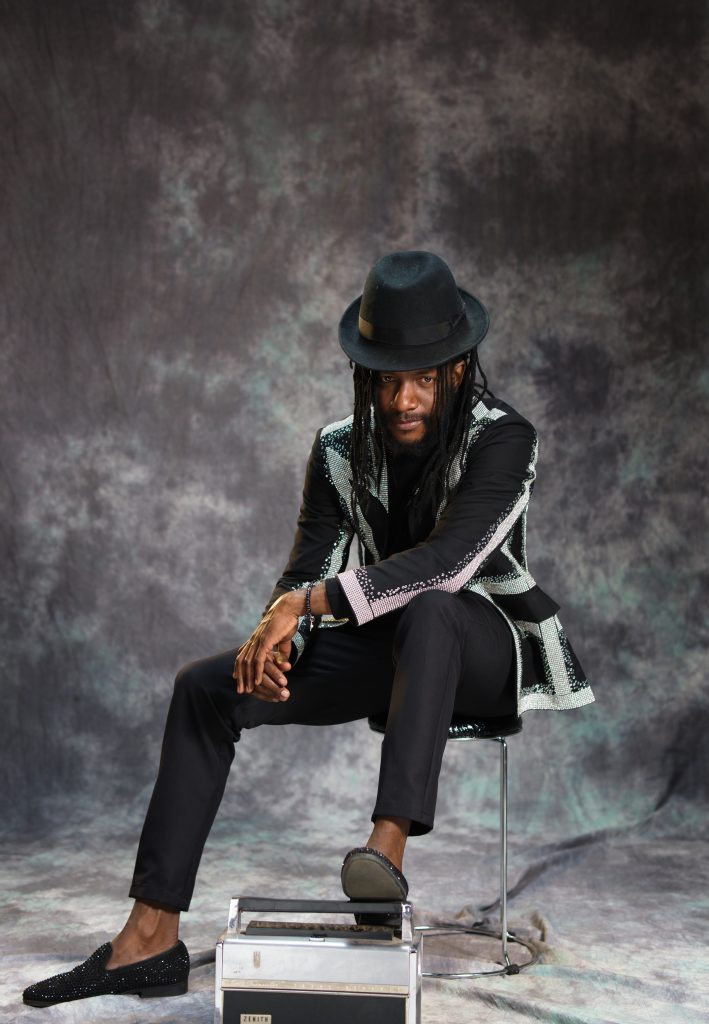
Winky D | SUPPLIED
TMR: Socially conscious music can raise questions, but it cannot solve every problem it exposes. How do you measure the impact of your music beyond its commercial success, and what do you hope it inspires people to do?
WD: I am careful about claiming an impact I cannot measure. A song cannot tell you everything it has changed. But there are meaningful signs like someone finding words for an experience they had struggled to explain, a conversation continuing beyond the performance, or a listener questioning something they had accepted as inevitable.
Commercial success tells us something about reach. It does not tell us the whole meaning of that encounter. I hope the music encourages people to listen more closely, seek information, take part in the life of their communities and ask those with responsibility to explain their decisions. I also hope it encourages self-examination. The habits we criticise in public life can appear in our own homes, workplaces and relationships.
Music has its limits. Within those limits, it can help people recognise that their experience matters and that the future remains something they can influence.
TMR: African music is gaining international recognition, yet structural challenges remain. What practical changes would help African artists build sustainable careers without losing control of their creative work?
WD: We need to make a career possible beyond the breakthrough moment. That requires dependable venues, professional touring networks, affordable production facilities and payment systems that allow artists to earn from audiences across the continent. We also need transparent royalty collection and accessible business education. Artists should understand what they are licensing, for how long, in which territories and on what financial terms.
Investment should help develop careers while giving creators a fair opportunity to retain ownership. Public institutions have a role in supporting infrastructure, fair rules and easier cultural exchange across borders. The industry must also invest in the people around the performer.
International recognition is welcome. Its lasting value will depend on whether it helps us build an industry in which African creativity sustains African livelihoods and creators retain the freedom to shape their work.
Preview Tête-à-Tête (Hello Africa):


