


Born and rooted in his upbringing in Central London in the United Kingdom, singer-songwriter Seth Tabatznik’s music is grounded in healing, comfort, and being one with the world and whole in one’s own spirit. Armed with medicinal music acumen, the rising star’s path is one more concerned with enlightenment rather than personal glory, as well as bringing wellness to the souls of listeners and joy afterwards.
A musician at heart who at six had already won his first singing competition, Seth spoke a bit about his past and how a sudden illness made him rethink the course of his life and what mattered most to him.
“I spent most of my life in the UK, and I started working with my dad in my 20s. Somewhere in my mid-30s, I fell sick, and before that I had always entertained doing music as a hobby and a passion on the side. The sickness made me step away from my work, business, and charitable commitments. I started to devote myself more to my creativity and things that would bring me more joy and give me less stress in my life.
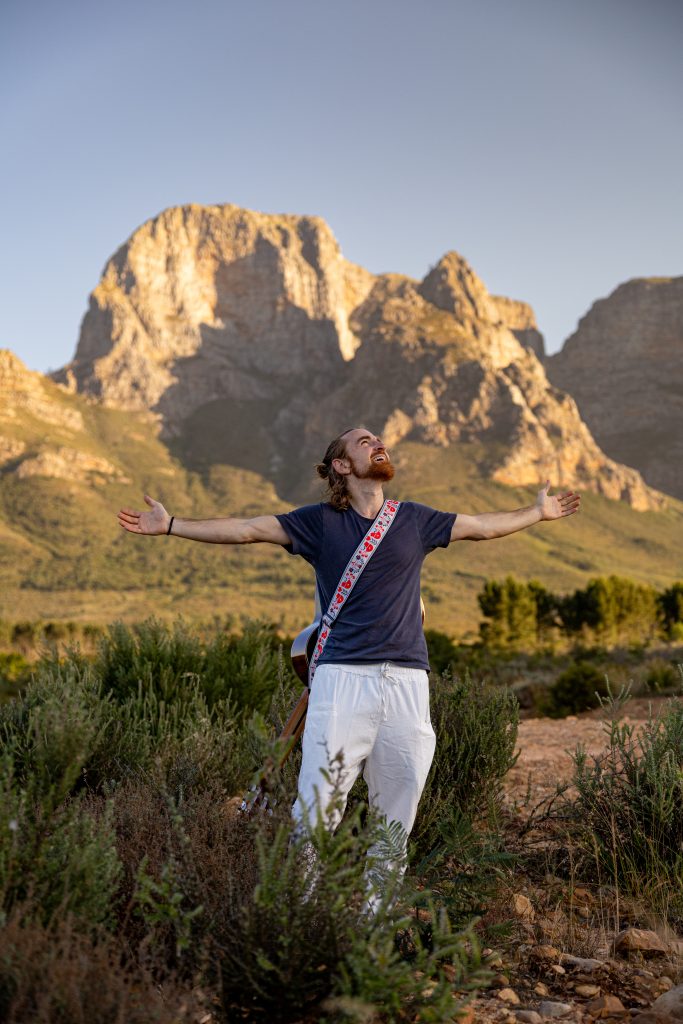
Seth Tabatznik | SUPPLIED
“A friend of mine told me that my voice was beautiful and asked me if I wrote and how much time I spent on artistry. At the time, I was giving around 2 to 3% of my time to my music—this was three years ago. My friend then challenged me to multiply my focus by ten times, and that prompt took me on a journey that has made me release three albums, and my health is in a much better space. I also found that I relish spending time as a musician because it’s another outlet for me to put out the messages I communicate through other ventures and charitable causes. A tool of transformation,” he said.
Seth spoke about his song, “Flow River Flow,” and his journey in rediscovering himself after clawing his way out of sickness.
“This song is one of those that I feel most connected to. It’s about discovering music as something much deeper and much more meaningful for me, and something that helps me to heal sickness in my body. I always thought I knew what I was doing with my life. On the surface, it was so easy for me to wear this identity of someone who is impactful and works for the planet and has a strong focus on ecology. When I got sick, I discovered that sickness is like a messenger, and it was very loud in my body. Upon listening to it, that’s when I decided to take a new path and to let go of a lot of things I was holding onto before.
“I moved to South Africa four years ago. I didn’t really have a huge reason for that—it just felt intuitive. Like I was supposed to do that. There is a mountain I found there that called me to it. So the song is about trusting the flow of life, living in the mountains and what it means to me, and how the river is ultimately about my life and the courses we are guided on and how following all that leads to true freedom,” he said.
Check out “Flow River Flow”:
Tabatznik talked about the build-up to his next album dropping in the first quarter of 2027 and the thinking behind the structuring of the project.
“The song is the first in its series, and the album itself is called Flow River Flow. The song took me as long to write as my previous album did. I worked with a songwriter who has a band called Eden, and he really helped me craft this song when it comes to structuring and editing and generally putting it together. Working with him help me put more care and effort and detail. We chose this song for the album because it set the tone for the rest of the project. So my plan is to release the rest of the songs over next couple of months before putting out the album in February 2027. The build-up is also supported by shows in the UK and more that I will be doing in South Africa,” he said.
Tabatznik shared the inspiration behind his album and what has changed about him over the years, from his artistry to his general outlook in life and his regard for himself.
“My next album will be much more personal compared to my previous ones. The albums I did before had songs that were really about my understanding of the world, and they were more theoretical, and they felt more like messages and spiritual songs. This new album leans a bit more on my personal experiences. It’s much more vulnerable in terms of talking about my illness, my mother’s passing, and some of the things that are really personal to me. My other single, ‘Infinite Beings’, is about how, when I was younger, I felt like I was meant to have this brand and be a success, and it was all about how I looked on the outside, until all that got crushed when I got ill. A change that forced me to rethink the whole point of life. So when I look at that song, it makes me look back at who Seth is now and who he used to be, and the change itself has been a gift to me. So the album is personal like that,” he said.

Seth Tabatznik | SUPPLIED
The singer talked about his craft and the resonance with the spirit realm in churning out music that is full, healing, and true to him and his audience.
“My music resonates with certain groups of people, particularly those with a spiritual leaning. I started with something I call medicine music, which is rooted in plant medicines and spiritual philosophies. My music has evolved into a slightly broader sound, taking the shape of an indie folk vibe. Given where the world is now, there is so much incredible music out there, and the place this music comes from is about the need for us to transform as a society. The place my music comes from is about the need for us to transform as a society, but that change must also come from within. I hope that by sharing my own story and vulnerability, it gives listeners permission to do the same for themselves,” he said.
Seth reflected on how he planned on growing his craft and ultimately becoming a channel through which music flows.
“I really love the soulful feel of African music. There are quite a few elements in the album that touch on that. My teacher in the medicine music space says that he doesn’t write songs; he receives them. So in terms of future sounds, I always think of the music I’ll make as something I will receive by opening myself up to be a vessel of the music rather than being a writer behind the process doing everything. I want to achieve that by doing more collaborations with people across the continent, people who carry the indigenous sounds and traditions,” he said.
View “Infinite Beings”:


