


Some things have a way of finding us, even when we have yet to understand what they are asking of us. They begin as an interest, a curiosity that refuses to leave, a feeling that follows us from one season of life into the next. Before there is a name for it, before the world has a reason to pay attention, there is simply the pull towards something that feels instinctively ours. For some, that pull becomes a distant memory, filed away with the dreams of childhood. For others, it becomes a language through which they learn to understand themselves. For Makabongwe Scelo Dube, known professionally as Dusse Wavy, music has grown from that kind of persistence. What began with a young boy in Esikhawini trying to find his voice through hip-hop has developed into a creative practice that encompasses songwriting, visual storytelling and the pursuit of independence.
His story does not begin with a family name that opens doors in the music industry or a blueprint for becoming an artist. Both his parents were teachers, and creativity was something he had to discover, nurture and eventually make room for in his own life. A friend introduced him to more hip-hop, opening his ears to Drake, Lil Wayne and Kendrick Lamar, while South African artists contributed to his growing understanding of the possibilities within music. He began rapping in 2017 and started putting his own songs together the following year, all while continuing his education. There was no guarantee that these early experiments would lead anywhere. There was, however, a willingness to keep going, to learn through making and to follow an interest that had begun to take shape long before the industry had a reason to notice him.
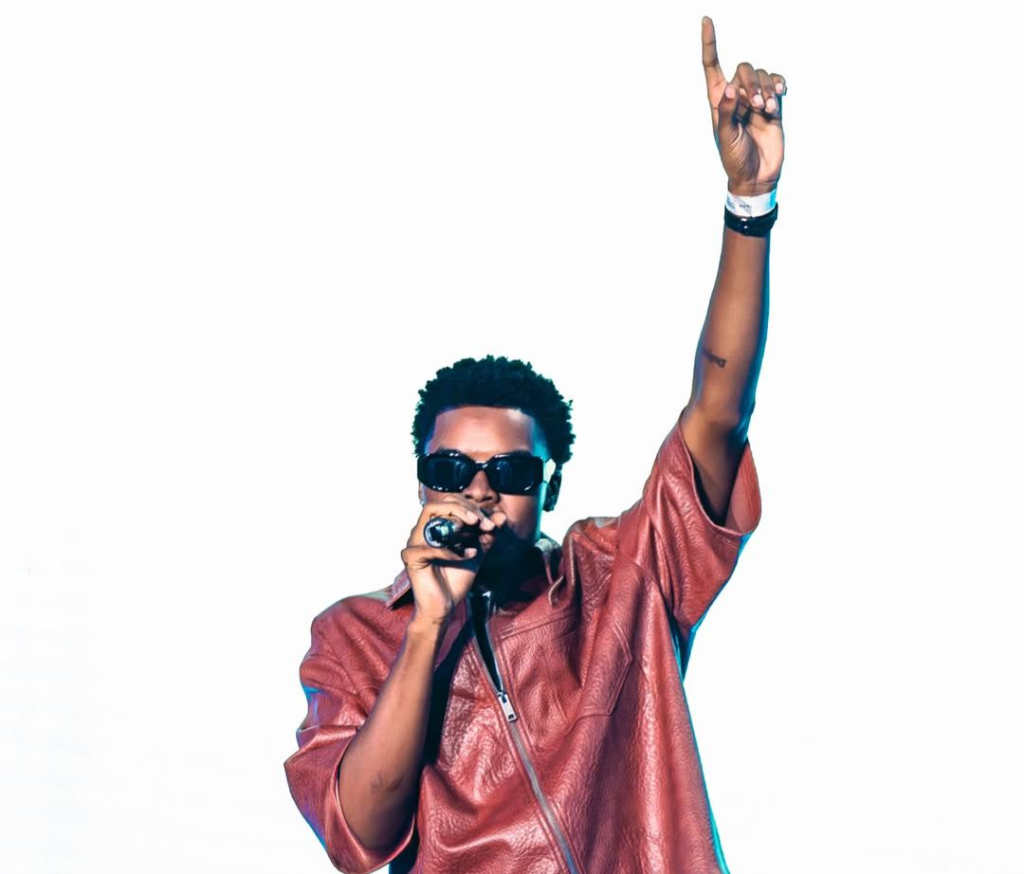
Dusse Wavy | SUPPLIED
That willingness has become central to his sound. Moving between hip-hop, R&B and Neo-Soul, Dusse Wavy does not appear interested in choosing a single lane simply because it offers a clearer route to recognition. His music draws from the contradictions of growing up, the tenderness of love, the weight of betrayal and the nostalgia that comes with looking back at experiences that once seemed ordinary. His breakout single, “Usebenzile”, released in September 2025, expanded his reach, while “UTHANDO” surpassed one million streams across digital streaming platforms in just 27 days. “Angsajoli” also reached audiences through Channel O. These milestones have introduced his music to a wider public, but they have also brought greater attention to the person behind the songs, an artist learning how to translate his experiences into something other people can recognise as their own.
For Dusse Wavy, however, making music is only one part of the work. He creates his own cover artwork, develops visual content and collaborates with other creatives to shape how his ideas reach an audience. That instinct has grown into Daily Bread, a creative venture he is building alongside close collaborators, with ambitions that extend into visual production, publishing and eventually the record-label space.
His selection for the Imbizo Festival as one of 20 artists across Africa, chosen from more than 900 submissions, marks another significant step in his development. Yet the larger ambition is not simply to accumulate milestones. It is to build something with enough substance to outlast any single release, creating the infrastructure to support his own vision while opening possibilities for others navigating the same industry. There is a distinction between wanting to be heard and wanting to build something worth hearing. Dusse Wavy appears increasingly interested in both. As he works towards an album that is nearing completion, he is thinking just as carefully about the world surrounding the music as the songs themselves. His next chapter also includes “Azania”, a new song that adds another dimension to a journey shaped by self-expression, experimentation and an expanding sense of purpose.
The artist sat down with TMR to discuss his journey from Esikhawini, the experiences shaping his music, his ambitions for Daily Bread, the creative independence he continues to cultivate, his forthcoming album and his new song, “Azania”.
The Music Review: For someone encountering your music for the first time, who is Dusse Wavy, and what experiences shaped the artist you are today?
Dusse Wavy: I’m an artist from Esikhawini, a small town in KwaZulu-Natal. My real name is Makabongwe Dube. I grew up in a household where there weren’t any other artists. My father was a teacher, and my mother was also a teacher, but I always loved music. I studied and continued pursuing music at the same time. I also did drama in high school. I’m just a chilled guy who loves music, videography and directing. That’s who I am.
TMR: Your parents had established careers outside the creative industry. What happened when you first told them you wanted to become an artist?
DW: That’s one of the moments I’ll never forget. I remember coming home one evening while my parents were watching television. A friend of mine used to listen to a lot of hip-hop, and he would help me download songs because I didn’t have access to them. I was good at rapping songs by Drake, Lil Wayne and other artists, and he eventually told me I should start making my own music.
We recorded a song, and I went home and asked my parents if I could play it for them. I told them I thought I was going to become an artist. They listened, but they didn’t tell me the song was good or bad. They simply said that if this was what I wanted to do, they wouldn’t control me or tell me what I could and couldn’t pursue. They understood that it might change my life, and I’m forever grateful for that.
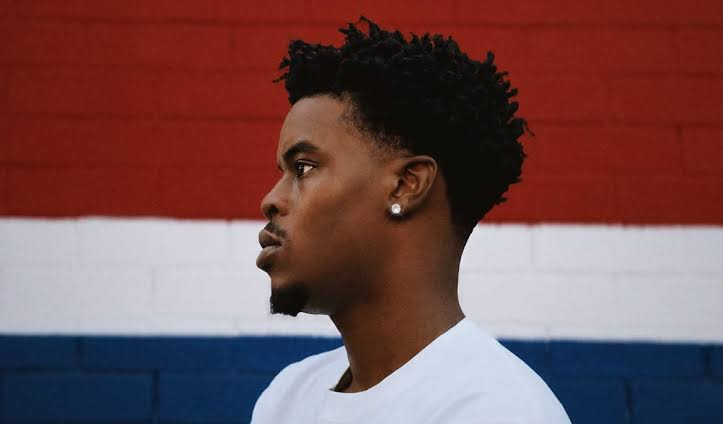
Dusse Wavy | SUPPLIED
TMR: Your sound moves between hip-hop, R&B and Neo-Soul. How has growing up in Esikhawini shaped your musical identity?
DW: I think it’s about freedom. I’m a free-spirited person who loves doing anything and everything related to art. I grew up listening to hip-hop, R&B and different kinds of music, so that mixture naturally became part of what I do.
I don’t really plan it out. It just happens. Where I’m from, we don’t necessarily have one specific sound that everybody follows. We mix things together, and that has become part of our identity. I always mention where I come from because it’s important to me. The best way I can represent my hometown is by continuing to make the music I make.
TMR: Your music explores personal experiences, relationships and adulthood. How has sharing your own story changed the way you approach songwriting?
DW: I think it’s important for an artist or a writer to go through different experiences, including betrayal. I try to put those experiences into my music because I’m writing a story for myself. Fifty years from now, someone might still be listening to these songs and relating to something I went through.
Initially, music was just a way for me to express myself because I wasn’t someone who expressed himself that much. I used to rap without really giving people any context about who I was. Eventually, I started releasing songs where I was sharing more of my experiences and telling my own story. Being real and allowing people to connect with that has made a huge difference in my music. It means something when people keep replaying a song because they recognise themselves in the story you’re telling.
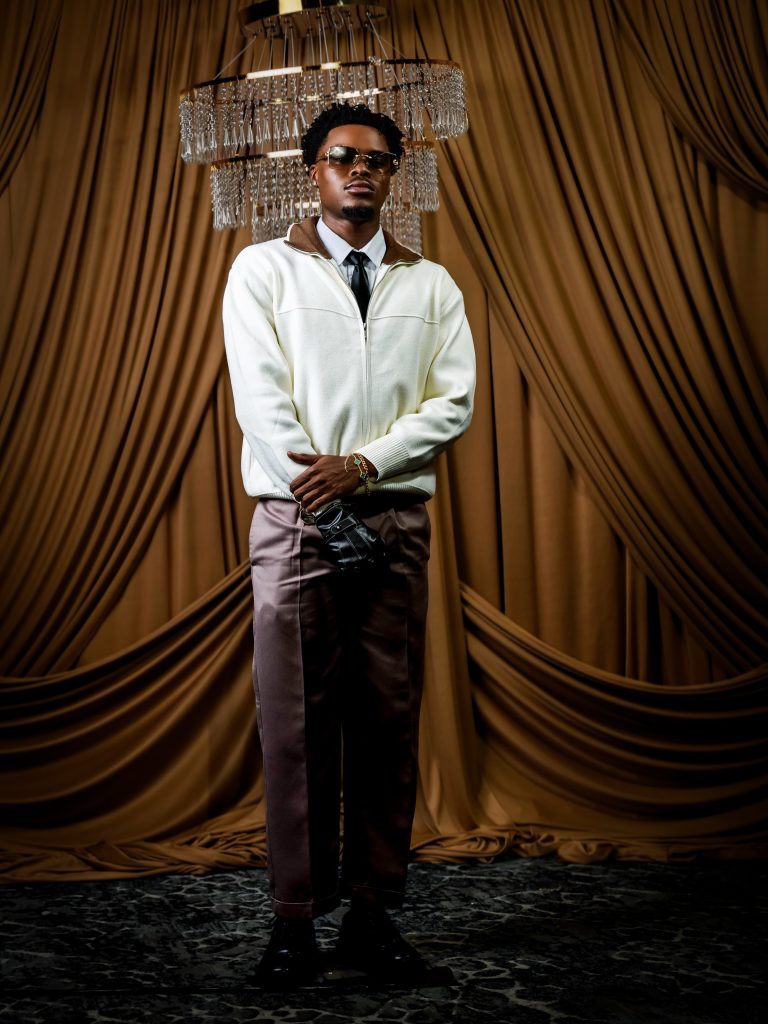
Dusse Wavy | SUPPLIED
TMR: “UTHANDO” surpassed one million streams in 27 days, while “Usebenzile” became a breakout release. How do you balance that growing attention with your desire to develop creatively?
DW: Shout out to MJ and Oviyonke, because that’s how “UTHANDO” came about. MJ had worked with Oviyonke, and a few days later he sent me two songs. I chose “UTHANDO”, and we went from there. Before that, I had released an EP called “Usebenzile”, and it was a great moment for me. I wasn’t expecting those numbers or that many people to connect with the music. I think the stars aligned. When you create something, you don’t always know how many people will relate to it. Seeing people connect with those songs the way they have has been amazing.
TMR: From Cotton Fest to Blxckie’s Somnyama Show and Mzansi Neosoul, you have performed in different musical environments. What have those experiences taught you about performing live?
DW: Every experience has added something to my journey. Cotton Fest is an important platform for an upcoming artist, and I’ve been fortunate enough to perform at Blxckie’s Black History Month experience twice as well. Mzansi Neosoul is also exciting because it gives me the opportunity to perform in a different live-music environment.
Performing live is great, but you can get nervous, especially when you’re singing. Once you become more comfortable, you begin to understand what you need to do. I also think you shouldn’t go onstage with too many expectations about how an audience will respond. You
have to be honest with yourself, get onstage and do your thing.
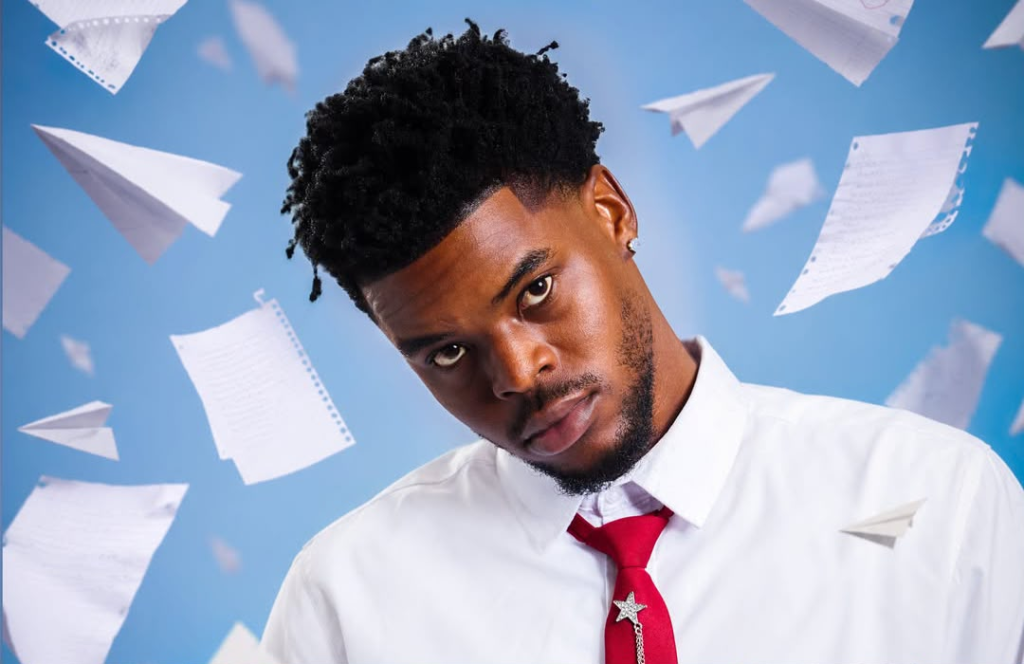
Dusse Wavy | SUPPLIED
TMR: You create your own cover artwork and work on visual content alongside your music. How important is it for you to have control over the way your work is presented?
DW: It’s important for an artist to understand more than just recording music. You should know how you want your cover artwork to look, how you want your music video to be shot and how you want your ideas to come to life.
I started making fan artwork for artists I liked and posting it on Facebook. When I eventually started making my own music, it came full circle because, to this day, I still create my own cover artwork. I also do artwork for other artists and work on visual content. Sometimes, that’s how I introduce myself to other creatives. I’ll approach someone and ask if I can create something for them, and a working relationship develops from there. My friend Ile and I also work together on the visual side of things. He handles much of the filming, while I work on reels and other content, and I also edit and direct. Having that understanding of the visual side allows me to communicate my ideas more clearly and take greater control of how I want my music to be experienced.
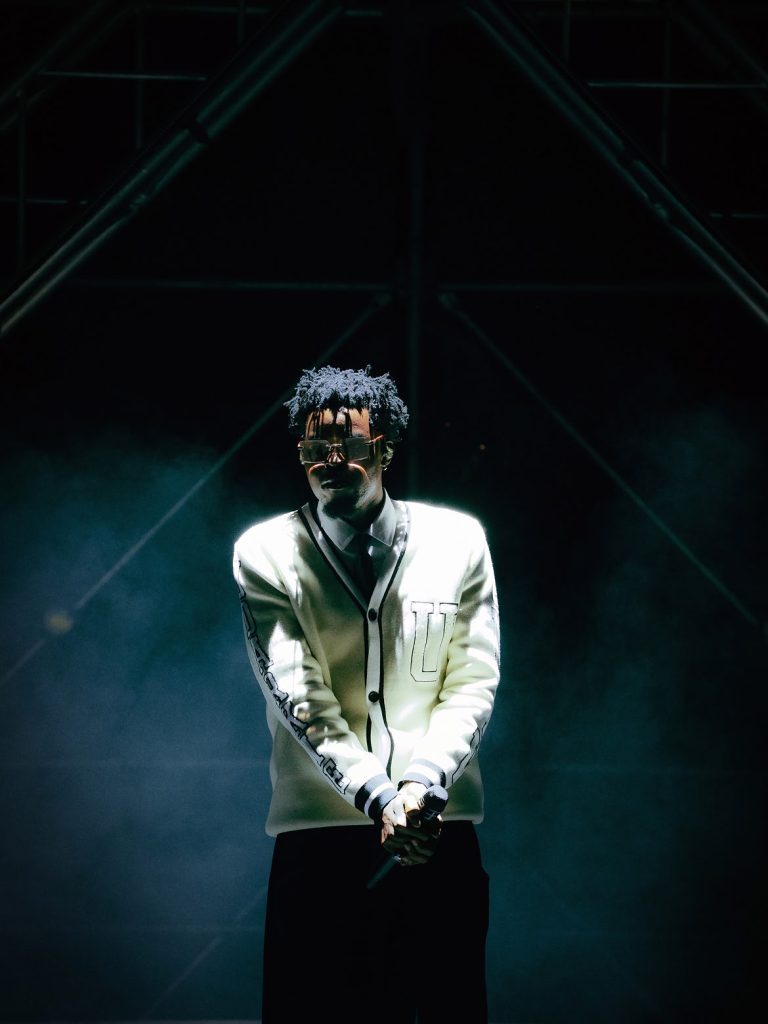
Dusse Wavy | SUPPLIED
TMR: You founded Daily Bread with your collaborators. What do you want the platform to become, and how could it create opportunities for other artists?
DW: Daily Bread started with me and my friend Ile, and we’ve since grown the team to include Kilo Jake and Antiseptic. Antiseptic is also involved in recording and producing my music, so we each bring different things to the table. Right now, we want to grow. We have access to opportunities, music videos and quality cover artwork, and we’d like to build on that. Hopefully, we can eventually expand into publishing or even establish a record label. The long-term vision is for Daily Bread to help artists grow and access opportunities, especially artists who are still coming up and trying to find their way in the industry.
TMR: You’re currently working on an album that you say is around 90 per cent complete. What can listeners expect, and why are you taking your time with the release?
DW: I’m working on an album, and the music is almost done. I’d say it’s about 90 per cent complete but I don’t feel it’s ready to be released yet. I want to work on the rollout because I have ideas that I want to bring to life, and I want the release to be special and different. I can’t just put the music out without thinking about how I’m going to present it. The music is there, but I want everything around it to come together. I want the rollout to be epic, and once I feel that everything is in order, I’ll be ready to release it. It could come out as a surprise, or it might be next year. For now, I’m focused on making sure the vision comes together.


