


From working behind the scenes and producing bangers for the likes of Mafikizolo to him stepping into the fray of the industry as the frontman of his own records with his debut album Music in Colors, SAMA-winning producer Kenza’s track record belies his youth. With the rising star having already achieved towering success in his mid-twenties, the latter half of the decade promises better and greater, with him now exploring a new chapter in his life.
“Kenza as a young boy in Namibia grew up in a musical family before moving to South Africa. I was exposed to a lot of Southern African sounds, such as Mbaqanga, Maskandi, House, and even Gospel. And as I developed in time, it was all about merging what I learned from all the sounds so I could learn how to express myself with the music,” he said.

Kenza | SUPPLIED
Assisted by a stellar roster of award-winning vocalists such as Msaki, Mthunzi, Ami Faku and production stalwarts Sun-El Musician and Caiiro, the vision for his maiden opus came to life. He talked about the process and how the kaleidoscopic nature of the sounds blending together influenced the name.
“When I made Music in Colors, I wasn’t exactly focused on the songs and who I was gonna get on them. The flow of putting it together came naturally. So, if a certain song I was doing felt good and that it would suit being in an album type situation, I would put it on the list.
“When I listened to the album in full, I decided to name it Music In Colors. Because after I’d heard all the tracks, I heard so many different vibes, different emotions, and different colours and that’s where the concept of the album came from,” he said.
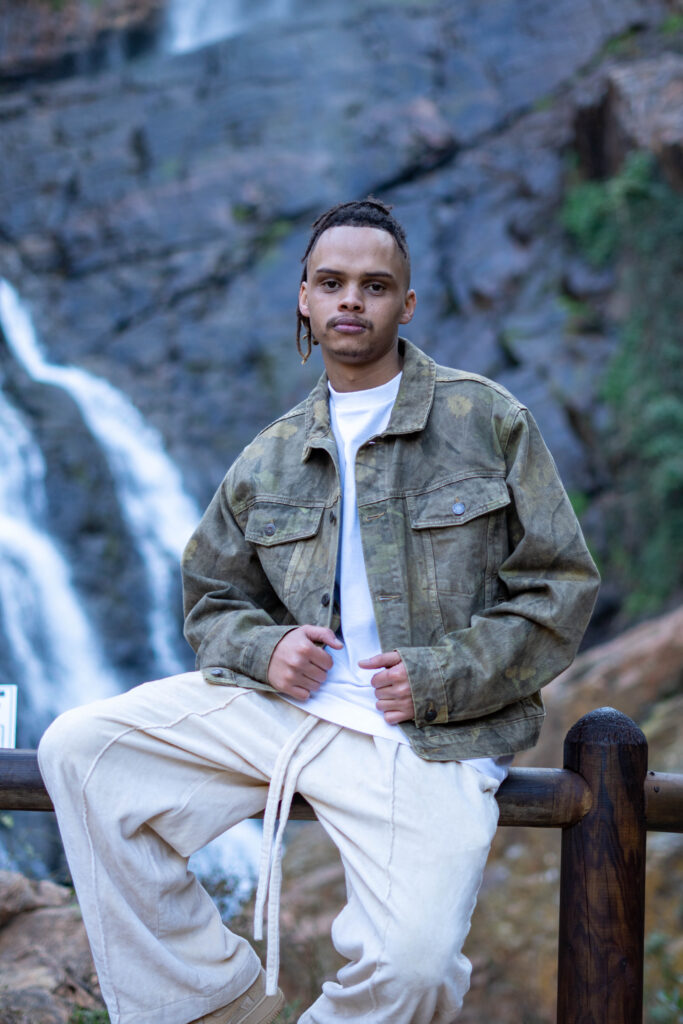
Kenza | SUPPLIED
Five years in the making, Kenza talked about how the crafting the album has also shaped him in return.
“This album has definitely helped me grow as an artist because it is my first body of work as a lead artist. So it has been about learning my sound and learning how to share what’s on the inside and what’s happening in my life.
“I’ve been working on this project from 2020 till 2025, so it’s also a boy-growing-into-a-man type situation with this album. Maturity,” he said.
The producer talked about the lead single of the album, “Ungalele”, and why he earmarked it for the role in supporting the album’s rollout.
“I work a lot using energy, and I felt like the energy was right with ‘Ungalele’, enough for me to start with it. You know what the Afro-tech vibe is all about and we’re also entering December. So I wanted to go for a harder track,” he said.
Listen to “Ungalele”:
Kenza shared the benefits of playing the long game as a producer, working with juggernauts and bidding his time while maturing his craft in his youth.
“It was always my goal to have my own sound. And because I started off very early in the industry, I didn’t shy away from making as much music as I could and to work with as many dope people as possible. I was already working with Mafikizolo at 19, so I wasn’t really in a rush to have an album, like now now. And with that, not only did I learn on the job, I also gave a lot to other artists. Whenever I hit the studio, I always made two tracks—one I would give away and one that I would keep with me. That’s how I also managed to pull some many big names for the album. I gave them a lot of music and it was simply a matter of them just returning a young favour for me,” he said.
The beatmaker talked about the significance of culling influences from other genres in order to create stimulating variations of his house music.
“I listen to House music on a daily in addition to making it. But I also take inspiration from Afropop, Neo-soul and other genres. In a way, it’s like my brain records everything I come across and emulates the elements I like so I can mix them into my own sound. That’s why the album even sounds as colourful as it does. There’s a little bit of a lot of other sounds in my album,” he said.
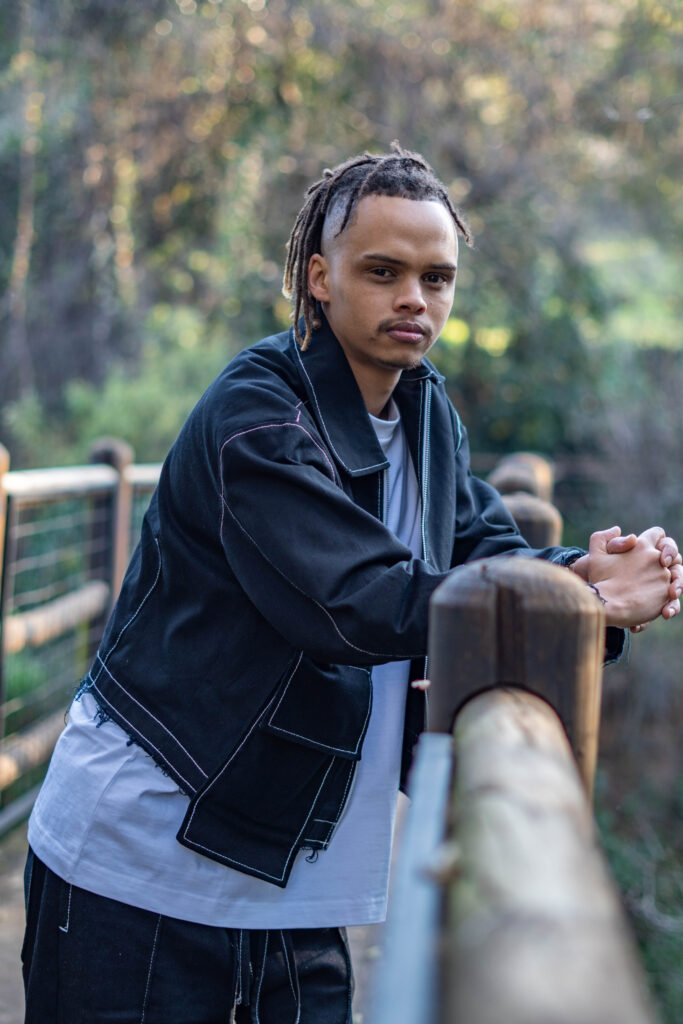
Kenza | SUPPLIED
Inspired by the late great Quincy Jones, Kenza dropped some insight on staying in the loop as a producer, citing the importance of gleaning a piece of anything from every genre in order to make his sound incrementally unique.
“I think it’s important to stay on the pulse and interacting with people, even online, to know what’s popping. Because right now I’ve been seeing some things popping like Brazilian folk, and doing things like that is what I feel is important in staying ahead of the game. Incorporating all these sounds I find interesting whenever I can, even if it’s simply messing around at times. Amapiano here and there. 3 Step-nyana as well. Exploring is important and not just keeping yourself boxed in,” he said.


