


Anatii has ever been more a narrator of his own legend, moulding narrative at his own pace, deciding when to show his face, and more to the point, how to do it. He does not drown the moment, he edits it. It is a consciousness with which he puts himself forth to the world, a rejection of being rushed into a place of relevance or confined into expectation. It is the same authorship that characterizes “Blessings On Me,” his latest offering. It comes not as one of those comeback engines that have been designed to attract attention, but as an extension of the story, one that he tells the way he wants to tell it. The song is spiritual, based on affirmation, and does not seem like a release, but more like an offering, something thought through, something experienced with prior to sharing.
It makes that intention clear, without any doubt, in its first gasp “I let God into me, I let God into me / I got blessings on me head to my feet.” That is not the line that reads like introduction, it reads like grounding. It is not the proclamation of a new belief that follows, but the proclamation of an old one, the artist returning to himself, to faith, to purpose. “Blessings On Me” turns into the representation of that pose. It is not a spiritual performance, but spiritual practice. In such a way, the record is not addressing itself to something outside of it in order to get confirmation, it is returning to itself, strengthening its core.
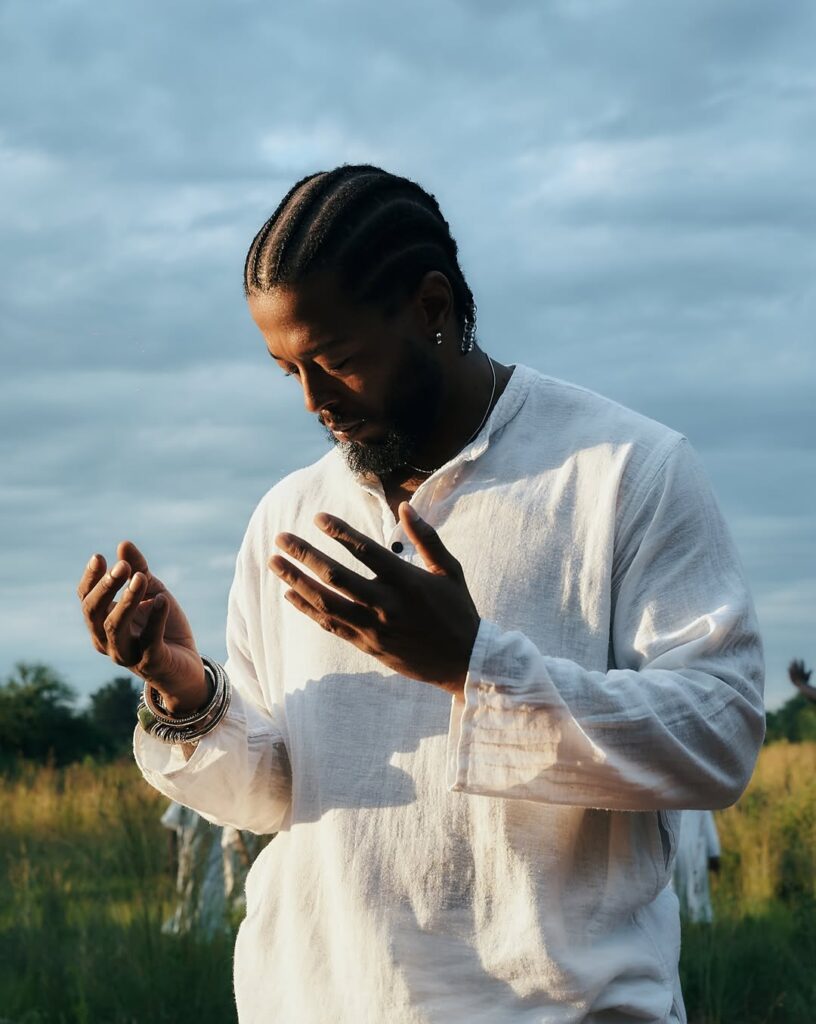
Anatii | SUPPLIED
The song is more of a restraint toward production, yet not empty. It is composed in a very deliberate way to make room to reflect on, featuring soft, near ambient melody lines superimposed on a core, grounded rhythm. The rhythmic aspect and airiness of textures are subtly combined to create a feeling of movement without urgency in the track. The rhythm does not seek to get attention, it has it. That distinction matters. It can permit expressions such as “holy water dripping on these fools, Holy Spirit, can you feel it too,” to slice through without any competition. The repetition of “holy energy, holy energy. holy, holy, holy” is included in the production itself- percussive, hypnotic and immersive. It is a soundscape that does not break the mood but helps to maintain it.
Anatii has a controlled, meditative voice, which supports the thematic core of the song. He is opposed to dramatization, and he prefers a more conscious and focused tone. The repetition of “I feel free, got blessings, got blessings, got blessings on me”, is not so much about the variation of the melody, but rather about the reinforcement. His pacing is leisurely, nearly like a conversation, and conviction dominates the performance. Though shifting into richer phrasing, as when he says, “just didn’t dream it I prayed it, this is high level, this is God conversation,” he never loses his composure, and never alters the reflective tone. The layering of the vocals is kept to the bare minimum, keeping the sense of the presence here being a matter of clarity, rather than volume.
Lyrically, “Blessings On Me” is a song that works both as an affirmation and reflection, but its power is in its straightforwardness. Anatii does not abstract, preferring to define his point of view in a more specific manner. Such lines as “tell my people, do not forget to pray, count your blessings every day,” serve as a reminder to him and as an instruction to the community. A definite account of progress is inherent in the line of “felt the hunger then I felt the pain, now I got bands in the bank,” where struggle and reward are directly associated. The text consistently brings material prosperity to spiritual roots, supported at times such as when he writes that he is under the protection of the holy ghost when it comes to blessings. It is not active gratitude, it is positioned as the result of discipline, faith, and perseverance.
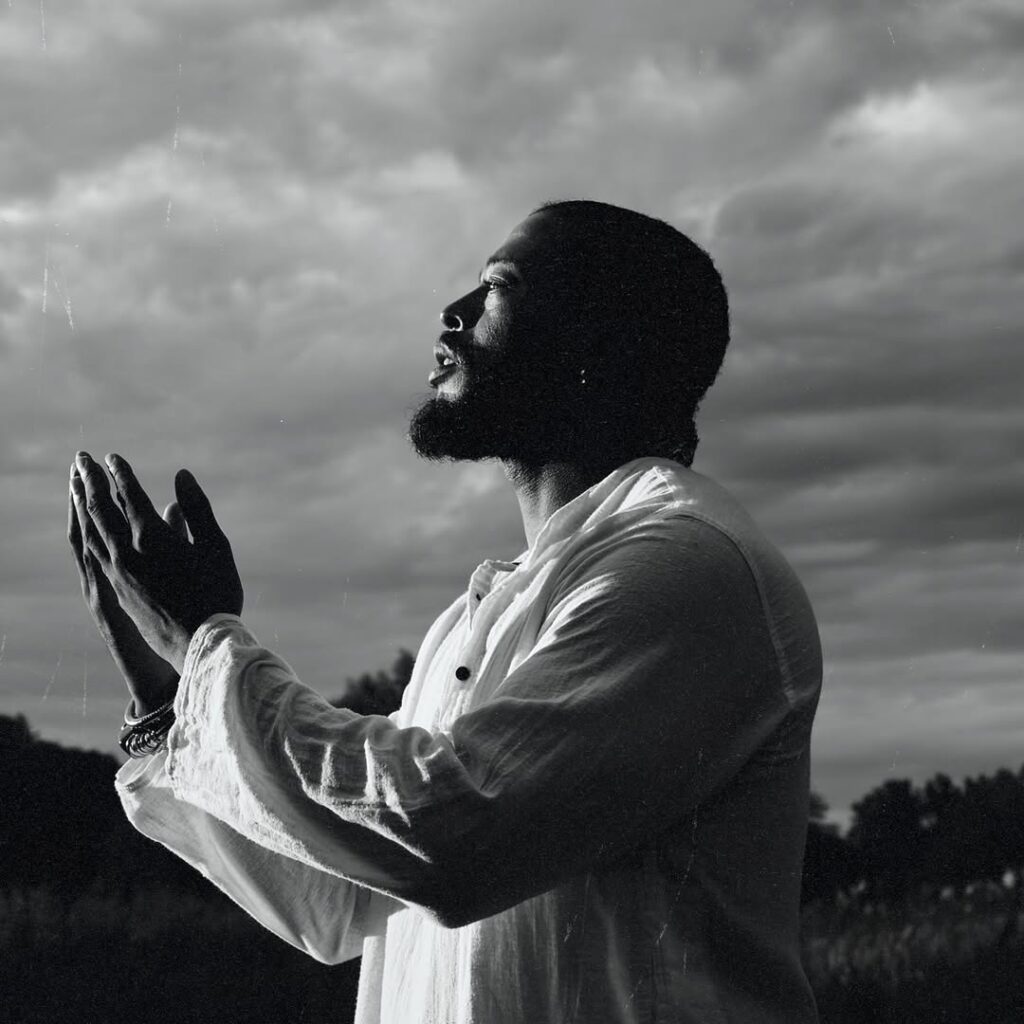
Anatii | SUPPLIED
The song is visually extended in a controlled and symbolic way as opposed to spectacle-based imagery. The video is inclined to earth tones, ritualistic performance, and framing composed that reflects the introspection in the song. The pacing is intentional and controlled, movement coincide with the repetition of the phrase holy energy and stillness that is inherent in the track.
Combined with such lines as you can feel the holy energy as soon as I walk in, the visuals also strive to personify it, rather than depict it. The outcome is a unifying experience in which the imagery is not conflicting with the music but it supports its spiritual and ancestral overtones.
Its effect is enhanced by the conceptual framing of the track. The larger aesthetic, spirituality, lineage and ritual, continues the meaning of the words past a personal experience. The moment Anatii writes “God my best friend, yeah that’s twin and I let God intervene, I let God into me,” the story changes its format of abstract belief to personal relationship. This framing places the music in a greater identity transformation, in which success has become not only professional, but also existential. The song is a part of a broader conversation regarding orientation, meaning, and a call to go back to a more earth-based state of being.
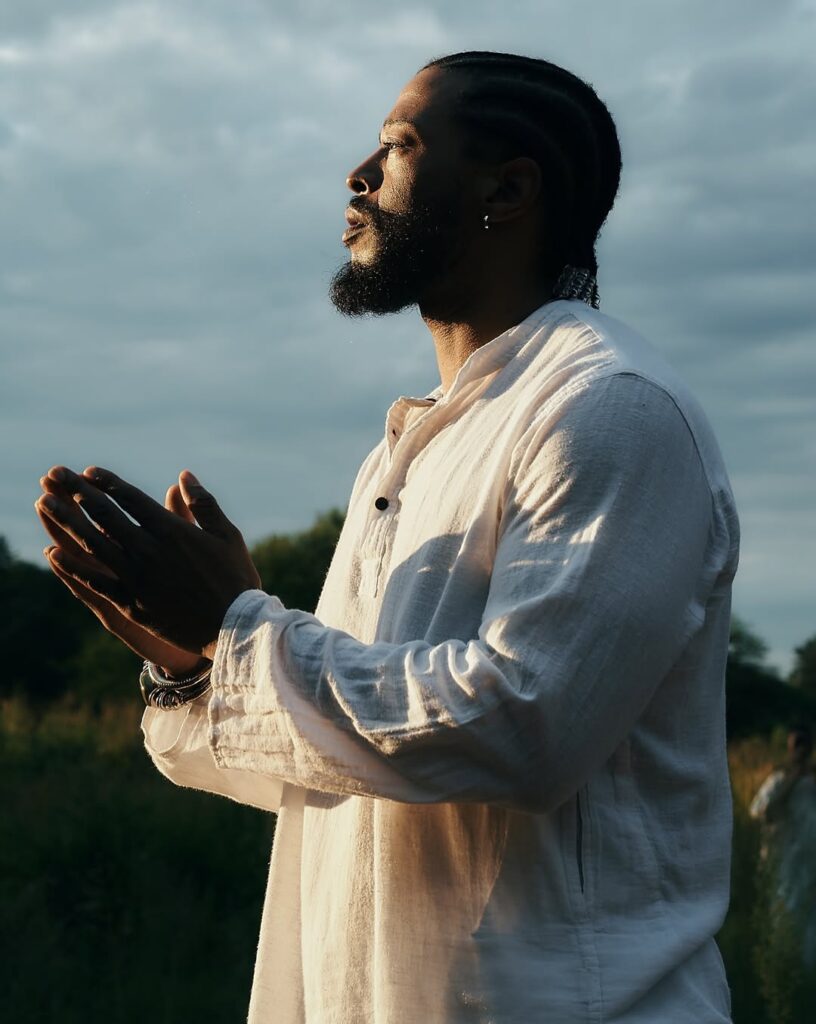
Anatii | SUPPLIED
There is the calculated tension as well in the positioning of the track in the existing African music environment. But, in an era where fast-paced, hook-led records are the order of the day, the song “Blessings On Me” purposefully slows down everything. It puts more emphasis on repetition, stillness, and message than instant gratification. Even in lyrics, it does not indulge, but instead focuses the concepts such as I feel free and this is God conversation rather than indulging in complexity. The restraint may be interpreted as a silent protest against the pressure of the industry, a denial of keeping up or meeting the demand. It can reduce direct commercial effectiveness, but it enhances the identity and purpose of the record.
Ultimately, “Blessings On Me” is released as a portal into a new artistic period. It is not rushed, but is serious in its execution. The line of the song that repeats, I got blessings on me, is not a hook, but it is the thesis of the record. Anatii is not attempting to demonstrate distance or pursue validation, he is creating correspondence. The song stands its ground since it has the knowledge of what it is attempting to say and more crucially what it is not.
Words by Zimiso Nyamande


