


Quiet, meditative, and intuitive are some of the attributes that make up the musical skeleton of singer-songwriter Makhanj’s debut album Transkei. A meandering path that traverses checkpoints ranging from self-discovery to spiritual guidance, the Eastern Cape-born crooner’s opus comes years after making waves in the circuit as one of amapiano’s most promising and earnest vocalist-cum-composer. The album is a fulfilment of an intricate prism that refracts the light of her music into the different colours of her personality, showcasing an artist with strong life values, steady trust in her spiritual compass, and pride in herself as a daughter of Xhosa heritage.
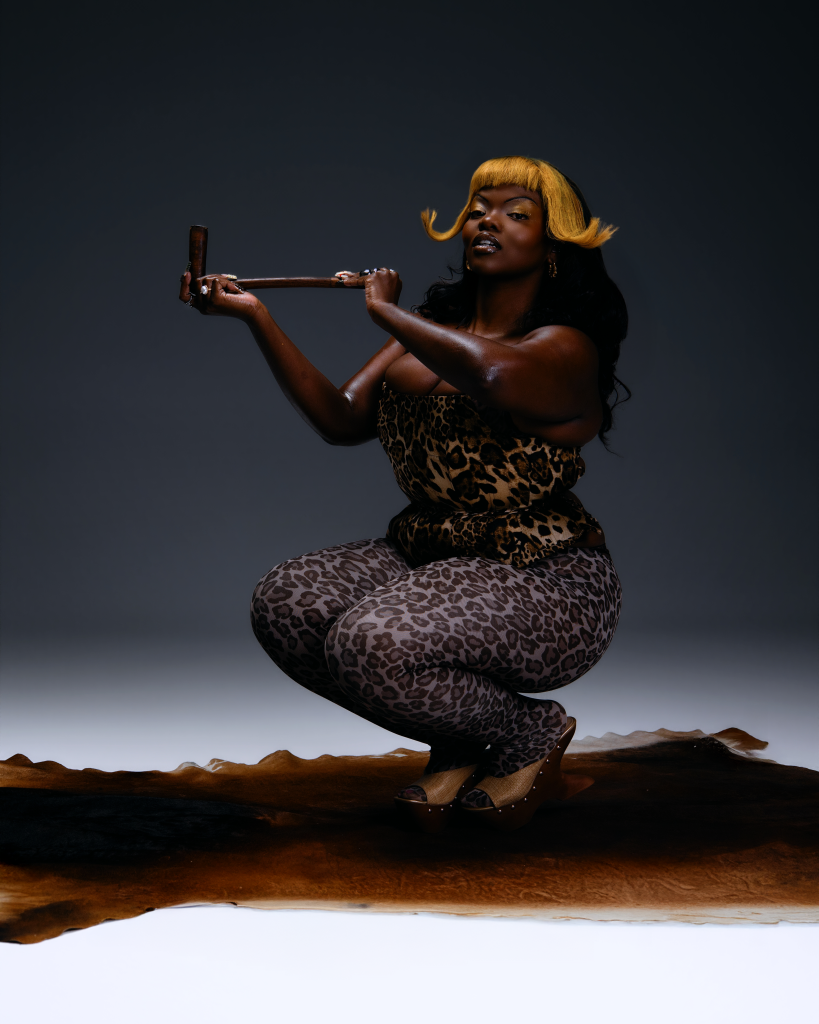
Makhanj | SUPPLIED
In the space of thirteen songs, Transkei is a disciplined undertaking of soul music, borrowing gingerly from the realms of private amapiano, afrohouse, and jazz. Ambient in production and dominated by harmonies manned by Makhanj herself or her carefully curated guest list – including the likes of powerhouses such as Babalwa M, Nia Pearl, and Thatohatsi, among others – the production that underscores the structure of the album is bare, leaving no room to hide. Stripped down and minimalistic in its nature, the musical influences behind this record are self-effacing, as seen in demure log drums, muted percussion and sparse treatments of sax music where implemented. The result is production acting as a mechanism that encourages prayer, thoughtful songwriting, and ruminative themes, a triumvirate that defines the contours of the album’s shape.
Whether Makhanj is drawing upon the spiritual for strength and guidance amid the inevitable (“Amandla Am” and “Khanindifake”) and the compelling desire for a better life and the push to evolve (“Imali Ikhona” and “Andiyekanga”) or exploring the idea of self-preservation and belief in one’s own worth (“Mzala” and “Phepha Abanye”), the thematic scope of Transkei is an interplay of the musician’s internal world and the external influences that beset her life. The record doesn’t seem concerned at all about impressing the listener with visions of grandeur and sumptuous musicianship. Makhanj employs a grassroots approach to her theme selection by not only keeping things simple on a lyrical level but also by talking about everyday struggles and the humble aspirations of ordinary people whose greatest hope is making it to tomorrow and nothing else. No fancy frills.
Check out “Phepha Abanye”:
Makhanj’s simplicity, which feels more like a move of intuition, is the album’s greatest paradox, because that is the quality that makes the project an ambitious debut. The first thing most artists reach for with their maiden outing is a basket of bangers, a cornucopia of chart-making hits, and Transkei is an album that does the opposite. Sincerity and down-to-earth connection are values that the album seeks, more than validation and approval. It is an album that doesn’t wait for value to be ascribed to it – the music is proud to be in its original form, and its organic feel contributes to the ambition it unwittingly reaches for.
Transkei thrives in being a reservoir of positive affirmations, fervent prayers, and statements of identity. If you don’t find yourself in the lyrics, you’ll most likely locate a shard of something you believe in instead. At times the find will be both. That’s the beauty behind the album; one listen suffices in bringing forth something of existential value, however small it is.
Preview “Transkei”:


