


The drop of ‘How We Roll‘ shook up the progressive R&B scene back in August. It heralded a return for Texan singer-songwriter and dancer Ciara with an EP drop in the same month and rode on the crest of hype surrounding the pending release of Chris Brown’s album 11:11 later in November. In more ways than one, the song served as a pivotal intersection for both artists and their project rollouts, and South African-based producer Tatenda ‘Mr Kamera’ Kamera was there to provide the sonic vector to get the song from point A to B.
Ciara and Breezy’s second meeting was a fortuitous byproduct of a Tyla writing camp that culminated in a fateful meeting between Kamera and renowned songwriter Theron Thomas, who’s nominated for the inaugural Songwriter of the Year gong at the 2024 Grammy Awards.

“I was invited to a songwriting camp for Tyla. A whole bunch of producers had come through from all over the world. So, at that camp, I meant Theron Thomas, who is a songwriter, and Deli Banger, who is a producer. I met other producers from overseas, too, like Tricky Stewart and Believve. We were making music together at the camp and created a working relationship. After the camp, Theron Thomas got in touch with me and told me that he was working on Ciara’s project, and I should send through some beats for him to write to. I sent a whole bunch of beats, and that’s how the “How We Roll” beat was picked up,” he said.
Watch here:
Citing that there wasn’t “much pressure” working with them directly, the original single went on to be Ciara’s biggest hit since “I Bet”. The duet peaked at #9 on the US R&B/Hip-Hop Airplay chart, two places shy of “I Bet” which notched the #7 spot on the same list. On the chart, the single became her fifteenth to register a top-ten finish.
When it came to creating the sparse but groovy backdrop, Mr Kamera stressed the importance of simplicity in order to accommodate not only the myriad writers involved but also the performers. The beat of the song, according to him, took around three hours to make and then some, taking into account having to tweak the sound to achieve near-perfect cleanliness. In the process of working with prodigious talents, he’s found that minimalism functioned best to help the flowering of the song as a whole.
“Over time I’ve been learning that less is more. It is actually harder to make a ‘simple’ beat. Simplicity is key. What I learnt also is that when you’re working with songwriters, the beat has to allow them to express themselves as well. It shouldn’t be too busy. The voice is also an instrument, so there should be space in the beat for the voice. I also learned to take my time with sound selection. When the sound selection is great, you find that you don’t have to include so many layers and instruments in the beat,” he said.
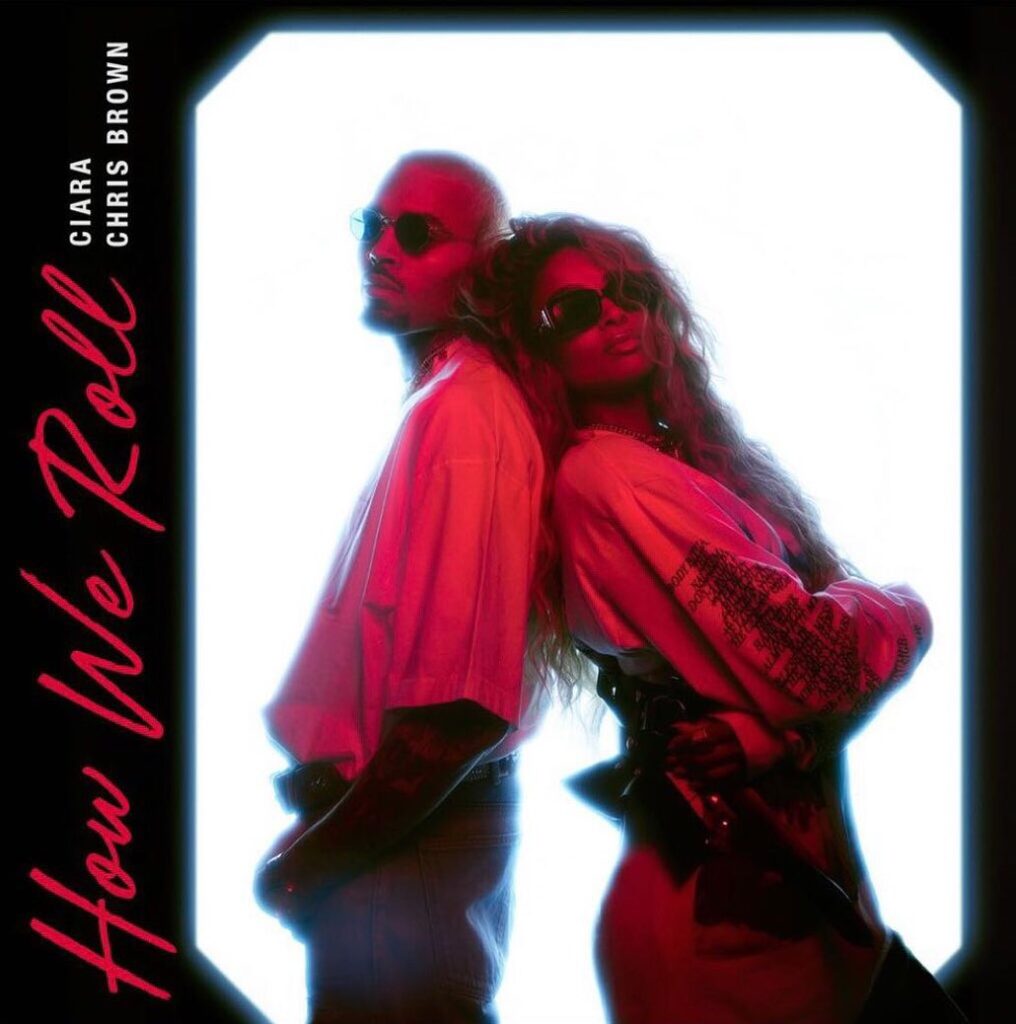
True to the old African adage that if one seeks to go far, one must join a group and set out, “How We Roll” was the work of three producers, namely Kamera, Deli Banger, and Precision Productions. With five songwriters credited, the creative vision within the pot wasn’t spoiled by having too many cooks; on the contrary, Mr Kamera admitted that having minds swirling in the mixture was what aided the maturation of the song.
“I love collaborating with other producers. I feel like collaborations bring out the best in records. As for “How We Roll” in particular, I started the beat then the other producers contributed to it after I had sent it over. I feel like all the greatest records have to go through many hands for them to sound great.” he said.
The song has since spawned more remixes, particularly one with American rapper Lil Wayne and another with South African duo Major League DJz. He spoke about the matrix of the beat relative to Wayne’s contribution, sharing what made the remix click without losing the essence of the first version.
“Simplifying the beat gives space for other elements to be added to the beat. So I feel that because the beat was not busy, it gave space for Wayne to put a guitar solo in the end. This is the advantage of not making a beat too busy especially when you are collaborating with other people.” he said.


