


On The Life of a Showgirl, Taylor Swift doesn’t just step onto the stage, she erupts from behind the curtain, drenched in light and legacy.
The album opens like a thunderclap. It’s bold, theatrical, and unapologetically self-authored. It’s not meant to charm; but to command. After years of being analyzed, adored, and antagonized, Swift finally takes back the narrative, sequins, spotlight, and all. This isn’t reinvention for survival. It’s resurrection by design.
The unveiling track, “Velvet Curtain,” sees Swift striding onstage with the swagger that used to being reserved for her antagonists. The production is cinematic, strings swirl, drums crack like flashbulbs and her voice sounds unbothered, alive, slightly dangerous. She’s not chasing approval anymore; she’s performing for herself. The difference is electric.
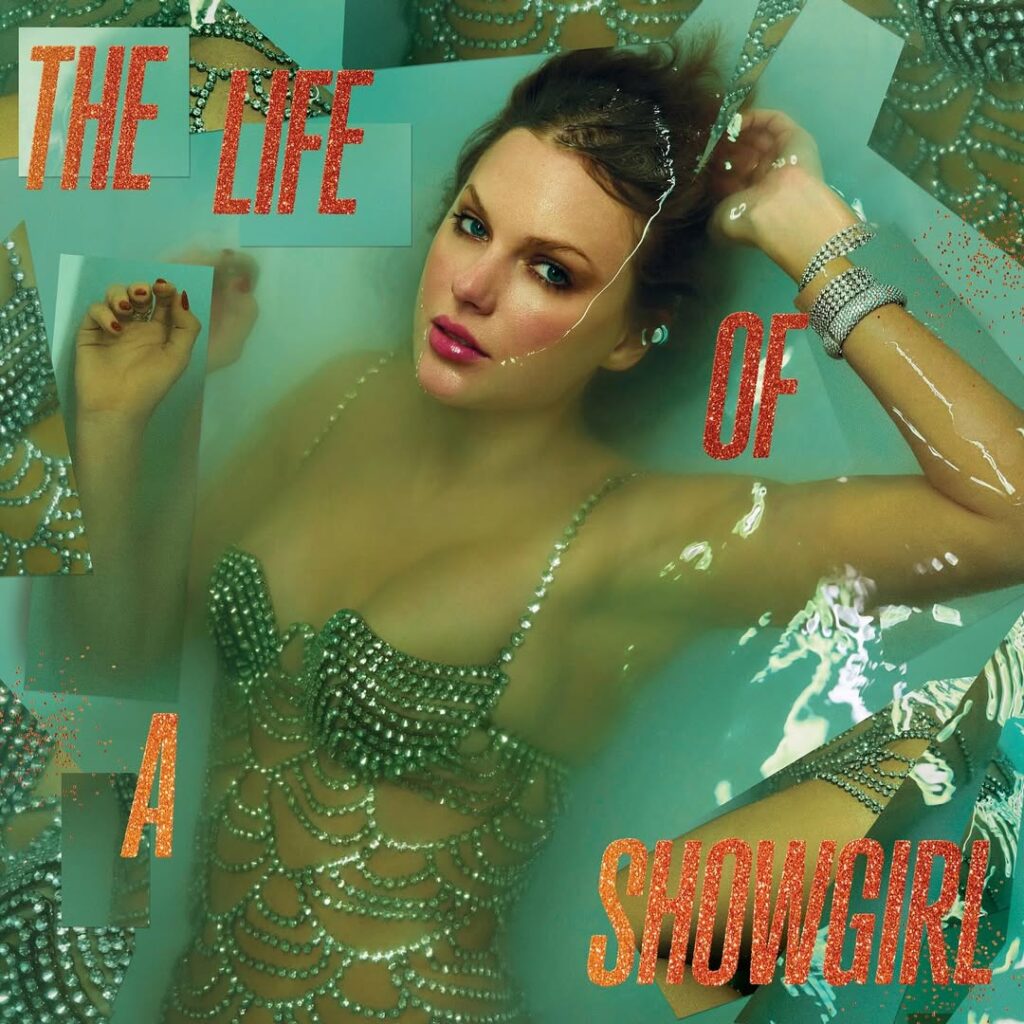
The Life of a Showgirl cover art | Credit: Instagram
Where Midnights whispered secrets to the ceiling, The Life of a Showgirl shouts them into the rafters. It’s a record about performance as survival, the idea that you can sell the fantasy while protecting the truth. Tracks like “Gilded in Gold” and “Costume Changes” dissect the exhausting rituals of fame with biting humor and self-awareness. Swift isn’t lamenting the spotlight anymore; she’s controlling the lighting rig.
The heart of the record, though, is its emotional duality. Beneath all the rhinestones lies a restless, deeply human core. On “Dressing Room Tears,” she strips away the sparkle, no metaphors, no clever turns and just sings. It’s one of her rawest vocals in years, the kind of confession that makes silence feel like applause. Swift has always written about heartbreak; here, she writes about identity’s wear and tear.
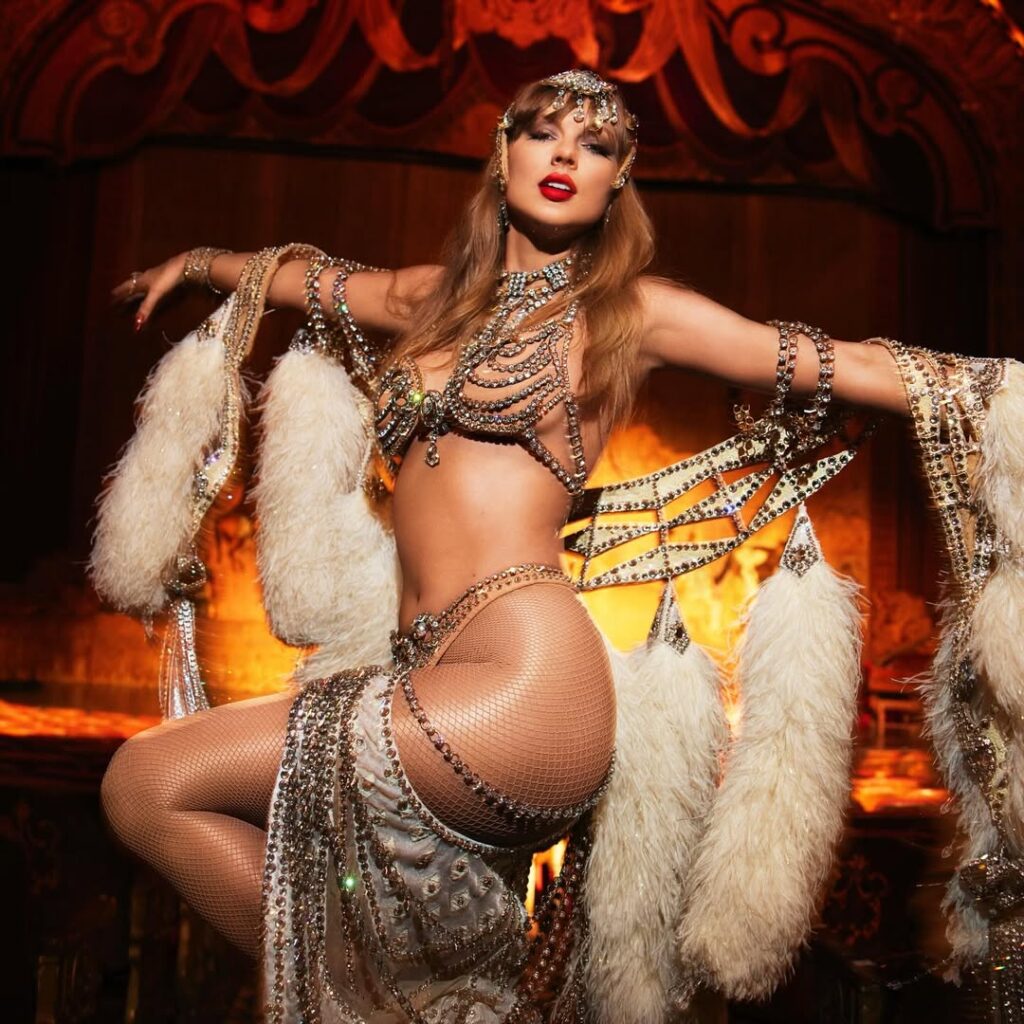
Taylor Swift | Credit: Instagram
Musically, Showgirl is dazzling and deliberately excessive. There are disco-funk breakdowns, synth-pop bangers, and even a few smoky jazz-inspired interludes. It’s chaotic, but feels alive, like the afterparty of every era she’s lived through. Max Martin’s fingerprints are there, but Swift’s creative direction dominates: sharp, theatrical, unapologetic. She’s no longer reinventing her sound to fit a trend; she’s building her own genre.
Lyrically, this might be Swift’s most self-aware work. “Standing Ovation” doubles as both a love song and an elegy for public approval, while “Encore (For No One)” skewers the cycle of attention and abandonment that fame breeds. She’s writing from the inside out, not to prove she’s relevant, but to show she’s survived relevance.
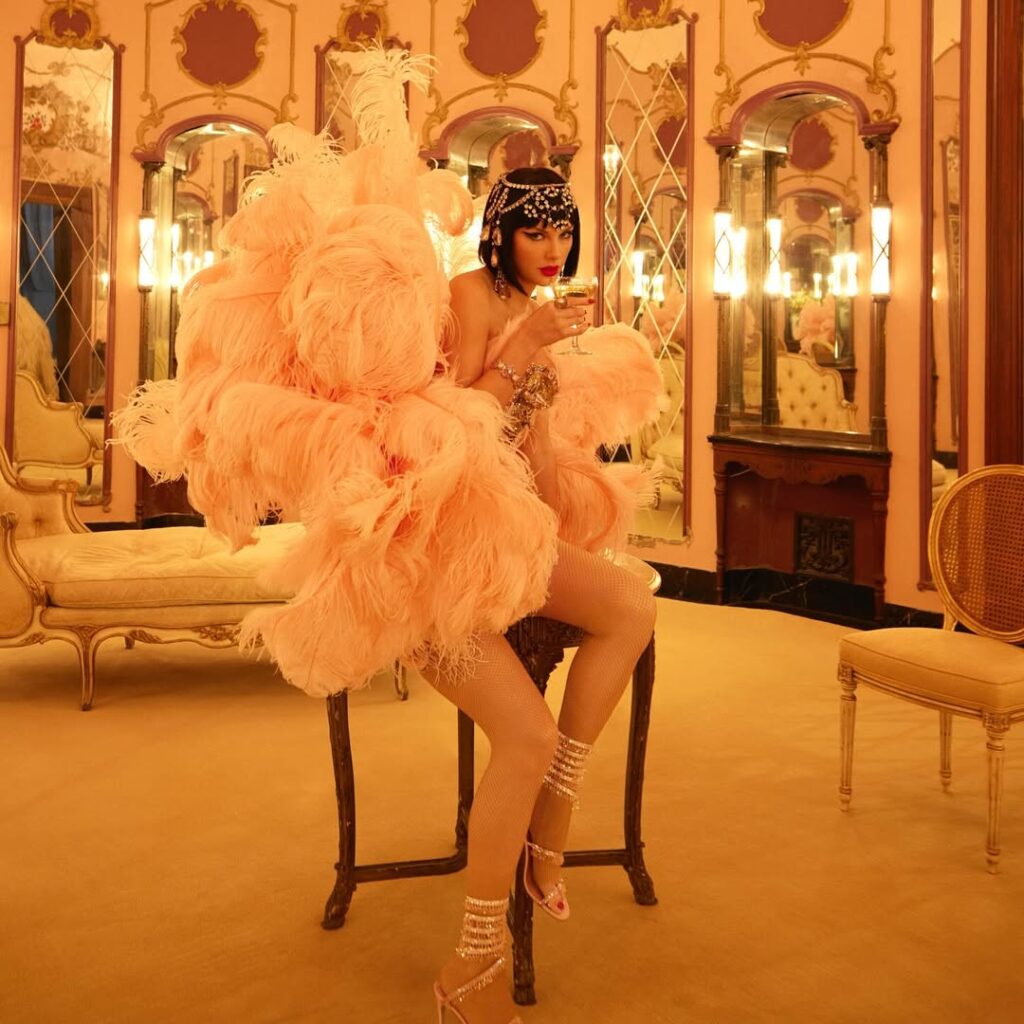
Taylor Swift | Credit: Instagram
By the album’s closer, “Take a Bow,” Swift sounds untouchable. It’s not arrogance, it’s arrival. She’s lived through the tabloid storms, the think pieces, the endless scrutiny, and now she’s standing under her own spotlight, grinning.
The Life of a Showgirl isn’t just Taylor Swift’s next era, it’s her victory lap. It’s loud, layered, and gleaming with self-possession. If this is what happens when she stops playing to the crowd and starts performing for herself, then long live the showgirl.
Words by Zimiso Nyamande


