


Lighting up the ever-vibrant arena of Afrobeats with his debut smash hit “Caution” and his follow-up banger titled “Casablanca”, Nigerian singer-songwriter Shoday’s career exemplifies the concept of doing the most without putting too much pressure on the gas pedal—and being effective at it. Since breaking through in 2022, the Lagos star has garnered a respectable following in his motherland, the broader scope of the African continent and the United Kingdom, boasting recent successful tours in his land of birth, in South Africa, and in the UK.
Born Shodade Solomon Segun, the Najia hitmaker spoke about where his love for music was nurtured, from days in church to realising the full extent of his dreams in the Lagos suburb of Agege.
“My love for music started in church. I used to follow my sister to choir rehearsals, where I learned how to do music. When the time came and I decided that I wanted to do things professionally, I started making songs in Agege and dropping them, and I would say that God has been faithful ever since,” he said.
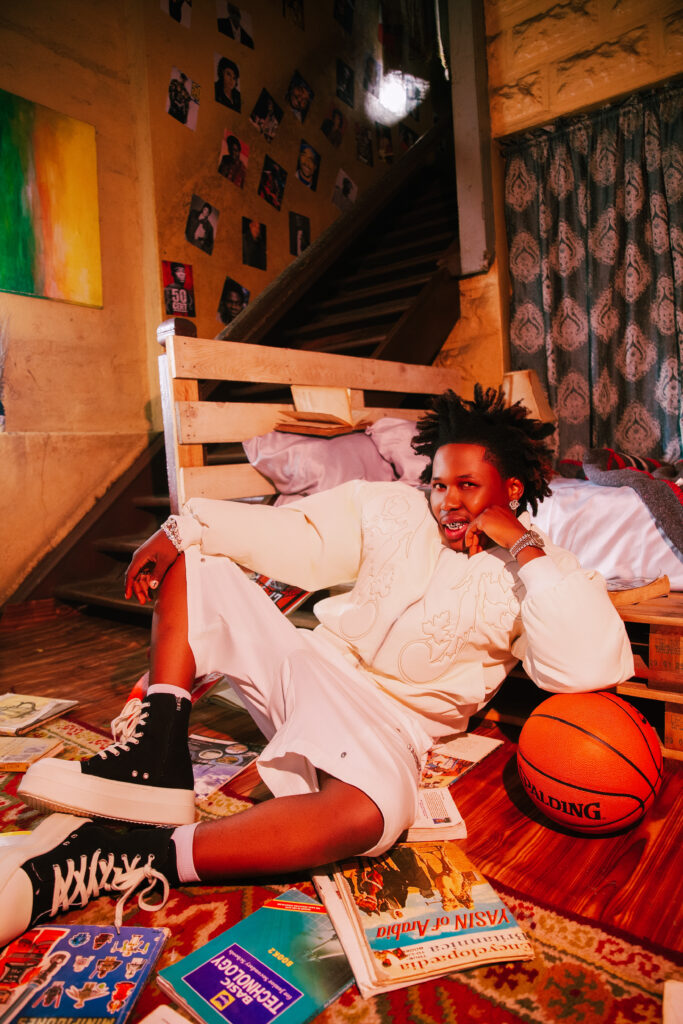
Shoday | SUPPLIED
Segun shared his feelings concerning the pair of singles that shifted the trajectory of his life, elevating his career: “Caution” and “Casablanca”.
“My first two songs changed my life, especially ‘Caution’ since it was my breakout single three or so years ago. Those two songs came as a result of persistence and consistency. Amazing songs I am proud of,” he said.
To consolidate his rise and to stoke the flames of his sprawling fandom, Shoday went on a tour, covering the United Kingdom, and most recently South Africa. More than about regaling his fans with his music, the singer talked about the importance of travelling and how vital the accumulation of new, foreign experiences was to the growth of a musician and their artistry.
“I’ve learned quite a lot of things from the tours I just embarked on. I got to learn about new cultures and new people in general. For example, when I did an interview while in South Africa, I got to learn some new words like mahala, which means for free, and so there’s also the element of getting to know more languages as well.
“For me, music is far beyond just singing. It’s about the experience. That’s why I like to experience things in order to create something out of it. A good creative needs to travel everywhere and needs to explore other places to gain new experiences. That way, all your songs won’t sound the same, like you’re repeating the same thing over and over and telling the same story,” he said.

Shoday | SUPPLIED
Discovering new wells of music—as well as a love for chakalaka—while in SA, Segun shared his experience in the country and how the stay influenced his thinking and his idea of making music.
“During my time in South Africa, I went to a place called Louis, a club in Rosebank, and I saw how different things are because of how differently South Africans club compared to how we do it in Lagos. I got to discover new sounds, new artists, new producers—it was such an amazing experience in Mzansi. My intention now is to take all that I’ve learned and see how I can infuse it into my style,” he said.
Through the ups and downs, Shoday credited divine favour for his breakthroughs musically and talked about being able to accept wins and losses with the same attitude in order to grow and become a better artist.
“Growing in the industry has not been easy, so the glory be to God. If God didn’t want me to be here, then there should’ve been a sign already that I shouldn’t be. The songs I’m making blowing up the way they are, to me, is a sign that He wants me do this. This is my calling. Sometimes things don’t go as planned and we don’t see the results we wish to see—that is also very much part of the game. Every day cannot be Christmas, that’s what we say back in Nigeria, so it’s been important for me to know that successes and losses are all part of the game and that everything coming together is the reason Shoday will be a great artist in the future,” he said.
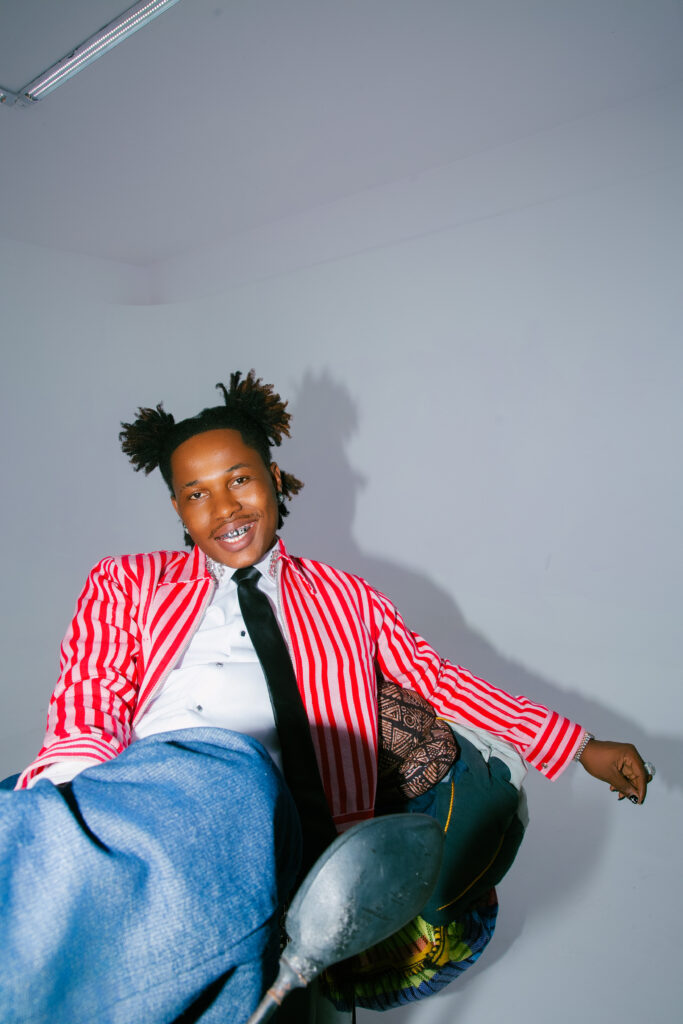
Shoday | SUPPLIED
True to the motivational saying that rejection is merely redirection, Shoday looked over his shoulder, grateful for all the doors that were slammed in his face, crediting them for his ability to grow, to look within, and to become better rather than bitter.
“Redemption has been a very common theme in my career. Sometimes you want to work with certain people and they turn you down. I faced rejection a lot in the past and that affected my courage and my confidence. Because of that, I had to work harder to prove them wrong and to show them that I am someone worth working with. It has made me better as an artist because I’ve learned to work on myself,” he said.
Looking to the future, Shoday shared his desire of how he wants to be remembered while on stage.
“I would love people to remember me for my performances, and for everything they experience to live on in their heads and their hearts. I want my fans to feel it their hearts everytime they come to my shows that I am an amazing person and performer,” he said.
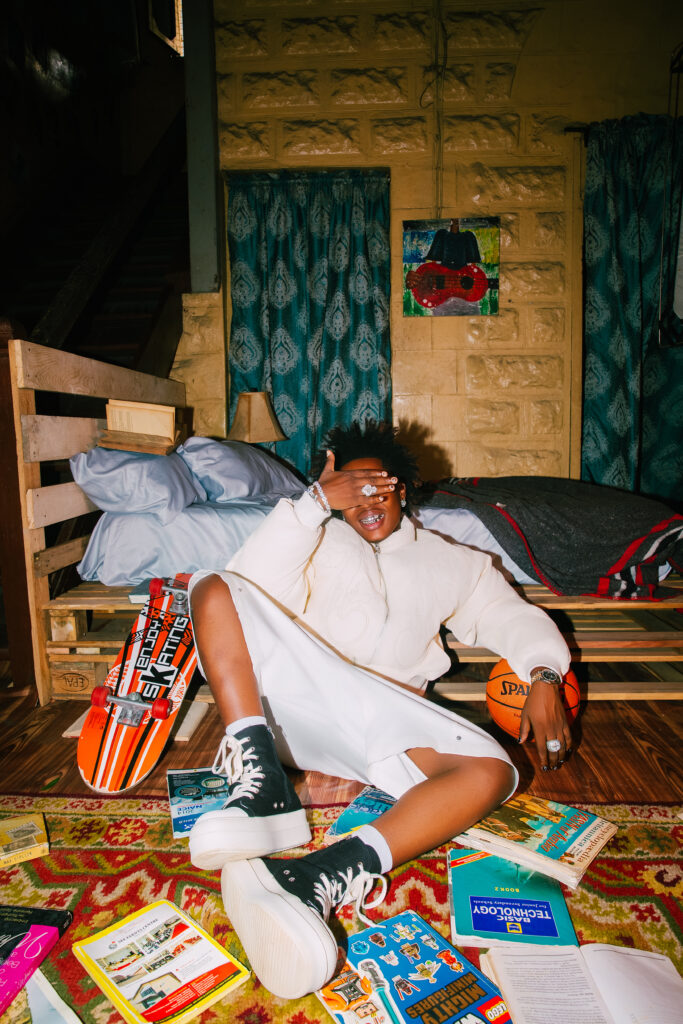
Shoday | SUPPLIED
Shoday spoke about the importance of Afrobeats not only as an African sound but as a continental heritage that is to be treasured.
“When I think about Afrobeats, I feel like it’s far beyond it simply being one solid genre—I see it as our heritage and our pride as Africans. You can be an Afrobeats artist who does other genres without doing a deep dive but still remaining true to your original style. Like, with me, I still am rooted in Afrobeats, but I do have some amapiano songs and some other stuff I’ve done in other genres. And still, even when I do go into other sounds, I still think about ways I can mix in some Afrobeats because that’s who I am,” he said.


