


There is a difference between making music about success and making music after success has already happened. One is driven by pursuit. The other is driven by reflection. On M$NEY, Asake no longer sounds like an artist chasing escape. He sounds like someone standing inside the reality he once dreamed about, trying to understand what it has cost him psychologically, spiritually, and emotionally. That distinction matters because M$NEY is not built like a victory lap. It is built like an internal audit.
Over the last few years, Asake has existed in constant acceleration. From the start, his rise felt explosive, almost unnatural in speed. The music reflected that urgency. Drums crashed into chants. Log drums collided with Fuji cadences. Street poetry became festival music. His voice carried hunger, celebration, and exhaustion all at once. He sounded like an artist outrunning silence. But M$NEY feels different because silence has finally caught up.
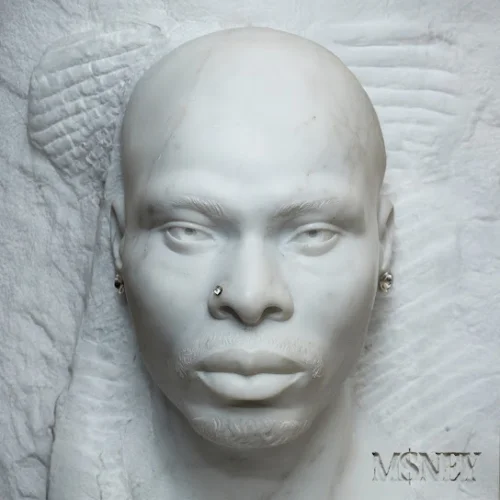
M$NEY album cover | SUPPLIED
The album operates less like a collection of bangers and more like a meditation on consequence. Wealth here is not framed as luxury alone, it is framed as responsibility, paranoia, isolation, gratitude, and spiritual reckoning. The dollar sign in the title is not aesthetic decoration. It becomes symbolic language. Money on this project represents transformation, but also emotional erosion. It represents survival in an industry where visibility demands sacrifice.
From the opening moments, Asake sounds restrained. Not weaker, restrained. The difference is important. M$NEY thrives on control. The production is expansive yet measured, filled with airy synths, layered percussion, gospel harmonies, jazz textures, and restrained amapiano rhythms that feel designed to create atmosphere rather than immediate impact. The sonic architecture is luxurious, but beneath that luxury sits tension. That tension defines the album.
Throughout the project, Asake wrestles with duality, faith versus ego, fame versus loneliness, peace versus excess. He repeatedly returns to spirituality, not as performance, but a grounding. Prayer, gratitude, divine protection, and references to destiny appear constantly across the record. In many ways, M$NEY feels like the sound of an artist attempting to remain spiritually intact while existing inside overwhelming success. What makes the album compelling is that Asake never fully resolves these contradictions. He lives inside them.
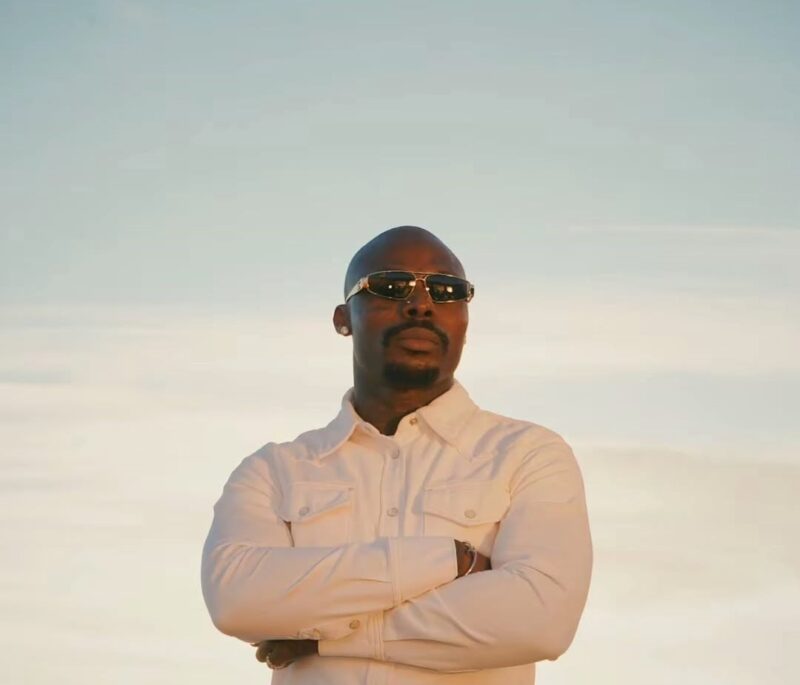
Asake | SUPPLIED
On tracks like “Rora,” melody becomes emotional camouflage. The song feels warm and celebratory on the surface, but beneath it lies fatigue. His delivery carries the emotional weight of someone trying to convince himself that peace has finally arrived. Similarly, “MCBH” carries a hypnotic fluidity, yet the repetition throughout the record begins to feel intentional, almost ritualistic, as though Asake is using rhythm to stabilize himself emotionally.
The production choices reinforce this beautifully. Many songs feel spacious, leaving room for introspection. Percussion arrives patiently rather than explosively. Choir elements drift through the background like memory or conscience. Even when the album becomes danceable, there is restraint in its movement. Unlike earlier projects where rhythm demanded physical release, here rhythm often feels psychological. That shift reveals artistic maturity, but it also exposes the album’s central limitation. M$NEY sometimes becomes too committed to mood at the expense of confrontation.
Asake has always communicated emotionally through texture more than explicit storytelling. His music relies heavily on feeling, cadence, repetition, and spiritual energy. He rarely explains himself directly. On M$NEY, that artistic philosophy reaches its peak. The album prioritizes emotional environment over narrative specificity. Rather than telling listeners exactly what he feels, he immerses them inside the emotional climate surrounding him.

Asake | SUPPLIED
The result is an album that unfolds slowly. It demands patience. This is not a project engineered purely for first-listen gratification. Its depth reveals itself through repetition, through noticing the emotional restraint in his voice, the silence between drums, the subtle weariness hidden beneath celebratory chants.
The cohesion of the project is one of its strongest achievements. The transitions feel intentional. The pacing feels authored rather than algorithmic. M$NEY plays like a late-night drive through a city that once inspired ambition but now provokes introspection. The further the album progresses, the less interested it becomes in spectacle and the more invested it becomes in emotional atmosphere. In many ways, this is Asake’s most psychologically aware project.
Not because it is his most lyrical, but because it understands emotional contradiction. It understands that success can coexist with anxiety. That gratitude can coexist with emptiness. That wealth can solve material problems while intensifying spiritual ones. Ultimately, M$NEY is not an album about money itself. It is about what happens after money changes your environment, your relationships, your sense of self, and your relationship with God. It is about learning that elevation does not erase internal conflict. Sometimes it magnifies it. Earlier in his career, Asake sounded like a man trying to enter the room. On M$NEY, he sounds like a man alone inside it, reflecting on everything it took to get there.


