


Ye has always understood the value of narrative framing, how an album can function as both confession and construction. With Bully, he leans into that duality more deliberately, shaping a record that reads like a study in pressure, external, internal, and self-imposed. The album’s core tension isn’t just conflict with the world, it’s the friction between the persona Ye projects and the person he intermittently reveals.
Bully feels shaped by that exact condition. It plays like a body of work built in motion, where contradiction isn’t something to fix but something to inhabit. Ye doesn’t attempt to clean up the noise around him, he absorbs it, refracts it, and turns it into texture. The result is an album that leans into its roughness, imperfect in structure, but deliberate in that imperfection.
Ye has long treated albums as narrative architecture, spaces where identity is both exposed and reconstructed. Here, that instinct sharpens. Bully operates simultaneously as confession and construction, blurring the line between what is revealed and what is re-authored. He isn’t just documenting his position, he’s actively reshaping how it’s perceived, even as it continues to shift.
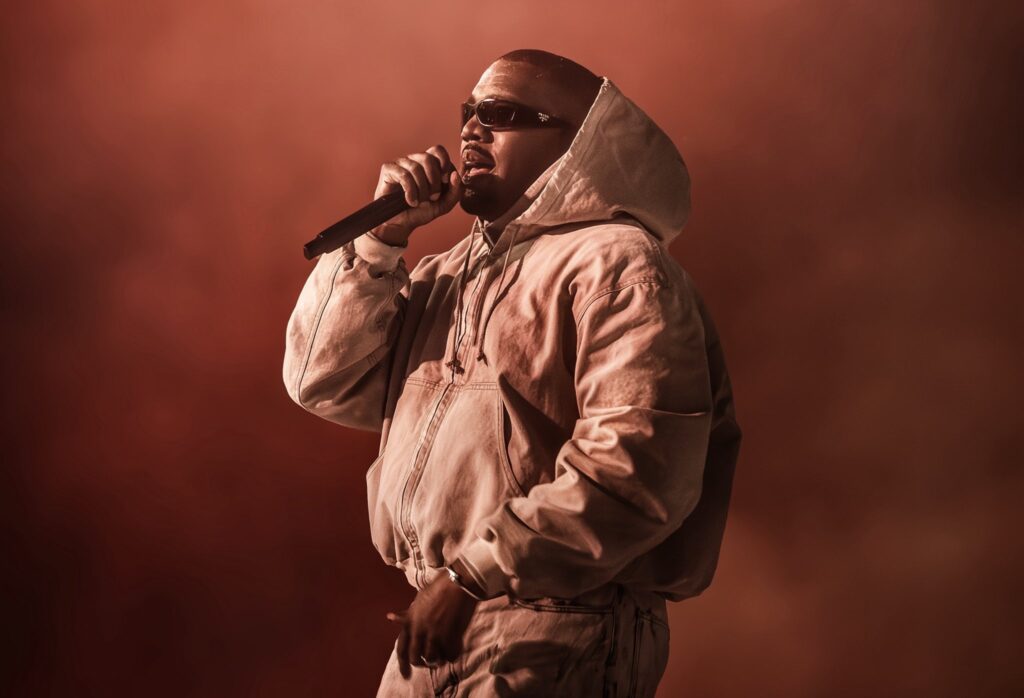
Ye | SUPPLIED
The opening stretch makes that clear. “KING” and “THIS A MUST” establish the album’s central posture, defiance not as spectacle, but as survival. There’s a weight to how he asserts himself here. The confidence feels earned through friction rather than assumed. By the time “FATHER” arrives, featuring Travis Scott, the tone pivots inward. The track introduces one of the album’s key tensions, legacy versus responsibility. Ye doesn’t resolve it, he circles it, letting the production carry as much of the emotional load as the words themselves.
That interplay between assertion and introspection runs throughout the album. “ALL THE LOVE,” with André Troutman, and “MAMA’S FAVORITE” soften the edges without losing thematic weight. These tracks don’t function as detours, they expand the emotional range of the album, grounding its more confrontational moments in something recognizably human. There’s a noticeable restraint here, less about grand declarations, more about tone and atmosphere doing the work.
Midway through, Bully finds its conceptual center. “SISTERS AND BROTHERS” and the title track “BULLY,” featuring CeeLo Green, push outward into broader commentary, community, power, and perception. The title track, in particular, reframes the album’s name. “Bully” isn’t just aggression, it’s defense, posture, survival mechanism. Ye positions himself not simply as aggressor, but as someone shaped by constant confrontation, someone responding in kind.
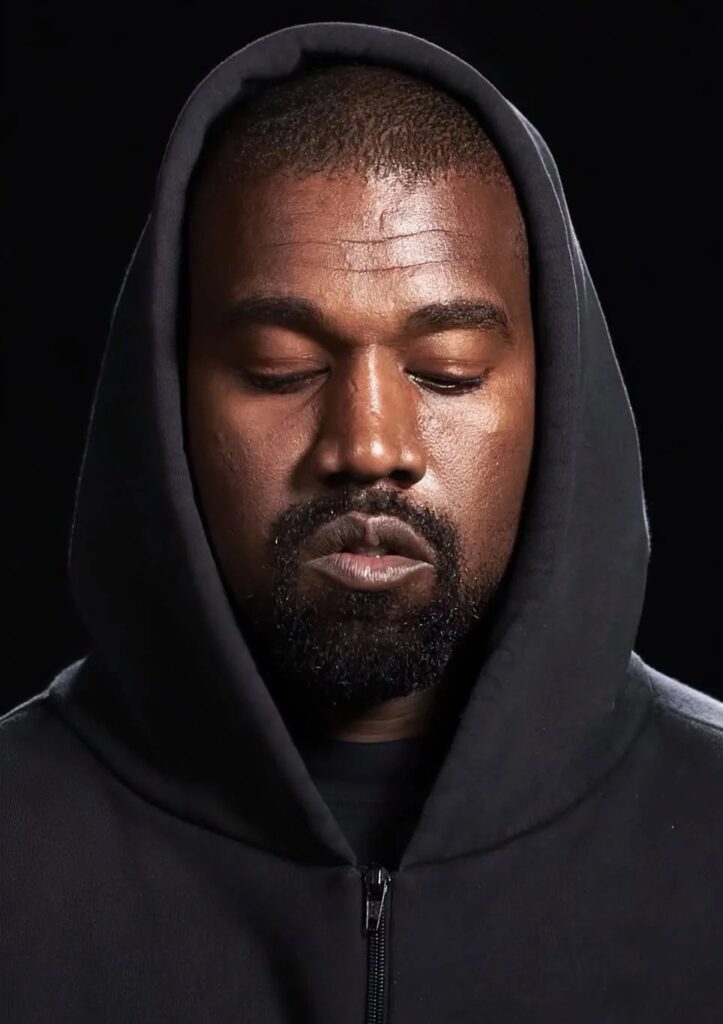
Ye | SUPPLIED
“HIGHS AND LOWS” and “I CAN’T WAIT” extend this duality. The sequencing is deliberate, moments of elevation sit directly beside moments of doubt, forcing the listener to engage with both simultaneously. There’s no clean separation between triumph and uncertainty, they bleed into each other, reinforcing the album’s central idea that identity is unstable, constantly negotiated.
The latter half of the album leans more reflective. “CIRCLES,” featuring Don Toliver, captures repetition as both comfort and trap, while “PREACHER MAN” and “BEAUTY AND THE BEAST” explore faith and morality without settling into easy conclusions. Ye doesn’t position himself as redeemed or condemned, he exists somewhere in between, navigating both.
By the time “LAST BREATH,” featuring Peso Pluma, and “THIS ONE HERE” close the album, Bully has fully revealed its structure. It isn’t a linear narrative, it’s cyclical. Themes return, perspectives shift, and nothing resolves completely. That lack of resolution is the point. Ye
isn’t offering clarity, he’s documenting process.
Watch “FATHER”:
What Bully ultimately achieves is a reframing of Ye’s core ideas, ego, faith, legacy, scrutiny through fragmentation rather than certainty. The album doesn’t hand the listener conclusions, it provides tension, atmosphere, and space to interpret. That’s where its strength lies.
For an artist whose catalog is defined by decisive, era-defining statements, Bully operates differently. It’s less about declaring dominance and more about sustaining presence. It rewards engagement, not immediacy. The deeper you sit with it, the more its internal logic reveals itself.
And that’s the real sell of Bully, not that it demands to be understood on first listen, but that it earns its weight over time. It’s an album that doesn’t resolve the noise around Ye, it absorbs it, reshapes it, and leaves you to sit inside it.
Words by Zimiso Nyamande


