


There is a deliberate patience to the way JAZZWRLD, Thatohatsi, and Thukuthela construct emotion on “Ningikhonzele”. The record does not rush to announce itself through explosive drops or overcrowded production tricks. Instead, the trio allows rhythm, silence, texture, and vocal presence to carry the emotional weight with careful precision. That restraint is what separates the song from much of what currently exists within the broader amapiano and 3-step ecosystem. JAZZWRLD’s atmospheric production, Thatohatsi’s emotional delivery, and Thukuthela’s immersive sonic touch work together to create something that feels deeply intentional. Rather than sounding like a conventional performance, “Ningikhonzele” unfolds like an environment listeners are invited to emotionally sit inside.
What immediately stands out on Ningikhonzele is the architecture of the collaboration between JAZZWRLD, Thatohatsi, and Thukuthela. Together, they continue refining the emotionally driven 3-step sound they are increasingly becoming associated with within South African dance music. The percussion moves with a loose but intentional swing, avoiding the predictable formulas that have started flattening much of mainstream amapiano. There is an organic quality to the drums, layered instrumentation, and atmospheric pacing that gives the song movement without making it feel mechanical. Even at its most hypnotic, the groove never loses its humanity.
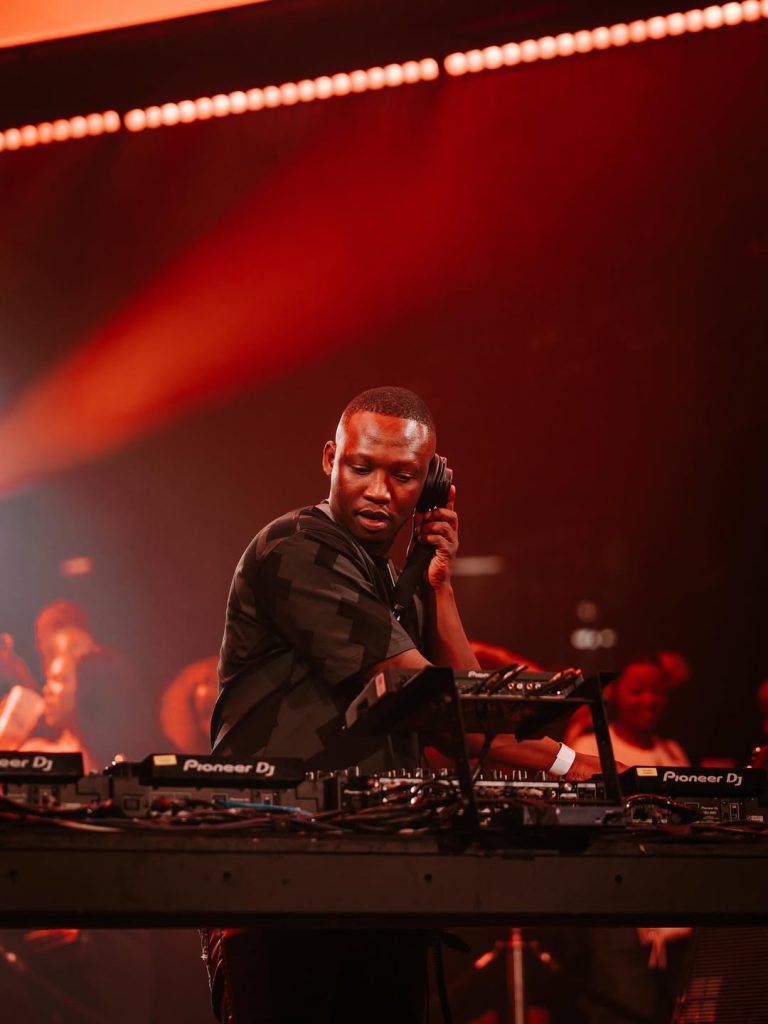
JAZZWRLD | SUPPLIED
Vocally, the record carries a sense of emotional searching rather than straightforward performance. Thatohatsi’s delivery drifts through the instrumental like memory resurfacing, while Thukuthela and JAZZWRLD shape the surrounding soundscape with restraint and sensitivity. The song never feels dominated by ego or overperformance. Instead, it creates a communal emotional space where repetition, harmonies, and melodic loops slowly pull listeners inward. The emotional core of “Ningikhonzele” is not rooted purely in lyricism, but in the tension between vulnerability, rhythm, and atmosphere.
What makes the track particularly effective is how naturally the three artists move between worlds. “Ningikhonzele” is clearly rooted in dance culture, yet it resists functioning purely as club music. There are traces of Afro-house spirituality, amapiano minimalism, and jazz-inspire openness embedded throughout the arrangement. JAZZWRLD’s atmospheric production, Thatohatsi’s emotionally textured vocals, and Thukuthela’s immersive sonic contributions all work together toward emotional immersion rather than instant gratification. The collaboration feels deeply intentional, driven by feeling rather than trend-chasing.
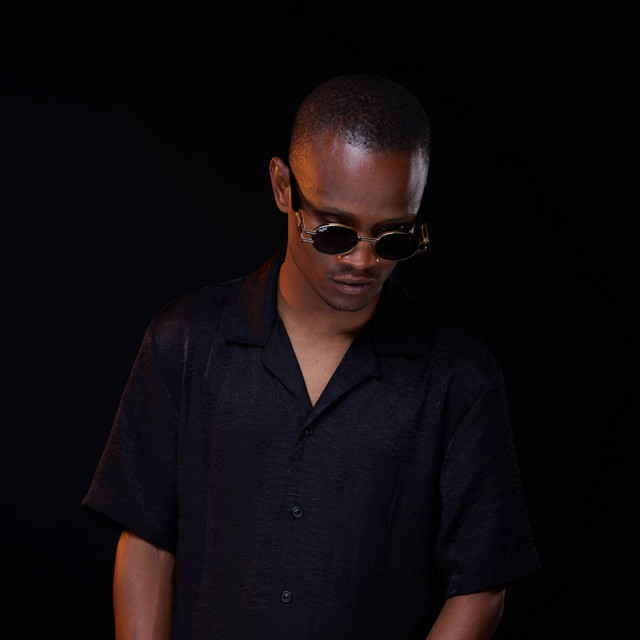
Thukuthela | SUPPLIED
The strongest aspect of the song is its ability to create emotional scale without sounding theatrical. Many contemporary dance records mistake loudness for impact, but JAZZWRLD,
Thatohatsi, and Thukuthela approach impact differently. They build atmosphere gradually, allowing the song to breathe until listeners become emotionally attached almost unconsciously. The transitions feel cinematic without becoming overproduced, while even the quieter moments carry weight, as though silence itself is being used as part of the instrumentation.

Thatohatsi | SUPPLIED
Ultimately, “Ningikhonzele” confirms why JAZZWRLD, Thatohatsi, and Thukuthela are becoming important voices within the evolution of 3-step and adjacent South African electronic sounds.
The song is not engineered purely for virality or short-term trends, it is designed to linger emotionally. “Ningikhonzele” feels like part of a broader artistic movement toward restoring depth, spirituality, and emotional storytelling within contemporary electronic music. Rather than chasing chaos, the trio lean into control, atmosphere, and feeling, and that gives the record its lasting weight.
Check out “Ningikhonzele”:


