


Absence, for Giveon, has never sounded like emptiness. It has sounded like distance, reflection, restraint. On BELOVED: Act II, the Long Beach singer returns not with reinvention, but with emotional refinement. The project does not chase spectacle or urgency. Instead, it deepens the emotional world Giveon has spent years constructing, one built on longing, silence, romantic decay, and the unbearable weight of memory. Where many contemporary R&B artists dramatize heartbreak through excess, Giveon continues to understand something more difficult, devastation is often quiet.
What emerges across BELOVED: Act II is an artist less interested in resolution than emotional excavation. The album plays like a series of late-night recollections, fragmented conversations replayed in isolation, moments revisited not to heal from them, but to better understand why they still linger. Giveon has always approached music like someone standing inside the aftermath of love rather than its collapse itself. Here, that perspective becomes even more pronounced. The songs are not explosive confessions. They are emotional autopsies.
From its opening moments, the project feels deliberate in its pacing. Nothing rushes toward climax. Nothing reaches for obvious catharsis. The production leans into spaciousness, skeletal percussion, soft piano passages, muted textures, and slow-moving instrumentation that leaves room for reflection. This restraint becomes the album’s emotional architecture. Silence matters here. Pauses matter. The space between lines often says more than the lyrics themselves. Giveon’s voice, still one of the most distinct instruments in modern R&B, moves through these songs with remarkable control. His baritone does not overpower the production, it drifts through it like memory resurfacing unexpectedly.
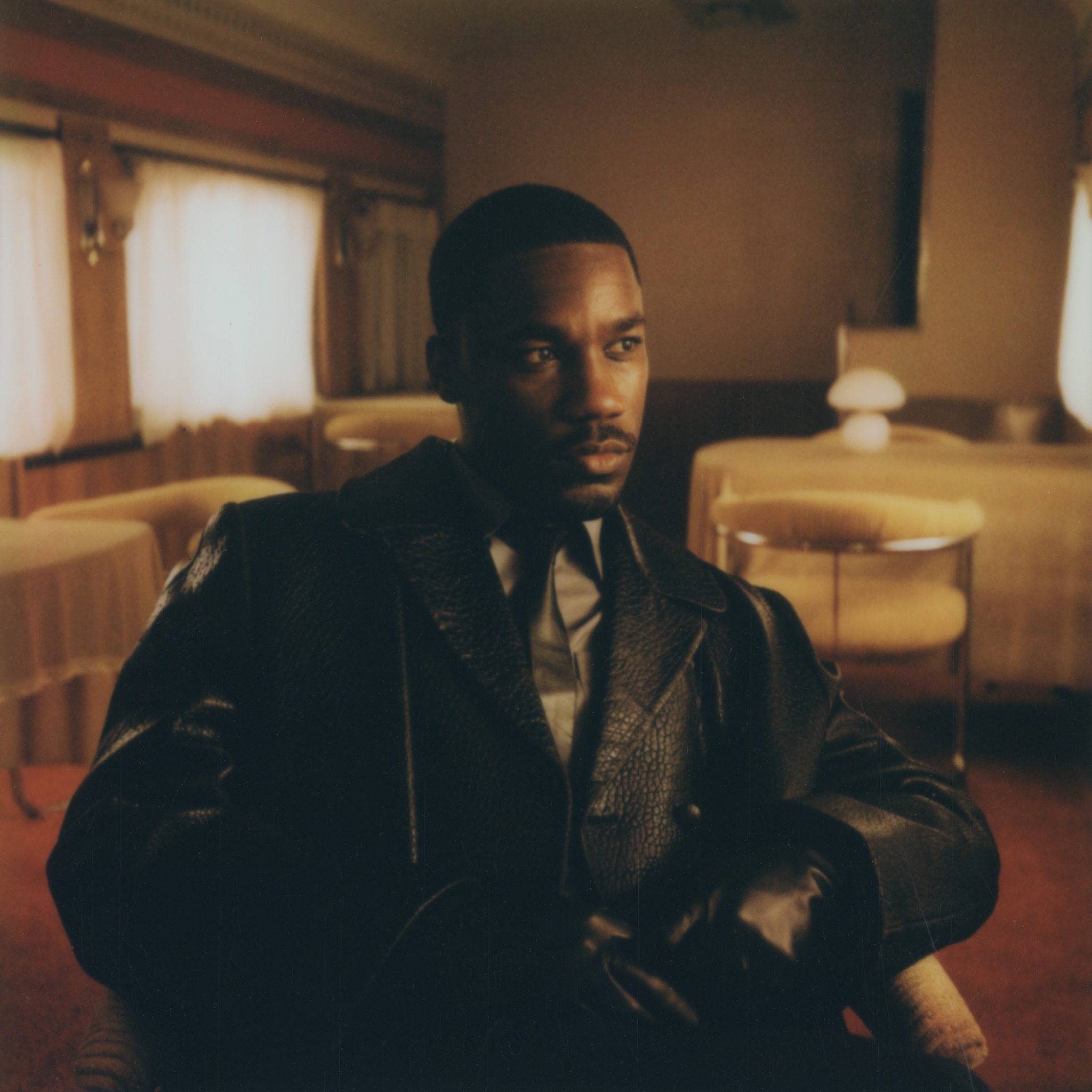
GIVEON | SUPPLIED
Thematically, BELOVED: Act II is consumed by emotional contradiction. Love is presented not as comfort, but as residue. Relationships do not end cleanly in Giveon’s world. They echo. They mutate into guilt, nostalgia, confusion, and self-interrogation. On tracks like “STRANGERS” and “NUMB,” he explores emotional disconnection with unsettling precision, capturing the strange loneliness of intimacy that no longer feels emotionally alive. The writing avoids melodrama entirely. Giveon rarely overexplains his pain. Instead, he trusts implication, allowing emotional tension to accumulate naturally.
That emotional subtlety becomes one of the album’s greatest strengths. In an era where vulnerability is often flattened into oversharing, Giveon understands the power of emotional restraint. His performances feel internal rather than performative. When his voice cracks slightly or stretches into discomfort, it feels less like vocal showcasing and more like emotional fracture revealing itself in real time. The album’s most affecting moments come not when he raises his voice, but when he nearly disappears into the production altogether.
Musically, the project expands his palette carefully without abandoning the melancholic atmosphere that defines him. “JEZEBEL” introduces warmth and groove into the album’s otherwise heavy emotional landscape, offering a subtle reminder that desire and pain often coexist. “SAVE SOME FOR ME,” featuring Kehlani, works because it interrupts Giveon’s isolation with urgency and emotional friction, while “FOOL ME ONCE” gains movement through Leon Thomas’ elasticity. On “REPLICA,” Sasha Keable’s contribution transforms the track into something bruised and conversational, less a feature than a mutual emotional unraveling.

GIVEON | SUPPLIED
Still, BELOVED: Act II also exposes the limitations of Giveon’s artistic minimalism. Several songs bleed into one another structurally, built from similar tempos, textures, and emotional tones. The album occasionally risks becoming emotionally monochromatic, particularly for listeners expecting dramatic shifts or narrative peaks. But perhaps that repetition is intentional. Heartbreak itself is repetitive. Memory itself is repetitive. Giveon does not treat longing as cinematic tragedy, he treats it as emotional routine, something lived with daily rather than conquered decisively.
What ultimately elevates the album is atmosphere. BELOVED: Act II feels immersive in the way certain memories feel immersive, difficult to escape once they return. The sequencing is patient and cohesive, allowing the emotional weight to accumulate gradually rather than forcefully. Listening to the album feels less like moving through individual songs and more like sitting inside a lingering emotional state. The experience resembles solitude after midnight, when distractions disappear and unresolved feelings become impossible to outrun.
There is also maturity in Giveon’s refusal to chase immediacy. Nothing here feels engineered for virality or short-term impact. The songs unfold slowly, almost stubbornly, demanding patience from the listener. That patience gives the project durability. Rather than overwhelming on first listen, the album deepens through repetition. Certain lines land harder days later. Certain melodies return unexpectedly. BELOVED: Act II is not designed for instant gratification. It is designed for emotional permanence.

GIVEON | SUPPLIED
Ultimately, the album is not about heartbreak itself. It is about what remains after heartbreak settles into memory. Giveon is no longer simply documenting failed relationships, he is documenting the psychological architecture they leave behind. The loneliness. The hesitation. The emotional residue that quietly reshapes a person over time.
In many ways, BELOVED: Act II feels like Giveon fully embracing his artistic identity rather than expanding beyond it. Earlier projects introduced his emotional world. This one sharpens it. The restraint is more controlled, the writing more precise, the atmosphere more immersive. He sounds less interested in proving himself and more invested in permanence. BELOVED: Act II does not reinvent Giveon. It does something more difficult. It deepens him.
Preview BELOVED: Act II


