


There is a particular frustration that comes with being called “next” for too long. AZ Chike knows it. He has been building toward the moment people suddenly started treating him like a discovery, putting in years of work before Kendrick Lamar’s 2024 Juneteenth Pop Out made his name considerably harder to ignore. Then came “Peekaboo” on GNX, and with it came a different kind of attention. But No Rest For the Wicked refuses to sound like an artist grateful simply to have been invited into the room. It sounds like someone who has been waiting outside that room for years and has finally decided to kick the door open.
That history matters because No Rest For the Wicked is less a victory lap than an argument for why AZ Chike deserved the attention in the first place. Across 14 tracks, the Los Angeles rapper attempts something that can easily become disastrous in lesser hands, a rap album capable of moving between street records, introspection, melody, sensuality and outright flexing without making those identities feel disconnected. “God’s Favorite” and “Hateful + Grateful” lean into the crooked swing of contemporary Los Angeles rap, while “Lamb Truck Keys” and “Negative” sharpen that sound for a larger audience. “Need Your Love” strips things back, “Packed Up” heads toward trap, and the Tyler, the Creator-assisted moments introduce an entirely different textural world.
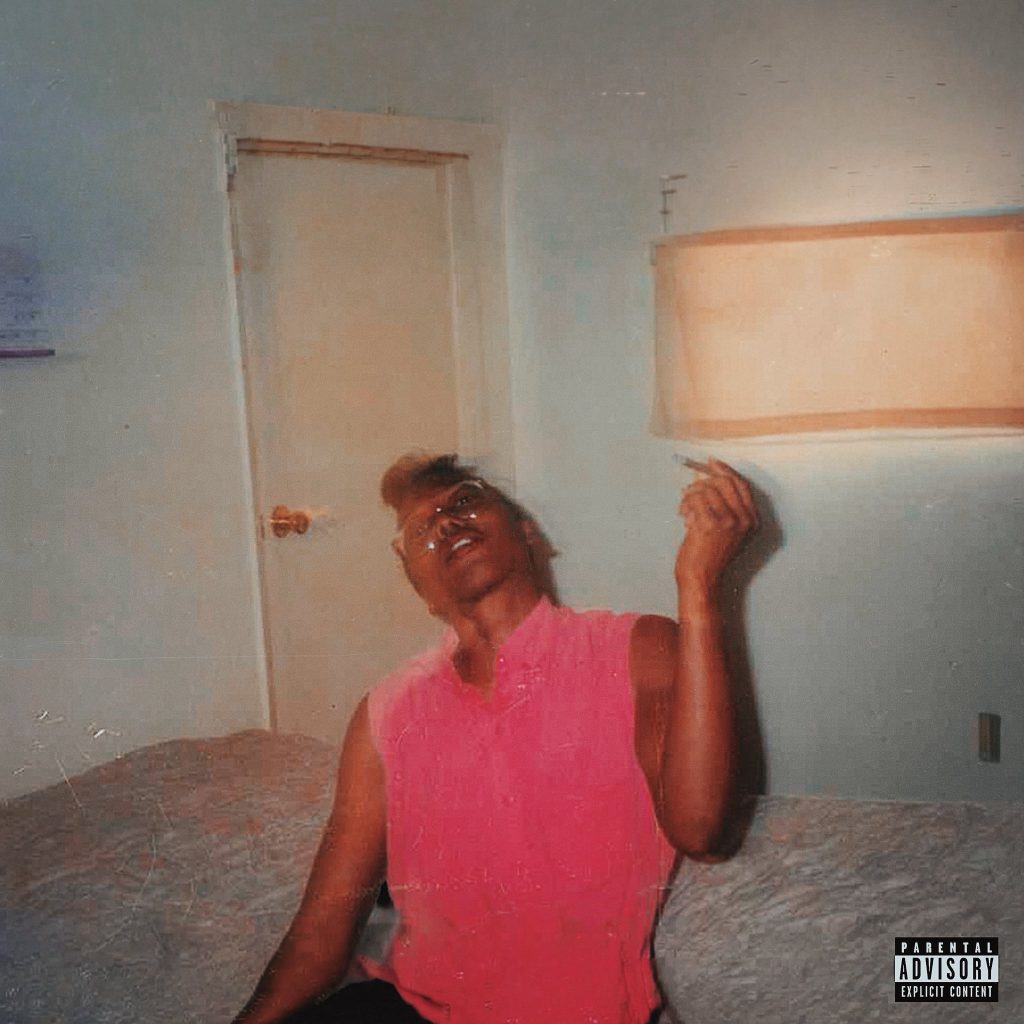
No Rest For the Wicked album cover | SUPPLIED
The album’s sequencing makes that range particularly effective. AZ Chike recently explained to Bootleg Kev that Kendrick Lamar approached the project with something resembling an A&R’s ear, offering advice about how the songs should live together rather than simply chasing individual moments. You can hear that thinking in the opening run. “Mercy” arrives with the urgency of someone introducing himself after the introduction has already happened. “Lamb Truck Keys” turns that urgency into swagger. “Skyrockets” looks back toward Los Angeles. “God’s Favorite” talks its shit. “Need Your Love” changes the temperature entirely before “Look Like My Mama,” featuring Tyler, the Creator, pushes the album somewhere stranger. It is an unusually efficient demonstration of what AZ Chike can do before the record even settles into itself.
What makes that versatility work is his voice. AZ Chike belongs to a distinctly Southern Californian lineage of rappers whose deliveries can sound simultaneously animated, threatening and slightly left-field, the kind of regional character associated with artists such as Drakeo the Ruler, 03 Greedo and Shoreline Mafia. But he isn’t simply reproducing that tradition. His Los Angeles accent gives the performances their own physicality, while his ability to change vocal texture keeps the production from dictating the mood. He can bark over a beat with the intensity of someone trying to break through the speakers, then pull everything back for a melody. On “Need Your Love,” he goes almost conversational. On “Wonder,” the restraint becomes part of the drama, with each verse gradually raising the emotional temperature.
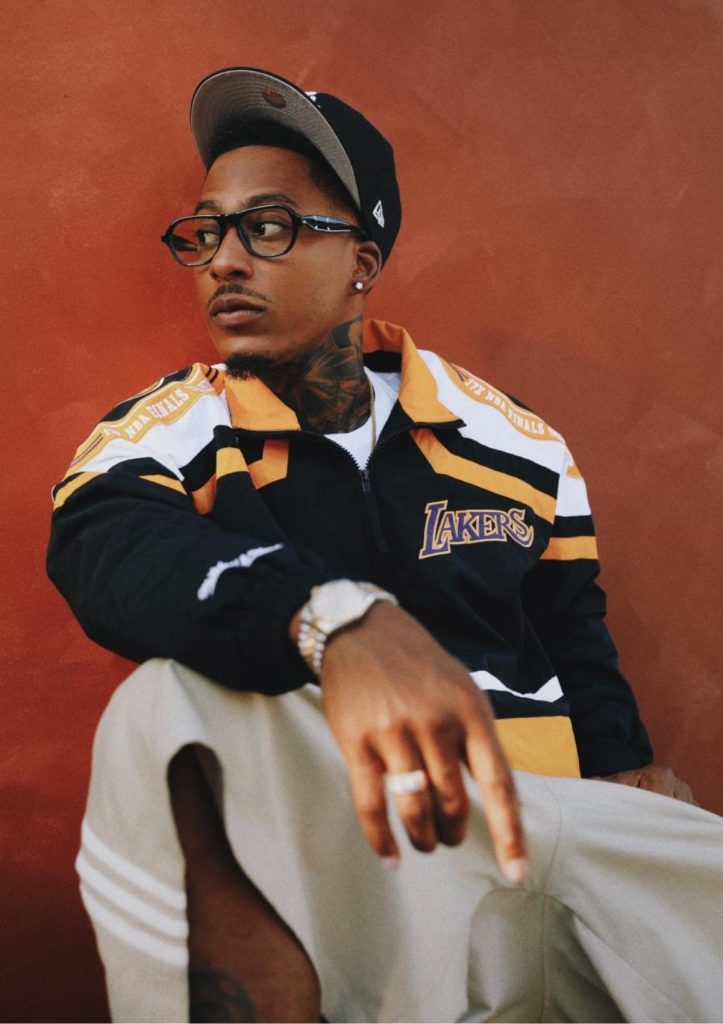
AZ Chike | SUPPLIED
That control is more important when No Rest For the Wicked gets personal. There is plenty of familiar rap mythology here, money, women, status, survival, but the album becomes considerably more interesting when AZ Chike stops performing invulnerability. “Rock Bottom” is the clearest example, pairing his heavier subject matter with a surprisingly smooth, uptempo Hit-Boy production. The contrast matters, the beat keeps moving even when the person inside the song is struggling to do the same. On “Wonder,” he questions whether his own reality has become distorted by everything happening around him, while “Rock Bottom” opens a much more painful family history. These are not throwaway confessions. They reveal an artist who understands that vulnerability works best when it is allowed to sit beside bravado rather than replace it.
His hooks are another reason the album has staying power. AZ Chike understands that an infectious chorus can be just as revealing as a technically impressive verse, and songs such as “Negative,” “God’s Favorite” and “Packed Up” demonstrate that instinct repeatedly. Even when the writing turns toward frustration, he knows how to make a phrase stick. On “Packed Up,” the line about people getting away with disrespect by calling it content briefly breaks through the album’s otherwise inward-facing worldview. It is a sharp observation in a record that spends much of its time dealing with AZ Chike’s own surroundings, ambitions and pressures rather than attempting to diagnose the culture around him.
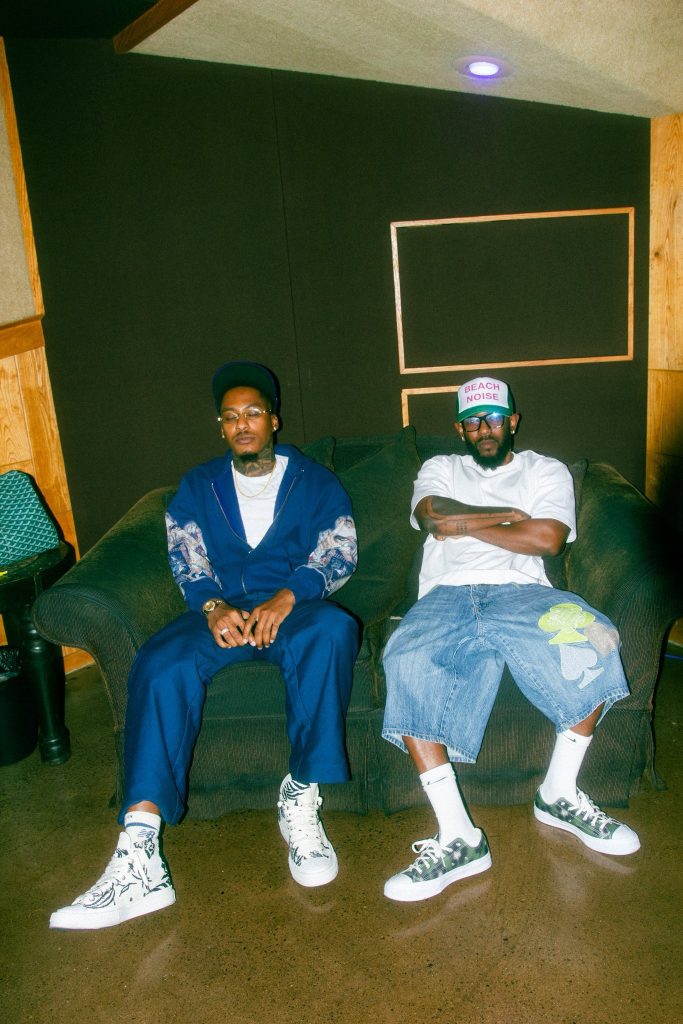
AZ Chike and Kendrick Lamar in studio | SUPPLIED
That inwardness ultimately becomes one of the album’s defining characteristics. The title No Rest For the Wicked suggests menace, movement and relentless ambition, but some of its strongest passages are quiet. AZ Chike is most compelling when the confidence starts to fracture and the person underneath becomes visible. On “Uncomfortable Conversations,” he directly acknowledges the pressure that followed his GNX appearance, “All the pressure from bein’ the best on GNX.” The line lands because the album exists in the shadow of that moment. Kendrick’s co-sign opened the door, but it also created expectations that could easily have swallowed a less assured artist. AZ Chike spends much of this record proving that the co-sign was an accelerant, not the source of the fire.
That distinction becomes crucial by the album’s end. There was inevitably going to be speculation about whether Kendrick Lamar would appear on No Rest For the Wicked, particularly after their public association and the album’s early leaks. He doesn’t. Instead, Kendrick and producer Sounwave appear to have contributed to the architecture rather than the spectacle, with AZ Chike describing their focus as being on the album as a complete body of work. And that is ultimately where the record has to stand. Kendrick can help open a door, offer sequencing advice and bring a wider audience into the room, but he cannot rap the album into existence for AZ Chike. No Rest For the Wicked works because AZ Chike sounds like someone who understands that the co-sign is only the beginning. The rest has to be earned song by song.


