


Established in the entertainment space as a curator of music for film and television in South Africa, singer-songwriter and record producer Phila Koshin stands at the cusp of a new era in his career. Venturing into the dance scene, Koshin released “Ngidakwe Uthando” alongside KwaZulu-Natal talent Keynote, expanding his portfolio while stretching the limitations of his musicianship.
Koshin spoke about stepping into the familiar ground of the dance side of music. He talked about the release of his latest single, “Ngidakwe Uthando,” and the events that led up to him putting out the song.
“I’ve been doing a lot of Afropop with a lot of other artists. When I went into dance music, there was a thing I had of being booked in certain spaces only. That kind of made me think I’m for the grown and sexy. So when I was about to release my new single, I was in two minds because I had this song as well as another dance song. My gut feeling ultimately told me to go with this one,” he said.

Phila Koshin | SUPPLIED
As with many songs, “Ngidakwe Uthando” went through a rigorous creation process, the conveyor belt of creativity sending the song to three different checkpoints before its final polish. Koshin shared the experience.
“The instrumental was the thing that came first with this song—it wasn’t a finished product but a skeleton. We wrote it when I went to Jo’burg in Slikour’s studio. We tried playing around. This song was actually meant for Zola Mhlongo, and so we tried working around it. After writing and writing the song, we didn’t feel that it landed properly. So we let the song park after finishing the chorus.
“We came back to the song months later. I started listening to more voices and more people’s music, and I chanced upon the music of a gentleman from Pietermaritzburg. I loved his writing and his flow. I gave him the song and tasked him with writing it, and he did so. When he came back to me, we reworked it, and then I took it back to the producer, and we added new things to it. So this song passed through three different studios before it came to be,” he said.
The singer-songwriter, who also spearheads music submissions for prominent Mzansi shows such as Uzalo and The Four of Us, talked about his plans as the year draws to a conclusion.
“The reception for the song on the radio has been massive. The song was once number 38 on the radio charts. I’m looking to do more collaborations as we head into the festive season. I know a lot of people will be putting out music, but it’s still my aim because having people in your songs brings more people your way as a result. So I have a lot of music I mean to drop and collabs to do,” he said.
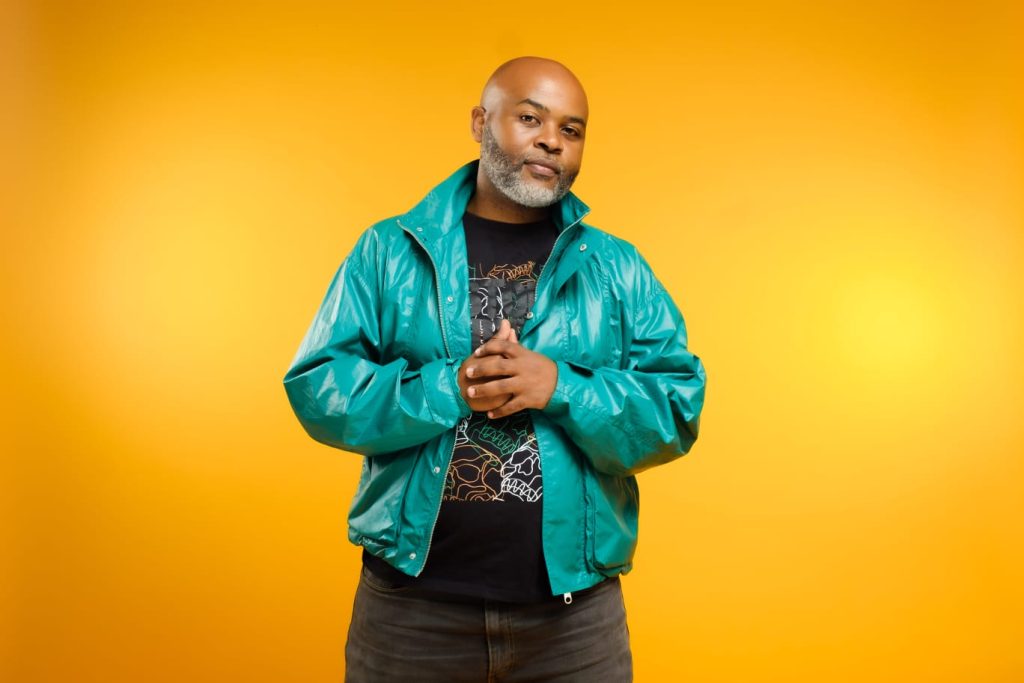
Phila Koshin | SUPPLIED
Phila reflected on his current position in music and the privilege of making music and being in control of his creations.
“I’m blessed because I’m doing something I’ve always wanted to do. It’s an honour. For me to have the liberty and my own studios to record all my creations is a blessing. There are a lot of people out there who would love to record, but they don’t have the resources and the know-how—they don’t even know how to have their song aired on the radio, on TV, or anywhere else, for that matter. With that said, there’s still more to come. There’s a saying I love using: As’kacedzi, which means we are not done yet, and it is a testament to the way I think and live. So yes, I know that I am blessed and the journey has been good. You’re only as good as your last song, and with that in mind I want to keep going,” he said.
Koshin offered his insight about the use of AI in music and its impact on creativity, as well as the hit songs coming and going fast.
“Much has changed in the industry. For one, there’s the introduction of AI—a beautiful and bad thing. Artists have become lazy because of it, and they tend to rely on it too much. They don’t use it to enhance their creativity; instead, they use it as a stem where everything flows out.
“Music has also changed in that there are a lot more songs now being recorded and released. If I had to speculate, I’d say it’s like 500 songs a day on average being dropped. Then there’s AI and backroom studios. There’s a lot of music being consumed and produced. A hit song has a shelf life of two weeks now because once that time has expired, another song drops. It’s no longer like the old days where you would have ‘Kulungile Baba’ as the year’s hit song. On top of that, the artists who are giving us all these hits are usually unknown artists who put nothing behind their songs, like budget and marketing, like how we used to do it before,” he said.

Phila Koshin | SUPPLIED
Koshin championed consistency and authenticity when it comes to making music.
“It’s important to keep creating while still looking at music as a business, not just a hobby or something to use to get famous. Even if you use AI, give people something from the heart, music that is original and authentic to you. It’s easy to hear when something is made with AI; you can even hear it in the voice and the feel of the song. You can’t miss Ringo Madlingozi’s voice because nobody can do it like him, and that makes us appreciate what he contributes even more as opposed to what we get from the things technology gives us,” he said.


