


There is a particular kind of pressure that greets an artist the moment they step outside the warmth of a collective. It is not the pressure of performance, that has always existed. It is the pressure of exposure. Of being read without the buffer of your brothers. Of having your voice examined in isolation, stripped of the shared momentum that once carried you.
LaCabra understands this pressure intimately. Known primarily as a founding member and core voice within the Qwellers, the outfit Apple Music notes “some would claim brought South African hip-hop back from the brink” he arrives on MR BULLY not as a man distancing himself from what he built, but as one expanding it. Released on 27 February 2026 through Qwelfontein Entertainment, the 14-track, 44-minute album is carefully assembled and purposeful, structured with the patience of someone who knows exactly what this moment requires.
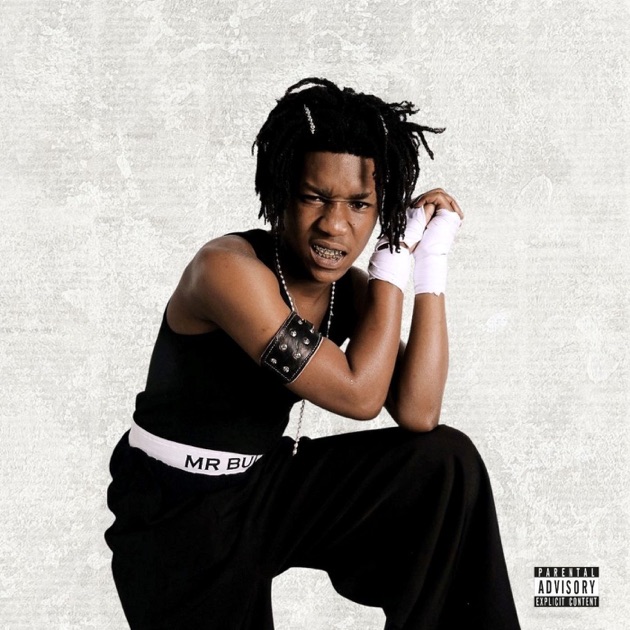
MR BULLY album cover | SUPPLIED
The name carries weight. LaCabra translates from Spanish as “The GOAT,” an acronym already loaded with aspiration. But MR BULLY is not about titles alone, it is about momentum. “The GOAT” signals belief: who you imagine yourself becoming. “The bully” signals force: the will required to actually get there. Together, they frame an album rooted in ambition and discipline, but also in the quiet awareness of what it costs to pursue both.
Before the Qwellers, before Johannesburg sharpened his instincts, there was Durban. LaCabra’s coastal origins are not incidental to his music, they shape its emotional architecture. KwaZulu-Natal’s sonic palette carries a different temperature from the hardened cool of Joburg rap. There is melody in it. A certain humidity. The city refined him and the collective amplified his voice, but those early textures never disappeared. They linger in the phrasing, in the melodic lean of his hooks, in the way vulnerability sits comfortably beside bravado.
The story of the Qwellers’ formation has already entered South African hip-hop folklore a meeting in Braamfontein, Johannesburg’s cultural nerve centre, a neighbourhood long known for incubating movements in music and art. From that meeting came records like “DANGEROUS” and “What’s the Qoh!”, songs that shook the local scene and restored a sense of communal urgency to Mzansi rap. But even within thriving collectives, individuality eventually demands articulation. MR BULLY feels like LaCabra’s full exhale, not a rejection of shared history, but a sharpening of personal voice.
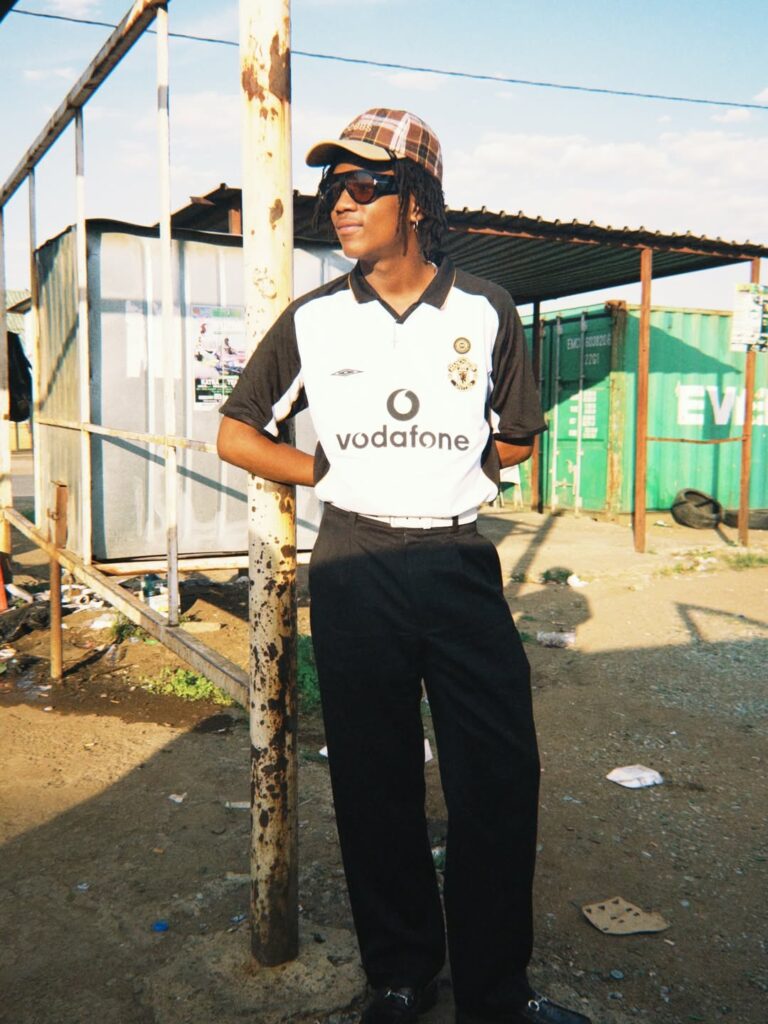
LaCabra | SUPPLIED
He describes his sound as African trap, a self-defined strain that situates itself consciously within a lineage of artists who broadened what trap could mean on this continent. He cites Sjava as a key influence, and the comparison is instructive. Sjava’s significance has always been emotional as much as sonic; he demonstrated that vulnerability, indigenous language, and melody could anchor mainstream success. That emotional literacy runs through MR BULLY in subtle but decisive ways.
The shadowed 808s, skeletal drum patterns, and minor-key melodies are not decorative choices, they form the architecture of a specific psychological atmosphere. The album feels nocturnal and self-aware, as though it lives in the quiet hours when ambition and doubt occupy the same space. LaCabra’s cadence is measured, his delivery deliberate. He does not overcrowd the beat. He inhabits it. The restraint signals confidence. There is no sense of overcompensation here, no frantic attempt to prove independence. Just control.
Even the collaborations reflect intentional positioning. Appearances from A-Reece and Nasty C carry real weight within contemporary South African hip-hop. A-Reece’s introspective complexity and refusal to dilute his artistic vision have earned him critical credibility, while Nasty C’s career embodies the bridge between South African specificity and global ambition. Their presence on MR BULLY does not feel like borrowed
validation, it feels like conversation. LaCabra situates himself among peers, not beneath them.
“Ballon d’Or” stands as the album’s clearest articulation of ambition. Named after football’s most prestigious individual honour, the track embodies a mindset that has internalised greatness rather than merely fantasised about it. The flex feels grounded, a recognition of distance travelled and sacrifices made. In contrast, “Shout Out to Me” and “5am in Swaziland” decelerate the tempo and soften the posture. These are the record’s introspective moments, particularly “5am in Swaziland,” which captures the texture of late-night self-confrontation with uncommon honesty. At that hour, performance fades.
What remains is thought.
Watch “Ballon d’Or”:
These quieter moments are essential. They prevent the album from collapsing into a one-dimensional celebration of dominance, confidence resonates more deeply when vulnerability is acknowledged. The sequencing reinforces this emotional arc: early tracks establish urgency and presence; later moments introduce space, reflection, and composure. By the time the album closes with “I’m Still the Same,” identity and
aspiration feel reconciled rather than at odds.
The final track’s inclusion of a sampled meditation from Alan Watts adds another layer of depth. Watts frequently explored the tension between becoming and being, the pursuit of future greatness versus the acceptance of present selfhood. Ending MR BULLY with this philosophical undercurrent reframes everything that came before. It is not merely a declaration of dominance; it becomes a meditation on aspiration itself. The young boy who once dreamed of greatness now confronts what that dream demands, and whether the self that arrives will still recognise the self that began the journey.
Threaded through the album’s ambition are tributes to family, friendship, and those lost along the way. These acknowledgements matter. In a record centred on becoming, they remind the listener that ascent is never entirely solitary, even when the spotlight is singular.
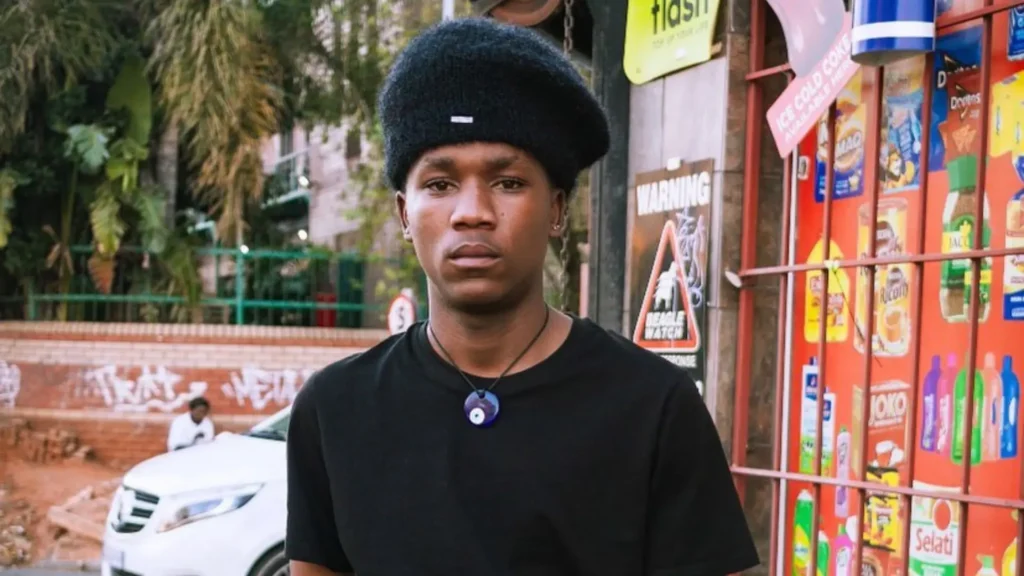
LaCabra | SUPPLIED
Within the broader landscape of South African hip-hop in 2026, a scene navigating global influence, algorithmic visibility, and ongoing questions of authenticity, MR BULLY feels timely. Collectives like the Qwellers have reasserted communal identity in a culture often dominated by individual stardom. Yet longevity requires individual clarity.
This album does not detach from the collective’s legacy; it extends it, demonstrating that shared origins and singular vision can coexist without tension. MR BULLY does not sound tentative. It carries the DNA of the Qwellers without being confined by it. It reflects the emotional influence of Sjava and the ambition associated with A-Reece and Nasty C yet remains distinctly LaCabra’s own. It opens with hunger and closes with philosophical contemplation, tracing the arc of a Durban-born, Johannesburg-forged artist negotiating the distance between who he was and who he intends to become.
That tension, between confidence and striving, between collective identity and individual articulation, what gives the album its resonance. It feels less like a debut and more like the moment an artist realises he has been preparing for this spotlight all along.
Words by Zimiso Nyamande


