


Anticipation is a debt. The longer an artist lets it accrue, the heavier the interest, and some albums, no matter how carefully built, collapse under what they owe. Mamello was teased long enough to carry that weight. It carries it without flinching. Mordecai’s most awaited project has landed, and the distance between the promise and the delivery is not a gap at all, it is a seamless thing, a rare alignment of expectation and truth. Every whisper that preceded this album finds its answer here. Every fragment that circulated, every moment held in suspension, all of it was pointing toward something real. It is one thing to tease. It is another to arrive.
What distinguishes the album most immediately is its architecture of patience. Mamello is not built for the first listen, it is built for the third, the fifth, the one you find yourself returning to without fully understanding why. The production breathes with warm log drums, soft melodic corridors, and grooves that expand rather than accelerate. Tracks like “Phakamani,” “Vuli’nhliziyo,” and the title cut establish a reflective interior without ever abandoning the dancefloor logic that gives amapiano its pulse. That equilibrium, introspection and movement held in the same hand, is genuinely rare. Most albums in the genre collapse toward one pole, either the repetition of formula or the chaos of overreach. Mordecai holds the centre with the composure of someone who knows exactly where he is standing.
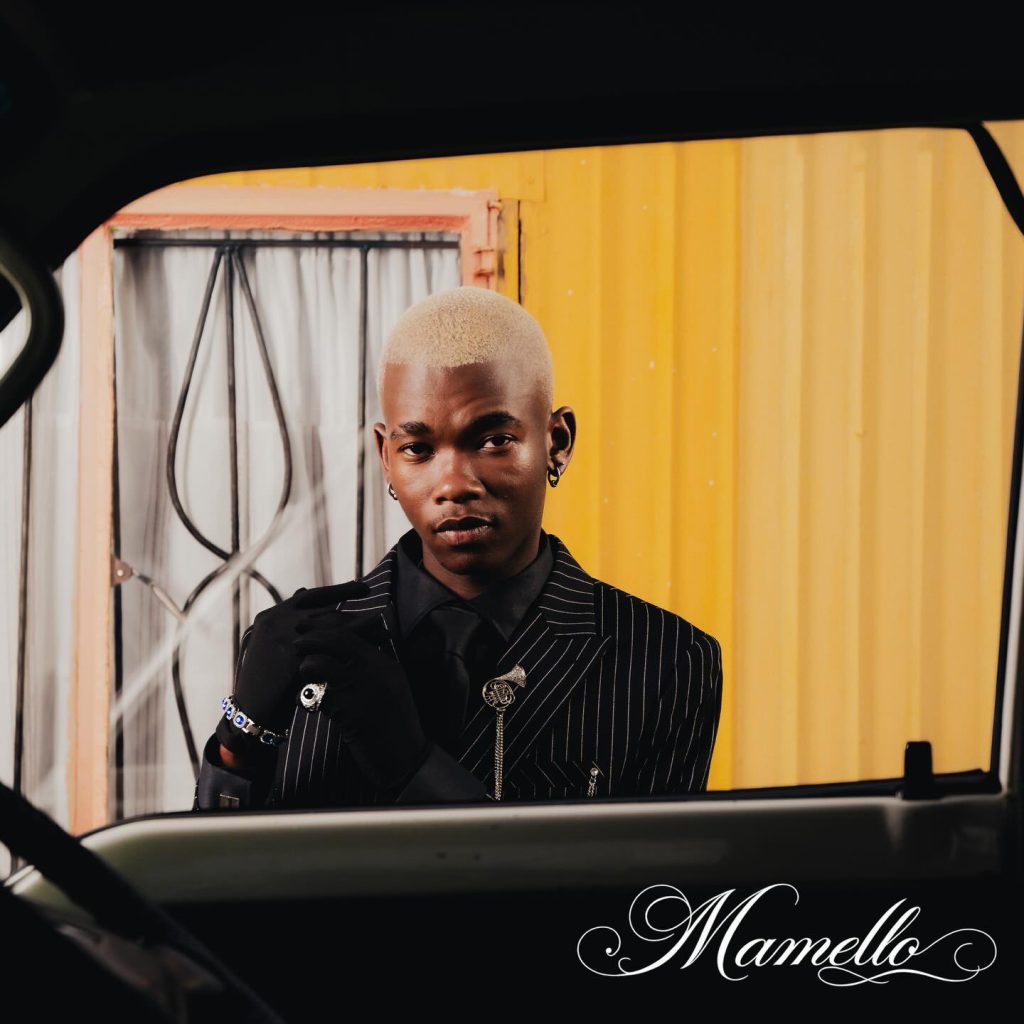
Mamello album cover | SUPPLIED
The collaborations, too, speak to a curatorial intelligence. Yumbs, Blue Pappi, JayJayy, and Rory Diamondz each bring something to the texture of the record without displacing its gravity. Features in amapiano can so easily become the story, a guest arrives, dominates, and the host becomes a footnote in his own home. Here, every voice enters Mordecai’s atmosphere and adjusts to it, rather than the other way around. That is an underrated kind of authority.
Running beneath the grooves is an emotional current that rewards close attention. “Mina Ngedwa,” “Marato Fela,” and “Uyakhumbula” move through registers of longing, memory, and self-reckoning, not through lyrical declaration, but through something more elusive, the way a chord sits in the air, the particular weight of a vocal arrangement, the feeling of a track knowing when to let go. The best amapiano has always understood that rhythm is only half the conversation. Mood is the other half. Mamello conducts both.

Mordecai | SUPPLIED
If the album invites any critique, it is that its very strengths occasionally work against it. The surface is so carefully tended, the cohesion so deliberate, that certain tracks recede into the fabric rather than stepping forward individually. A listener in search of a single, defining moment, one song that demands to be played again before the next begins, may find themselves reaching for something the album has consciously refused to give. But that refusal is not a flaw. It is a philosophical position. Mordecai is not here to manufacture a moment. He is here to build a world.
Mamello is the work of an artist thinking in years, not cycles. It does not perform urgency. It does not compete with the timeline. It simply exists, full, composed, and unhurried, in the quiet confidence of its own convictions. In an industry that rewards the loudest arrival, Mordecai has written an album that trusts the listener to find their way to it. That trust, much like the patience its title invokes, is its own form of ambition.


